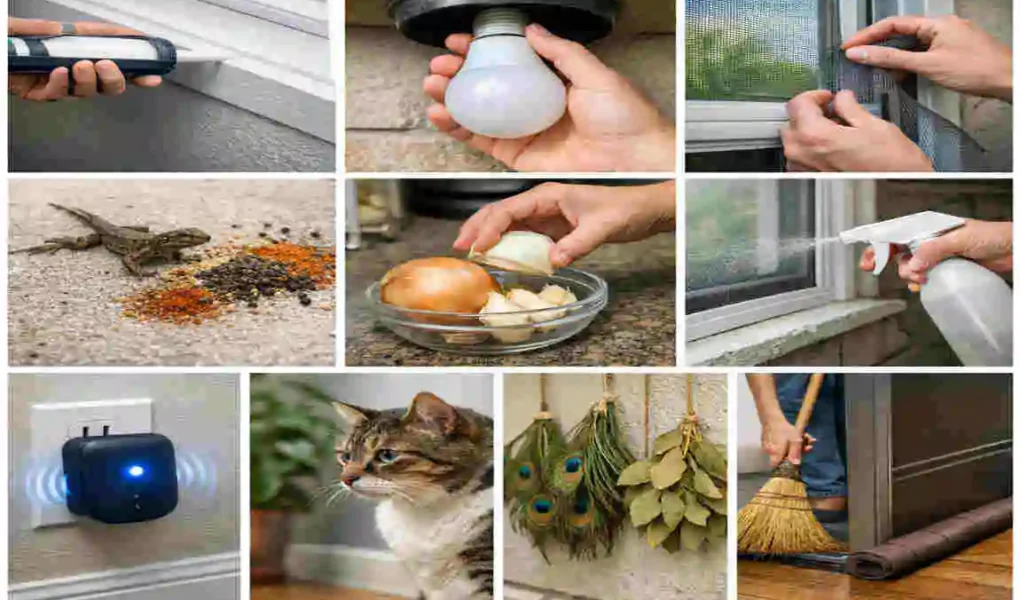
If you’re wondering how to keep lizards out of your house, you’re not alone. Many people deal with this problem, especially during warm, humid months, when lizards suddenly appear on walls, behind curtains, or near kitchen lights. One moment, your room feels clean and calm, and the next moment, a lizard darts across the wall and ruins the peace.
This is a common issue in many homes, especially in cities where heat, moisture, and insects create the perfect environment for lizards. In places like Lahore, Karachi, Rawalpindi, and other humid or semi-humid areas, the problem often worsens during the monsoon season. When the weather turns damp, insects increase. And when insects increase, lizards follow.
Lizards usually come inside for three simple reasons: food, water, and shelter. They are not entering your house to attack you. They are simply looking for an easy place to live. If your home gives them access to bugs, dark corners, wet spots, and tiny gaps to crawl through, they will keep coming back.
Still, that does not mean you have to accept them. Even if luxury house lizards are not always dangerous, most people do not want them around food, kitchen counters, bedrooms, or children’s spaces. Their droppings can create hygiene concerns. Their presence can trigger fear, stress, and discomfort. Some people may also react to the dust and waste they leave behind.
Why Lizards Love Your Home
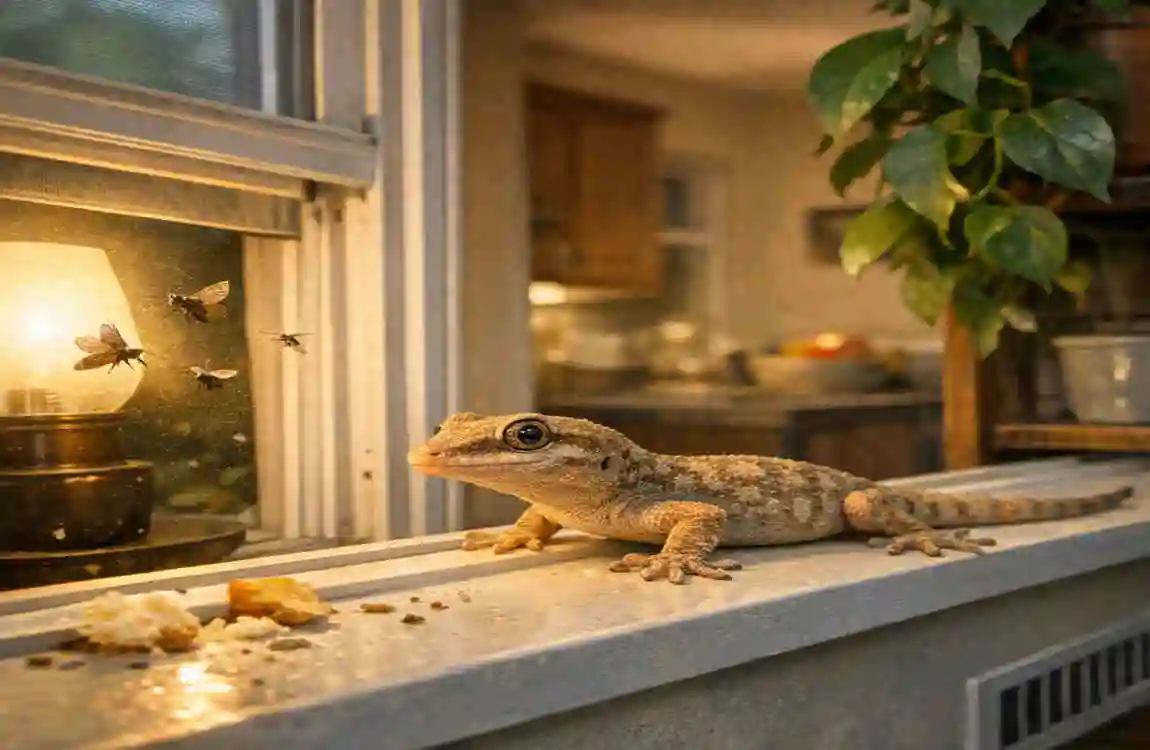
Before you can fully understand how to stop lizards from entering your house, it helps to know what attracts them in the first place. When you remove the things they want, your home becomes far less inviting.
Lizards are simple creatures. They go where Survival is easy. If your house offers food, moisture, warmth, and hiding places, they will choose it over the outdoors.
The Main Things That Attract Lizards
The biggest reason lizards enter houses is insects. Small bugs, flies, moths, ants, and mosquitoes act like a full buffet for them. If your lights attract insects at night, your walls can quickly become a feeding ground for lizards.
Another major reason is moisture. Wet corners, leaking pipes, damp bathrooms, and water near sinks create ideal conditions not just for lizards, but also for the bugs they eat.
Then there are entry points. Tiny cracks in walls, gaps under doors, open windows, uncovered vents, and broken screens make it easy for lizards to slip inside. You may think the opening is too small, but many lizards can squeeze through surprisingly narrow spaces.
Seasonal Factors Matter Too
In many Pakistani homes, lizard activity increases in summer and during the monsoon. Warm weather boosts insect activity. Rain creates moisture. Houses stay closed for longer periods in some areas, which can trap humidity indoors. All of this makes your home more attractive to lizards.
That is why some people feel like they cleaned the house properly, yet lizards still show up. The truth is, cleaning helps, but you also need to control the conditions in your home.
Quick-Scan Table: What Brings Lizards Inside?
Attractant: Why Lizards Enter. Quick Fix
Insects are the primary food source. Reduce nighttime lighting and control bugs.
Moisture Damp areas support insect life and comfort. Fix leaks promptly and keep surfaces dry.
Entry Points: Easy access through gaps and cracks. Seal cracks, install screens, and add door sweeps.
Clutter offers hiding spots. Declutter storage areas and corners
Warmth and Shelter: A safe resting place indoors. Reduce nesting spots and improve ventilation
Once you understand these attractants, it becomes much easier to apply the right solutions. Now let’s move into the most practical part of this guide: the top hacks that show you exactly how to stop lizards from entering your house.
Proven Hacks to Lizard-Proof Your House
Seal All Entry Points
If you want to learn how to stop lizards from entering your house, start with the most important step: block their way in.
Many homeowners focus only on repelling lizards after they appear. But the smarter approach is to make it hard for them to enter at all. Check around doors, windows, exhaust fans, wall corners, air vents, cable openings, and plumbing lines. These are the most common access points.
Use caulk or sealant for cracks in walls and window frames. Add weatherstripping under doors and around loose frames. Install door sweeps so there is no gap at the bottom. Use fine mesh screens on windows, vents, and kitchen openings.
This works because lizards usually choose the easiest route. If they cannot enter easily, they move on.
For Pakistani homes, this step matters even more because many houses have older wooden doors, open kitchen vents, or bathroom windows that are left uncovered. Even small structural gaps can become a regular lizard pathway.
How to do it:
- Inspect your house in daylight and again at night.
- Look for light coming in through door edges.
- Fill cracks and add mesh where needed.
- Recheck after heavy rain or seasonal changes.
Use Natural Repellent Sprays
If you prefer a simple home remedy, natural sprays can help keep lizards out without filling your home with harsh chemicals.
Lizards are sensitive to strong smells. That is why homemade mixtures using garlic, black pepper, or onion often work as natural lizard repellents. These ingredients do not usually kill lizards, but they can make treated areas less comfortable for them.
One easy spray uses crushed garlic and black pepper mixed with water. You can strain the liquid and pour it into a spray bottle. Apply it near windows, door corners, behind shelves, around drains, and near the kitchen sink. Some people also place fresh onion slices in problem areas.
The strong odor can discourage lizards from returning to those spaces. This method works best when you use it regularly, not just once.
How to do it:
- Crush 4–5 garlic cloves.
- Add 1 teaspoon of black pepper to water.
- Let it sit for a few hours.
- Strain and pour into a spray bottle.
- Spray near entry points once or twice a week.
Be careful when using this in homes with small children or pets. Avoid spraying directly onto food-preparation surfaces unless you clean them afterward.
Why it works: Lizards prefer calm, low-disturbance spaces. Strong smell barriers interfere with that comfort.
Plant Lizard-Repelling Herbs
If you want a more natural and decorative way to build a lizard-proof house, consider planting herbs and flowers that lizards tend to avoid.
Certain plants, such as lemongrass, basil, mint, and marigold, have strong scents that may help reduce insect activity and make surrounding areas less attractive to lizards. These are not magic plants, but they can support your wider prevention plan.
This hack works especially well if you live in a house with a front entrance, a backyard, a courtyard, or a balcony. Even apartment residents can use potted plants near windows and doors.
Lemongrass is a smart choice because it emits a fresh citrus scent and helps reduce mosquitoes. Basil is easy to maintain and useful in the kitchen, too. Marigolds add color while helping create a more pest-resistant edge around the home.
How to do it:
- Place potted basil or mint near kitchen windows.
- Keep lemongrass in balcony corners.
- Line outdoor entrances with marigolds if you have garden space.
- Trim regularly to keep plants healthy and effective.
For urban Pakistani homes, potted herbs are ideal because they require little space. You can place them on window ledges, stair landings, or balcony railings.
Eliminate Their Food Source
This is one of the most effective answers to how to stop lizards from entering your house: remove the bugs they eat.
Lizards do not stay where there is no food. If your home has mosquitoes, moths, flies, ants, or tiny crawling insects, lizards will see it as a hunting ground. So if you truly want to prevent lizards in home spaces, you must also reduce insect activity.
Start by cleaning crumbs, food spills, and sticky surfaces. Store food in sealed containers. Empty bins regularly. Do not leave dirty dishes overnight. In kitchens, focus on corners behind appliances, under the sink, and near drains.
You can also use sticky insect traps, neem oil solutions, and covered waste bins. Keep your outdoor garbage area clean, too, because pests often start there and then move indoors.
At night, bugs gather near bright white lights. That brings lizards to those walls and windows. Food-source control and lighting control should work together.
Simple actions that help a lot:
- Sweep and wipe kitchen floors daily
- Cover fruits and leftovers
- Use mesh covers on food
- Fix sugar spills and crumbs quickly
- Keep drains clean and dry
Why it works: No insects means fewer reasons for lizards to visit.
For Pakistani homes, this is especially useful in summer when fruit flies, mosquitoes, and moths become more active.
install Physical Barriers
Repellents can help, but barriers give you more reliable control. If you are serious about stopping lizards from entering your house, physical protection matters.
Add fine netting to vents, exhaust openings, and windows. Use door brushes or rubber strips under doors. Cover drainage openings when not in use. If there are open utility spaces or pipe gaps, wrap and seal them properly.
Some homeowners also use copper tape along edges or corners where lizards tend to pass. While results may vary, many people find that certain textured or metallic surfaces make movement less comfortable for small crawling pests and reptiles.
The main benefit of physical barriers is consistency. Unlike sprays, they do not fade away after a few days. Once installed properly, they keep working.
This method is especially good for homes with repeated lizard traffic in the same spots, such as:
- kitchen window edges
- bathroom exhaust fans
- staircase vents
- balcony doors
- storeroom gaps
How to do it well:
- Identify the exact route lizards use.
- Add mesh, tape, or door sealing material.
- Test the area at night.
- Upgrade weak points if you still notice activity.
Keep Your House Dry
Moisture attracts insects, and insects attract lizards. That is why a dry home is less inviting.
If you are still asking how to stop lizards from entering your house, take a close look at damp areas. Bathrooms, kitchens, laundry corners, water tanks, and under-sink cabinets are all common trouble zones.
Fix dripping taps and leaking pipes as soon as you notice them. Wipe up water from floors instead of letting it dry on its own. Improve airflow in bathrooms. Open windows when possible, or use exhaust fans to reduce humidity.
If a room feels stuffy and damp, that space may already be supporting insect growth. In very humid places, a dehumidifier can help, especially in storage areas or closed rooms.
This works because lizards prefer spaces where prey is easy to find and where conditions are comfortable. Damp areas provide both.
For homes in monsoon-prone cities, staying dry is one of the best long-term habits you can build.
Quick steps:
- Repair leaks fast
- Dry bathroom floors after use
- Avoid standing water in buckets or trays
- Ventilate kitchens and washrooms
- Keep sink cabinets clean and dry
Try DIY Eggshell Barriers
Eggshells are among the most widely discussed home remedies for preventing lizards. While they are not a perfect standalone fix, many homeowners use them as part of a natural strategy to keep lizards out.
The idea is simple. Crushed eggshells create an uneven, dry, and uncomfortable surface near entry points. Some people also believe the smell or unfamiliar texture discourages lizards. Whether the effect comes from texture, smell, or simple disturbance, it can still be worth trying in low-traffic problem areas.
Use cleaned and dried eggshells. Crush them into coarse pieces or powder and place them near door corners, window edges, balcony thresholds, and behind kitchen appliances.
Do not scatter them randomly in places where people walk barefoot or where children play. Keep them targeted and tidy.
How to use eggshells properly:
- Wash the shells after use.
- Let them dry fully.
- Crush them lightly.
- Place them in a thin line near specific entry zones.
- Replace them every few days.
This is a low-cost trick, so it works well if you want to test natural deterrents before buying extra products.
Why it helps: It may make crawling paths less attractive and less comfortable.
Use Strategic Lighting Control
Lighting plays a much bigger role than most people realize. If you are learning how to keep lizards out of your house, you need to think about what your lights attract first: insects.
Bright white lights, especially near open windows or doors, attract moths, mosquitoes, and other flying bugs. Once insects gather, lizards come to feed. That is why many people notice lizards near tube lights, balcony lamps, and kitchen bulbs.
A simple fix is to switch to warmer or yellow LED lights in outside areas and near entrances. These lights tend to attract fewer insects than bright cool-white bulbs.
You should also avoid keeping unnecessary lights on at night, especially outdoor wall lights near windows. Curtains can help too, because they reduce visibility and insect movement around indoor lighting.
What you can do tonight:
- Replace bright white outdoor bulbs with warm yellow LEDs
- Turn off balcony and porch lights when not needed
- Close curtains near bright indoor lights
- Keep windows screened if the lights stay on
For Pakistani homes, this hack works very well in summer, when insects become a constant nighttime issue.
Create a Pebble Perimeter Outside
Outdoor prevention is often ignored, but it matters a lot. If the area around your house makes movement easy for lizards, they are more likely to reach your walls, windows, and doors.
A pebble or gravel perimeter can help by creating a rough, dry border around the base of the house. Lizards generally prefer smoother, sheltered routes with plants, debris, or damp soil. A gravel strip reduces comfort and removes some of the hiding places they use before entering.
This method is especially helpful for ground-floor homes, garden-facing entrances, and houses with side passages.
You do not need a large landscaping project. Even a narrow strip of coarse gravel around vulnerable edges can improve your home’s defenses.
Best places for pebbles:
- near foundation walls
- below windows
- alongside passages
- around outdoor water pipes
- near garden-to-house transition points
This also helps with drainage, which is another plus in rainy weather.
For Pakistani homes with courtyards or outdoor washing areas, pebbles can reduce mud, moisture, and lizard-friendly shelter all at once.
Use Ultrasonic Repellers
Ultrasonic repellers are plug-in devices that emit high-frequency sound waves. These sounds are usually inaudible to humans, and some homeowners use them to deter pests from settling indoors.
If you want another modern option for keeping lizards out of your house, these devices are worth testing, especially in combination with other methods. They are easy to use, non-toxic, and do not leave smells or residue.
Results can vary depending on the room size, wall layout, and the specific device. That means you should not rely on them alone. But in enclosed spaces like kitchens, storerooms, and utility rooms, they can serve as an extra layer of defense.
How to use them well:
- Place them in rooms where lizards often appear.
- Keep the area free of too much furniture that blocks the signal.
- Use one device per recommended room size.
- Combine with sealing and cleaning for better results.
The biggest advantage is convenience. Once plugged in, they work continuously without much effort.
Pro tip: Test them in problem areas first before buying many at once. Use them as part of a system, not a single solution.
Advanced Prevention Tips
Once you apply the 10 main hacks, you can make your results even stronger with a few extra habits. If your goal is to permanently understand how to stop lizards from entering your house, consistency is what makes the difference.
A one-time cleaning session may temporarily reduce the problem. But a routine keeps your home truly less attractive over the long term.
Build a Weekly Prevention Routine
Walk around your house once a week and inspect common problem zones. Check the bottom of doors, bathroom vents, kitchen windows, balcony corners, and outdoor drains. If you find a new crack or loose screen, fix it quickly before it becomes a regular entry path.
Keep storage areas organized. Lizards love dark, quiet corners where nobody disturbs them. Old newspapers, cardboard boxes, unused buckets, and clutter behind furniture make great hiding places.
If you have pets, choose methods that are safe for them. Mesh screens, door sweeps, dry surfaces, and insect control are usually pet-friendly. If you use sprays, always apply them carefully and keep pets away until surfaces dry.
Smart Checklist for Better Results
Use this simple checklist to improve your success rate:
- Do weekly perimeter checks
- Combine at least 3 hacks at the same time
- Monitor your home more closely during monsoon season
- Keep kitchen and bathroom areas dry
- Reduce insect activity before focusing only on lizards
- Check roofs, vents, and balconies, not just rooms inside
When should you call a professional? If you have recurring infestations despite sealing entry points and reducing insect populations, there may be a hidden structural issue or a larger pest problem supporting lizard activity. In that case, a home inspection can save time and frustration.
The main lesson is simple: a lizard-proof house does not come from one trick. It comes from several small actions working together.
Common Mistakes to Avoid
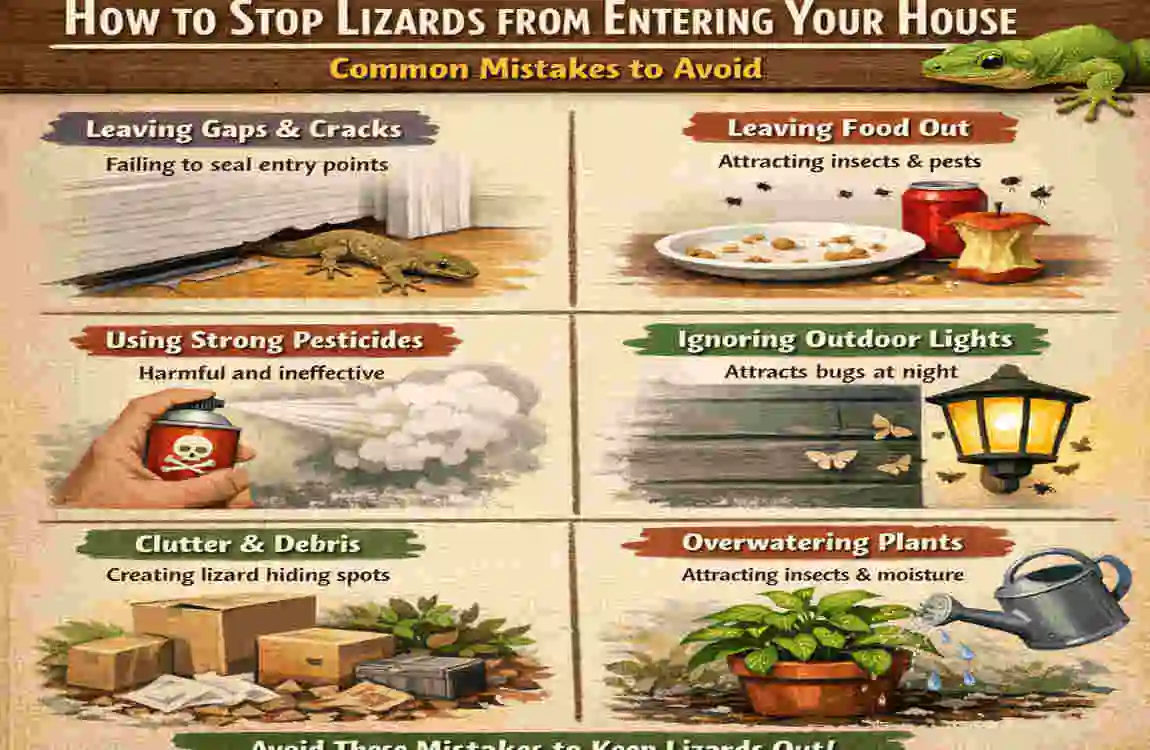
Even when people know how to keep lizards out of their house, they often make a few mistakes that keep the problem going.
Avoid These Common Errors
- Ignoring the roof or upper vents: Many lizards enter from high openings, not just door gaps.
- Using harsh chemicals indoors: Strong chemicals can create health risks for children, pets, and food areas.
- Relying on one hack only: A single spray or one plant will not solve a bigger access problem.
- Leaving insect issues untreated: If bugs remain, lizards will keep returning.
- Forgetting outdoor spaces: Gardens, balconies, drains, and side walls often matter just as much as indoor rooms.
- Believing every myth: For example, peacock feathers are often mentioned, but they do not work reliably for most homes.
The best approach is practical, layered, and consistent. Think like this: seal, clean, dry, block, repeat.
FAQs About Keeping Lizards Out
Are lizards harmful in the house?
Most common house lizards are not highly dangerous, but that does not mean you want them around. They can leave droppings, create hygiene concerns near food, and make many people feel uncomfortable or anxious.
Do mothballs work against lizards?
Some people use mothballs, but they are not always the best choice for indoor family spaces. They can release strong chemicals and are not ideal in the presence of children, pets, food, or in poorly ventilated rooms. Safer natural methods are often better.
What is the fastest way to reduce lizards indoors?
The fastest way is to do three things at once: seal entry points, reduce insect infestations, and dry wet areas. This removes access to both food and comfort.
Can I completely keep lizards out of my house?
In many homes, yes, you can reduce the problem dramatically and sometimes almost completely. The key is not one single trick. It combines several methods and keeps them in place.