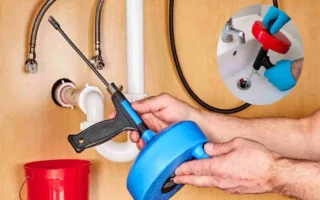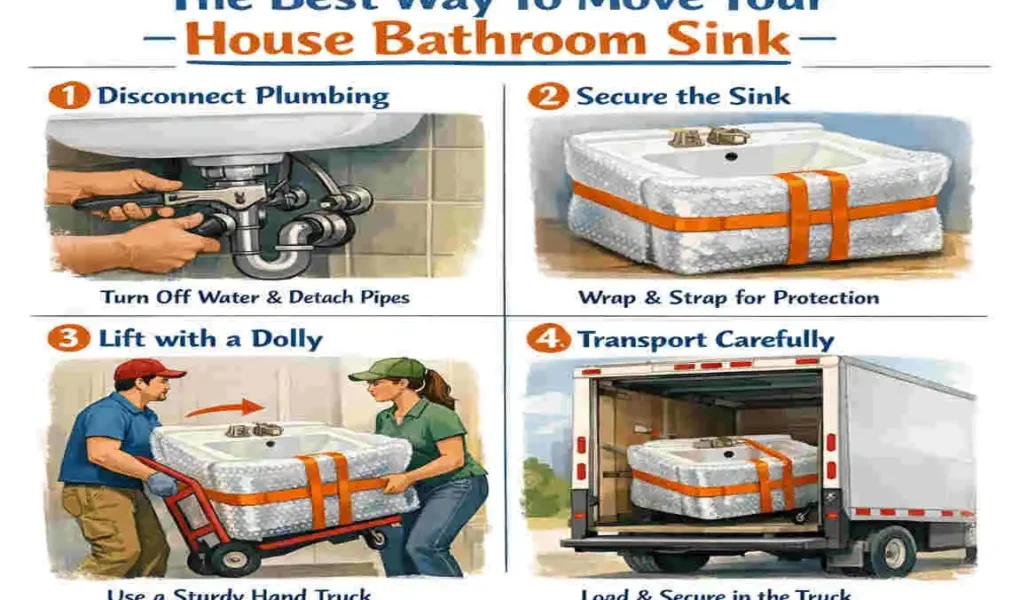
how to move bathroom sink plumbing
BATHROOM Plumbing

Ultimate DIY Guide: How to Move Bathroom Sink Plumbing Like a House Pro

If your bathroom feels tight, awkward, or outdated, moving the sink can make a huge difference. Sometimes, just a few inches of movement can open up better walking space, improve the look of the room, or help a new vanity fit properly. The good news is that you do not always need to call a plumber for this kind of job.

With the right planning, the right tools, and a careful step-by-step approach, you can learn how to move bathroom sink plumbing in a way that feels manageable and practical. For small changes, this is often a very realistic DIY project. For bigger moves, it becomes more advanced, but it is still possible for a handy homeowner who is willing to work patiently and follow the rules.

Step no. Step description What to pay attention to Tools / materials needed
1 Plan the new sink location Check distance from main drain, wall‑studs, and vent line; keep drain slope at least ¼” per 4 ft. Tape measure, pencil, level, plumbing‑code guide
2 Turn off water & test drainage Shut off shutoff valves under the sink; confirm existing drain line is clear. Adjustable wrench, bucket, flashlight
3 Remove old sink & expose plumbing Detach faucet, drain, and disconnect P‑trap and trap arm. Basin wrench, pliers, slip‑joint wrench, bucket
4 Choose routing path (small vs big move) For 1–4″ moves, usually adjust P‑trap and trap arm; for larger moves, reroute pipe through wall or studs. Hacksaw (PVC), PVC cutter, stud‑finder, drill
5 Cut and reroute drain pipe Cut PVC trap arm at a clean joint; add straight sections and elbows to reach new sink location. PVC pipe & fittings, PVC primer & cement, pipe cutter
6 Adjust hot/cold supply lines Extend or re‑route copper/Pex supply with new shut‑off valves near new sink. Pipe cutter, tubing bender, Pex crimp/cinch tools, shark‑bite fittings
7 Re‑assemble drain under new vanity Install tailpiece, P‑trap, and trap arm; keep joints snug but not over‑tightened. P‑trap kit, slip nuts, washers, adjustable wrench
8 Test for leaks & drainage Run water, watch for drips at joints, and ensure smooth flow (no gurgling). Rags, paper towels, helper to watch for leaks
9 Secure and insulate plumbing Strap pipes inside wall, add insulation if in cold space, then patch drywall. Pipe straps, insulation, drywall patch, joint compound
10 Final touch‑ups & code check Caulk around sink, re‑hang vanity, and verify your layout meets local plumbing code. Silicone caulk, caulk gun, building‑code checklist

Why Move Bathroom Sink Plumbing?

how to move bathroom sink plumbing

There are plenty of reasons to move a bathroom sink. Some are practical, and some are about style. Either way, the goal is usually the same: make the bathroom work better for you.

Create More Room in a Small Bathroom

Small bathrooms can feel cramped very quickly. If the sink is in the wrong place, it can block the door, crowd the toilet, or make the vanity feel too narrow. Moving the sink even a little can improve the entire flow of the room.

For example, you may want to shift the sink closer to one wall so you can install a larger cabinet or a wider mirror. Or maybe you want to center the sink better in a vanity so the whole bathroom feels balanced. Tiny changes often make a surprisingly big difference.

Update an Old Layout

Older bathrooms were often built with layouts that do not match how people use their spaces today. A sink may sit too low, too far into the room, or in a spot that makes the room feel dated. When you remodel, repositioning the sink is a smart way to update the bathroom.

This is especially useful if you are replacing a pedestal sink with a vanity, or switching to a vessel sink, or upgrading to a more modern style. A plumbing adjustment can help ensure the new fixture fits properly and looks polished.

Improve Home Value and Function

Bathroom updates matter to buyers. Even if you are not planning to sell soon, a clean and well-planned bathroom adds comfort now and value later. A better sink location can make the room feel more spacious and more finished.

Many homeowners also like the idea of controlling the project themselves. If you can handle moving the bathroom sink plumbing safely and carefully, you may save a large amount of money compared to paying someone else to do the same work.

Know What Kind of Move You Need

Not every sink move is the same. Some projects are very small, like shifting the drain a couple of inches. Others require cutting pipe, opening walls, or rerouting supply lines.

In simple terms:

  • Small move: Usually under 4 inches
  • Moderate move: Around 4 to 12 inches
  • Large move: May require wall or floor work

The more you move the sink, the more the plumbing, venting, and structure matter. That is why planning comes first.

Tools and Materials You Will Need

Before you touch a pipe, gather everything you may need. That way, you do not stop halfway through the project because one small part is missing.

Main Tools and Supplies

CategoryEssentialsOptional / Pro Tips

Cutting PVC hacksaw, tubing cutter Pipe freeze kit

Joining Slip nuts, PVC cement, P-trap kit Flexible extensions

Wrenches Adjustable wrench, channel-lock pliers Basin wrench

Safety / Access Gloves, flashlight, bucket Drywall saw, reciprocating saw

Pipes 1-1/4″ PVC drain pipe, elbows Supply line extensions

You may also need:

  • Measuring tape
  • Pencil or marker
  • Bucket or small pan
  • Old towels
  • Safety glasses
  • Plumber’s putty
  • Silicone caulk
  • Pipe primer and solvent cement if you are using PVC

Match the Pipe Type

This part matters more than many beginners realize. You want to match the materials already in place. If your v uses PVC, stay with PVC parts. If it uses metal, do not randomly switch without checking compatibility.

Using the wrong parts can lead to leaks, weak joints, or connection problems. A good rule is to inspect the existing setup first and buy pieces that closely match it.

Budget for the Project

For a simple DIY sink move, the materials may cost around $50 to $150. If you need more parts, extra pipe, better tools, or supply line extensions, the cost can rise. Even then, DIY is usually far cheaper than hiring a plumber.

If you already own some basic tools, your total can be even lower. That is one reason this project is so appealing to homeowners who like practical upgrades.

Preparation Steps Before You Start

Good preparation is what keeps a plumbing job from turning into a mess. If you rush this stage, you may create leaks, damage, or extra work later.

Inspect the Current Setup

Start by looking closely under the sink. Check how the drain connects, where the P-trap sits, and how much room you have to work with. Also look for shut-off valves, supply lines, and any signs of corrosion or past leaks.

Ask yourself these questions:

  • How far do I want to move the sink?
  • Is this a small shift or a full relocation?
  • Do I have wall access or only cabinet access?
  • Is the drain going into the wall or the floor?

These answers will help you decide whether the job stays simple or becomes more involved.

Measure the New Location

Do not guess. Measure the new sink position carefully. Use the vanity, wall lines, and fixture center points as your guide. If the sink is going into a new cabinet, make sure the basin, faucet, and drain all have enough clearance.

For a sink move, even one inch can affect alignment. The goal is to know the exact new location before you cut or disconnect anything.

Shut Off the Water and Drain the Lines

Turn off the hot and cold water supply valves under the sink. Then open the faucet to release pressure and drain any remaining water in the lines. Place a bucket under the drain area before disconnecting anything, because some water will likely spill out.

This step sounds simple, but skipping it can lead to a wet floor in a hurry. A few towels nearby are always a smart idea.

Clear the Area and Protect the Floor

Take everything out from under the vanity. If possible, remove drawers too. Protect the floor with a drop cloth or towels. You want room to move and to avoid damage from pipe cuts, water drips, or dropped tools.

If you plan to cut drywall or open a wall, cover nearby surfaces first. Dust spreads quickly, and cleanup takes longer than people expect.

Check the Code and the Structure

This is an important step. Drain slope, venting, and pipe placement all matter. A common rule is a 1/4-inch slope per foot on drain lines, but local codes can vary. Some moves also need permits, especially if you open walls or change the plumbing route.

If your bathroom sink drain goes through a floor, be aware that joists and framing can make relocation more difficult. You should never cut structural parts without understanding what they do.

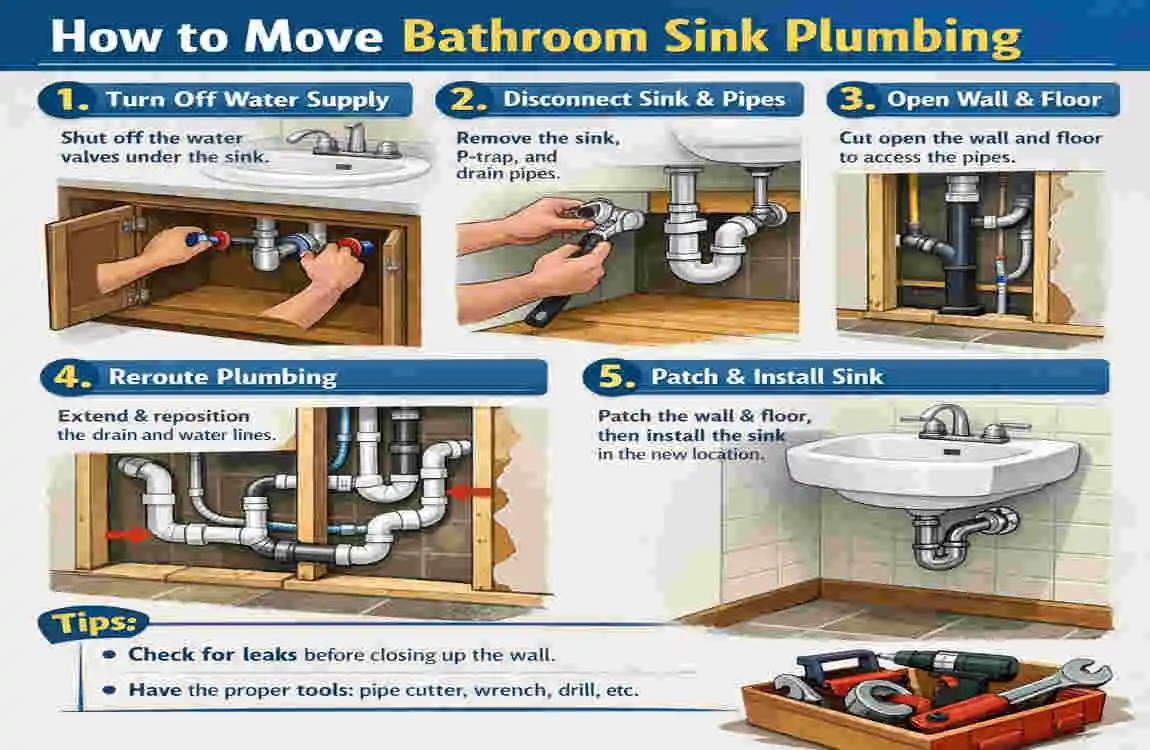
How to Move Bathroom Sink Plumbing Step by Step

how to move bathroom sink plumbing

Now we get to the main part of the job. The exact method depends on how far you are moving the sink.

Minor Adjustment: Moving the Sink Under 4 Inches

A small move is often the easiest and most beginner-friendly. In many cases, you can do this without cutting into walls or changing the whole drain path.

 Disconnect the P-Trap

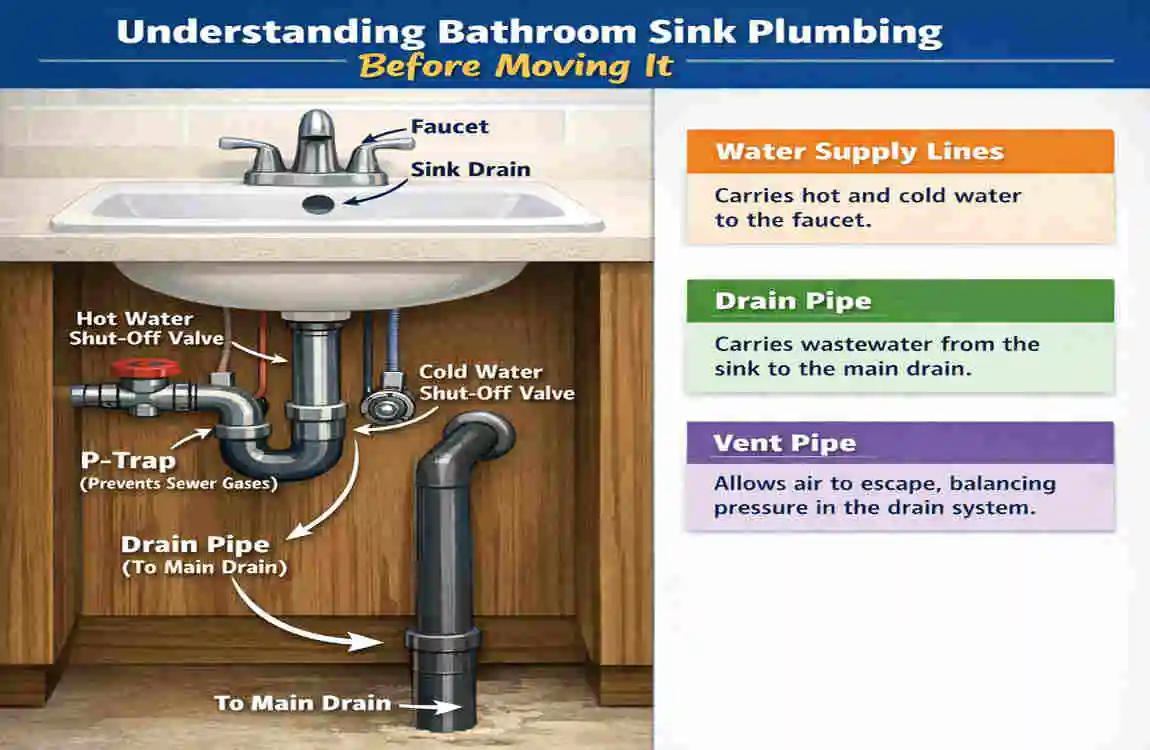
The P-trap is the curved pipe under the sink that holds water and blocks sewer gases. Place a bucket underneath it, then loosen the slip nuts by hand or with channel-lock pliers. Once the nuts are loose, remove the trap carefully.

Be gentle here. Plastic parts can crack if you force them. If the trap is old and brittle, consider replacing it instead of reusing it.

Adjust the Tailpiece

The tailpiece is the straight pipe that comes down from the sink drain. If your new sink position only shifts slightly, you may be able to use a flexible extension or a slightly longer tailpiece to meet the new drain line.

This is often the easiest way to handle a small relocation. You are not rebuilding the whole system; you are simply giving the pipe a little extra reach.

Realign the Drain Arm

Once the trap is removed, you can rework the drain arm so it lines up with the new location. Dry-fit the parts first before tightening anything. Make sure the pipe angle still allows proper water flow.

Do not overtighten the slip nuts. Hand-tight plus a small extra turn is often enough. If you crank too hard, you may damage threads or crack plastic fittings.

Test the Fit Before Final Tightening

Before you call the job done, make sure the sink, drain, and trap all line up cleanly. The goal is smooth alignment without strain on the pipes. If the parts are pulling against one another, loosen them and adjust again.

This is the moment to slow down. Small adjustments are easier now than after everything is sealed and closed up.

Moderate Reroute: Moving the Sink 4 to 12 Inches

A moderate move is more involved. You may need to cut pipe, add elbows, and reroute the drain path. This is still possible as a DIY project, but it requires patience and careful measuring.

Mark the New Path

Use a marker to show where the drain must go. Then measure the distance between the old and new lines. Think about the entire path, not just the start and end points.

Your goal is to create a route that maintains the correct slope while still fitting within the available cabinet or wall space.

Cut the Existing Drain Pipe

If the drain must shift farther than a simple adjustment allows, you may need to cut the pipe. Mark the cut location clearly and use a PVC hacksaw or tubing cutter for a clean cut.

A clean cut matters because rough edges can weaken the joint or prevent a proper seal. After cutting, smooth the edges if needed so the new parts fit correctly.

Dry-Fit the New Layout

Before using glue or cement, connect all the parts loosely first. Use elbows, couplings, and extension pieces to create the new route. This is called dry fitting.

Dry fitting lets you check alignment and slope without making the change permanent. If something is off, you can easily correct it before final assembly.

Keep the Slope Correct

Drain pipes must slope slightly so water moves in the right direction. If the line is too flat, water can pool in the pipe, causing clogs. If it slopes too steeply, solids may not travel properly.

This is one of the biggest parts of learning how to move bathroom sink plumbing correctly. The plumbing should work with gravity, not against it.

Cement the PVC Joints

If you are working with PVC, use primer and solvent cement on the joints after dry-fitting. Follow the product instructions carefully. Once the cement is applied, the connection sets fairly quickly, so you need to be ready.

Push the pieces together firmly and hold them in place for a few seconds. Then let the joints cure fully before running water through the system. A 24-hour cure period is often the safest choice, especially if the instructions recommend it.

Reroute the Supply Lines

The drain is only one part of the job. You also need to make sure the hot and cold supply lines reach the new faucet location. In some cases, flexible supply line extensions make this much easier.

If you are not comfortable soldering copper, push-to-connect fittings can be a simpler option. Just make sure the fittings are approved for your setup and installed correctly.

Recheck the Fit

After everything is assembled, check that the sink sits where you want it and that the plumbing is not under pressure. If any pipe is forced into place, it is worth adjusting now rather than dealing with a leak later.

A calm, careful check at this stage can save you a lot of trouble.

Advanced Move: Wall or Floor Relocation

If you need to move the sink significantly, or if the drain and supply lines must move to a completely different wall section, the project becomes much larger. At this point, you may need to open the wall or access the floor framing.

Open the Wall Carefully

Use a drywall saw to create a neat opening near the existing plumbing path. Cut only as much as you need and avoid wires, pipes, or other hidden elements.

This stage can feel intimidating, but controlled cuts are better than random holes. Make sure you know where the studs are and what is behind the wall before you cut.

Extend the Drain and Water Lines

Now you can run new plumbing branches from the main lines to the new sink location. This may involve new pipe sections, elbows, and supports. Each line should be secured properly so it does not move or sag over time.

If the sink is being repositioned in a way that affects the wall structure, install blocking where needed. Blocking gives the sink or vanity extra support and helps keep everything stable.

Avoid Electrical Hazards

Always check for electrical wiring before cutting or drilling. Bathrooms often have outlets, lighting circuits, and hidden wires in the wall. If you are unsure about what is behind the surface, stop and inspect more carefully.

Water and electricity do not belong in the same job site. If you find anything unclear, it may be wise to call a professional for that part.

Secure the Pipes

Use proper clamps or supports to keep pipes in place. A pipe that rattles or hangs loose will eventually cause problems. Good support also helps maintain the right slope and alignment.

This is one of those details that separates a tidy job from a frustrating one.

Step 5: Patch the Wall Later

Once the plumbing is done and tested, you can close the wall back up. Patch the drywall, sand the surface, and finish it to match the rest of the room. If the project includes a vanity install or a sink style change, this is a good time to clean up the whole area so the bathroom feels fresh.

Reinstall and Test Everything

Once the plumbing has been moved, it is time to reconnect the sink and ensure it works as it should.

Reinstall the Sink and Faucet

Mount the sink securely in its new spot. Reconnect the faucet, supply lines, drain assembly, and P-trap. Double-check that every connection is seated properly.

If you are using a pedestal sink or vessel sink, confirm that the support style matches the new plumbing position. Some sink styles need extra planning because the drain line is more visible.

Turn the Water Back On

Slowly open the shut-off valves. Watch for leaks closely as the pipes pressurize. Then run both hot and cold water through the faucet.

If you see any dripping, turn the water back off and tighten or reset the fitting. Do not ignore small leaks. They usually become bigger leaks later.

Run a Full Water Test

Let the water run for several minutes. Check the drain, trap, supply connections, and any new joints. Look under the sink with a flashlight to spot even tiny drips.

This is the stage where your careful work pays off. If everything stays dry, you are in very good shape.

Seal the Base

Once the plumbing passes the test, apply caulk around the sink base if needed. This helps prevent moisture from getting under the fixture and gives the job a finished look.

Then clean up the area, replace drawers or cabinet doors, and enjoy the new layout.

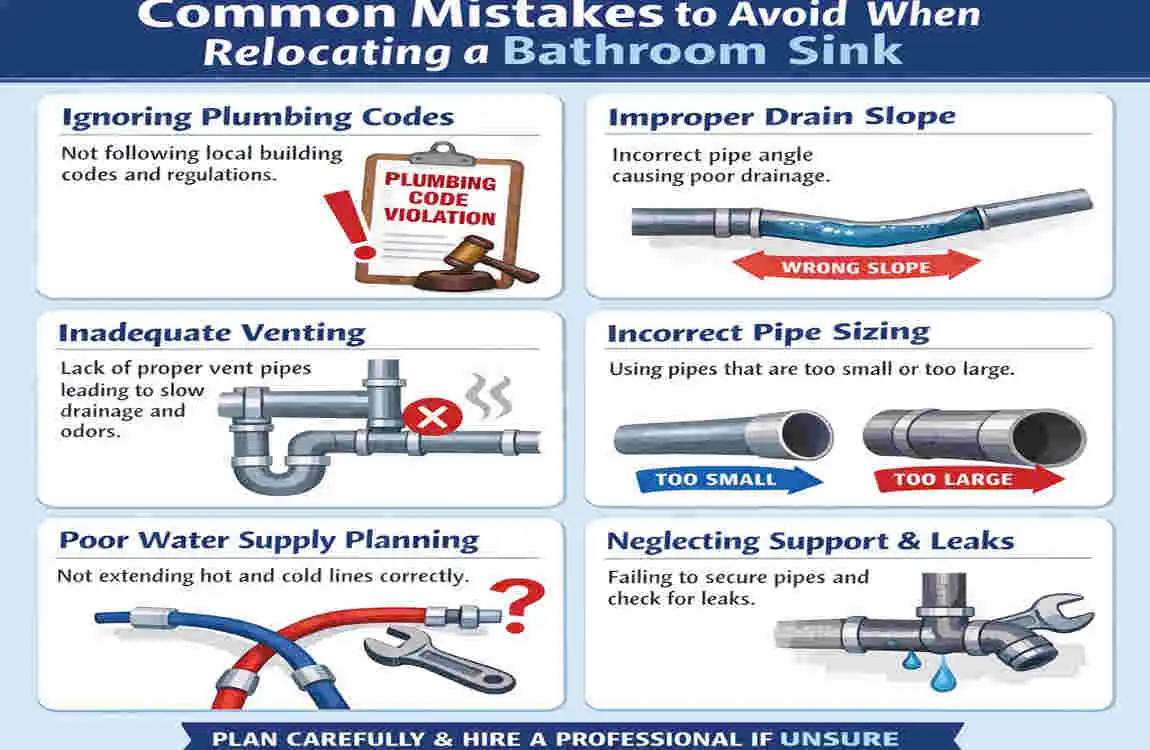
Common Mistakes to Avoid

Even a manageable plumbing job can go wrong if you rush. The good news is that most mistakes are easy to prevent once you know what to watch for.

Overtightening Connections

Many people think tighter is always better. It is not. Overtightening plastic fittings can crack them or strip the threads. Tighten enough to seal, but not so much that you damage the parts.

Ignoring Proper Slope

If the drain does not slope properly, water will not flow as it should. This can lead to slow drainage, buildup, and clogs. Always check the angle before final assembly.

Forgetting About Venting

Drain systems need airflow to work correctly. If you move the sink too far without thinking about the vent path, the drain may gurgle or drain slowly. For larger moves, venting is one factor that makes the job more complex.

Skipping Permits or Code Checks

Some local areas require permits for plumbing changes, especially if you open walls or move plumbing lines. It is always better to check first than to face problems later. A code issue can turn a good DIY project into an expensive correction.

Not Dry-Fitting First

Dry-fitting may feel like an extra step, but it is one of the smartest habits you can build. It helps you catch problems before cement or sealant makes the change permanent.

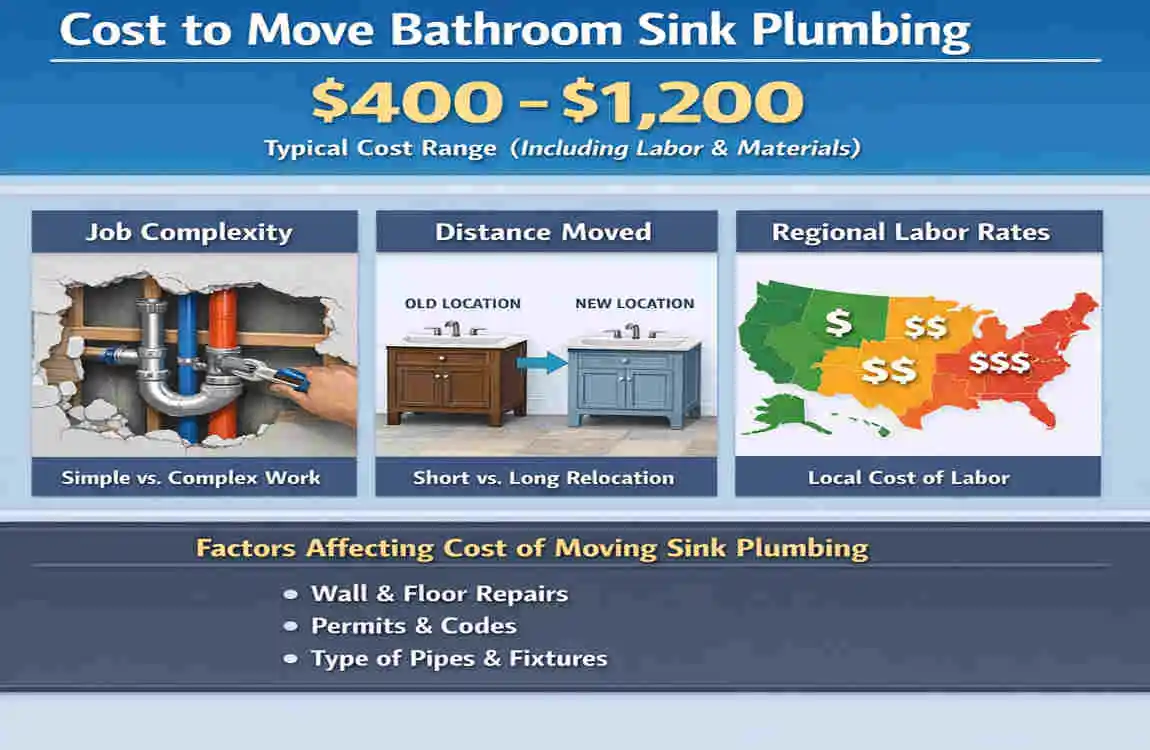
Cost Breakdown and Savings

how to move bathroom sink plumbing

One of the biggest reasons homeowners ask about moving bathroom sink plumbing is the savings it offers.

DIY vs. Professional Cost

DIY vs. ProCost Estimate

Tools / Materials $100–300

Pro Labor $800–2500+

Total Savings Up to 90%

These numbers can vary depending on your area, the size of the job, and the amount of wall or floor work. But in many cases, doing it yourself can save a very large amount of money.

What Affects the Cost?

Several things can push the price up:

  • The type of pipe already installed
  • Whether you need to open walls
  • How far the sink moves
  • Whether supply lines also need replacement
  • Whether you need permits or inspections

A simple move may stay inexpensive. A bigger relocation, especially one that includes structural changes, can cost much more.

Is the Savings Worth It?

For many homeowners, yes. If the project is small to moderate and you are comfortable using basic tools, the savings can be substantial. You also get the benefit of controlling the layout and learning a useful home repair skill.

That said, if the move is large or the piping is old and complicated, hiring help may still be the smarter choice.

FAQ: How to Move Bathroom Sink Plumbing

How much does it cost to move bathroom sink plumbing DIY?

For a smaller DIY job, the total often falls around $100 to $300. That includes common parts, fittings, and any basic tools you may need to buy.

Can I move the sink without cutting walls?

Yes, if the shift is small. A minor move of a few inches can often be handled under the cabinet with drain adjustments, trap changes, or flexible extensions.

What tools should beginners use?

Start with simple tools like an adjustable wrench, channel-lock pliers, a bucket, and a hacksaw for PVC. Avoid advanced methods like soldering unless you already know how to do it safely.

Do I need a permit?

Maybe. Some places require permits for plumbing changes, especially if you alter pipe runs or open walls. Always check your local rules before starting.

What if my sink drain is in the floor?

Floor drains can be harder to move because the pipe path may run under joists or through hidden structure. That type of project usually requires more planning and may be better suited to a more experienced DIYer.

You may also like...

Leave a Reply

Your email address will not be published. Required fields are marked *