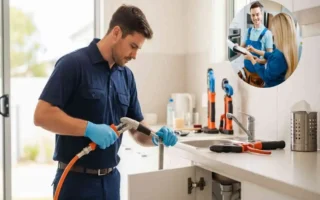
Plumbing is not a small side hustle. It takes tools, skill, time, and a real commitment to service. But it also solves a basic need. People will always need water lines fixed, bathrooms installed, drains cleared, and leaks repaired. That alone makes plumbing one of the most practical trades to consider.
In many markets, especially growing cities and residential areas, the demand is strong. Homes age. Pipes wear out. Fixtures break. Families renovate. New housing expands. And when problems happen, homeowners often need help fast. That creates a steady flow of jobs for the right business owner.
The plumbing industry is not standing still. In many places, demand is growing as homes age and more people move into cities. In fast-growing areas like and other urban hubs, residential construction continues to create more opportunities for plumbers. At the same time, homeowners are becoming more careful about water use, energy efficiency, and property maintenance.
| Factor | Details | Investment Insight |
|---|---|---|
| Startup Costs | $50K–$150K (tools, van, licensing, insurance; lower in PK ~PKR 5–15M) | Moderate barrier; scalable with used gear |
| Market Demand | 3–5% annual growth; aging homes drive 24/7 repairs (U.S. $140B industry) | High—recession-proof essential service |
| Profit Potential | $100K–$250K/year revenue for solo ops; 20–40% margins after year 1 | Strong ROI in 2–3 years |
| Pros | Flexible hours, repeat clients, low overhead, skill-based entry | Ideal for DIY pros like you |
| Cons | Emergency calls, physical labor, regulations, competition | Mitigate with niches (e.g., green plumbing) |
| Break-Even Timeline | 6–18 months with 10–15 jobs/week at $150–$300 avg. ticket | Faster in high-demand areas like |
That means the business is no longer just about fixing broken pipes. It is also about installation, upgrades, maintenance, and emergency response. In other words, if you want to know whether the house plumbing business is profitable, you need to look at the full picture, not just a few repair jobs.
Understanding the House Plumbing Business Model

Before asking whether the business is worth the money, you need to understand what the business actually does. A plumbing business is not only about unclogging drains. A house plumbing business serves homeowners with a wide range of services that keep a home safe, functional, and comfortable.
What Exactly Does a House Plumbing Business Do?
A residential plumbing company usually handles tasks like:
- Repairing leaks in sinks, toilets, and pipes
- Installing bathroom and kitchen fixtures
- Fixing or replacing water heaters
- Clearing blocked drains and sewer lines
- Connecting water supply lines for new appliances
- Offering emergency plumbing support
- Inspecting plumbing systems for hidden problems
These jobs may seem simple from the outside, but they require skill, tools, and problem-solving. A good plumber is part technician, part troubleshooter, and part service professional. That combination is one reason the business can be strong.
If you are wondering whether the house plumbing business is profitable, the answer often depends on how broad your service list is. A business that only offers one small service will usually earn less than one that handles full-home plumbing needs.
Types of House Plumbing Ventures
Not every plumbing business looks the same. In fact, there are several ways to structure it.
A solo plumber may start with basic tools, a small van, and local customers. This model is simple and affordable, and it can be very profitable if overhead stays low.
A small-team model includes the owner and one or more plumbers or helpers. This setup can handle more calls, larger jobs, and faster response times.
A full-service residential company may include office support, dispatch software, vans, marketing, and multiple plumbers. This version costs more to run, but it can scale much faster.
The important thing is this: house plumbing business profitability improves when the business can handle more than one type of customer need. If you only take emergency repairs, your income may be uneven. If you also offer maintenance plans, fixture upgrades, and installation work, your income becomes more stable.
Why Service Diversification Matters
One of the smartest ways to improve returns is to diversify. That simply means offering more than one type of plumbing service.
For example, you might add:
- Seasonal maintenance checks
- Water heater replacement
- Bathroom fixture upgrades
- Low-flow toilet installation
- Leak detection services
- Emergency callouts
- Plumbing inspection for home buyers
This approach helps you fill your schedule and reduce slow weeks. It also supports better pricing because customers often pay more for convenience, speed, and expertise.
So, when people ask whether the house plumbing business is profitable, a better question is: is it profitable when built the right way? The answer is much stronger when the business offers multiple revenue streams rather than just one.
Market Demand: Is There Enough Work for Plumbers?
A business can only be profitable if people actually need the service. Luckily, plumbing is one of those trades that remain relevant in almost every season and economy.
Why Demand Stays Strong
People may delay buying new furniture or electronics, but they usually cannot ignore a broken pipe or overflowing toilet. Plumbing problems affect daily life immediately. That gives the trade a built-in advantage.
A few major trends support demand:
- Older homes need repairs and upgrades
- New housing creates installation work
- Urban growth increases the number of customers
- Water conservation rules create upgrade opportunities
- Smart home trends add new plumbing needs
In many regions, especially in fast-growing cities, residential demand remains strong because homes are expanding and aging simultaneously. That is a powerful combination. It means there are jobs for both repairs and new installations.
If you are still asking whether the house plumbing business is profitable, remember this: essential services usually have stronger staying power than luxury services.
Why Residential Plumbing Can Be a Stable Market
Residential plumbing often performs better than people expect because homeowners need help with both urgent and planned work.
Urgent jobs include burst pipes, clogged drains, or leaking toilets. Planned jobs include bathroom remodels, appliance hookups, and water heater replacement. This mix creates a more stable business than one that depends only on seasonal demand.
In areas with growing suburbs and expanding neighborhoods, residential work can be especially promising. New households need fixtures, pipes, and inspection. Existing homes need repairs. Renovated homes need upgrades. The list keeps going.
That is why the question of whether a house-plumbing business is profitable often gets a positive answer in active housing markets.
A Market That Keeps Repeating Itself
One of the biggest strengths of plumbing is repeat demand. A customer who hires you once may call you again for another issue. They may also recommend you to neighbors, relatives, and friends.
That creates long-term value. A single job can lead to several more jobs later. Over time, this repeat work lowers the cost of finding customers and makes your business more efficient.
Startup Costs: How Much Money Do You Need to Begin?
Now let’s talk about the part most people care about first: money. Even if the business is strong, you still need a real budget to start. So, is a house plumbing business profitable if the startup costs are manageable? Usually yes, because the initial investment can be smaller than many other trades.
Main Startup Expenses
The exact cost depends on your location, scale, and equipment choices. But most plumbing businesses need to cover the same basic areas: licensing, tools, transport, marketing, and working capital.
Here is a simple breakdown:
Cost CategoryEstimated Cost (PKR/USD)Notes
Licensing & Certification 50,000–200,000 PKR ($200–800) Trade license, permits, insurance
Tools & Van 500,000–2,000,000 PKR ($2,000–8,000) Pipe wrenches, cutters, diagnostic tools
Marketing & Website 100,000–500,000 PKR ($400–2,000) Branding, local ads, SEO, business cards
Inventory & Office Setup 200,000–1,000,000 PKR ($800–4,000) Pipes, fittings, storage, small office
Total Startup 850,000–3,700,000 PKR ($3,400–15,000) Can be lower for a solo operator
This table shows something important: the business is not free, but it is also not impossible to launch. For many people, the entry point is far lower than opening a retail store or a restaurant.
That is one reason people keep asking whether the house plumbing business is profitable. Compared to some businesses with high rent, large staff costs, and expensive inventory, plumbing can begin with a more focused setup.
Hidden Costs People Forget
Many new owners only budget for tools and a van. That is a mistake. Real businesses have ongoing costs from day one.
Some of the hidden costs include:
- Fuel and transport
- Replacement tools
- Software for scheduling and invoicing
- Emergency repair expenses for the van
- Insurance renewals
- Permits and compliance fees
- Staff training if you hire help
If you ignore these, your profits may look strong on paper but weak in real life. So, if you want a serious answer to the question of whether the house plumbing business is profitable, you must include all costs, not just the visible ones.
How to Start Without Overspending
You do not need the biggest setup on day one. In fact, many successful plumbing businesses start small and grow step by step.
A lean startup might begin with:
- One skilled plumber
- Basic but reliable tools
- A used van in good condition
- Simple branding
- A local phone number
- A basic website or online business profile
This keeps risk lower. It also lets you test the market before committing to a larger team or office.
Ongoing Expenses and How to Keep Them Under Control
Startup money is only the first part. A business stays alive through good cash flow. That means your ongoing expenses matter just as much as your launch budget.
Common Recurring Costs
Typical monthly or yearly expenses can include:
- Fuel and travel costs
- Van maintenance
- Replacement parts and supplies
- Insurance
- Phone and internet bills
- Advertising
- Staff wages, if you have employees
- Accounting and administrative work
Parts and labor costs can rise quickly if you do not track them carefully. In plumbing, small items like fittings, seals, and connectors may seem cheap, but they add up across many jobs.
Simple Ways to Protect Profit
You do not need complicated systems to keep costs under control. A few smart habits can make a big difference.
Practical ways to protect your margin:
- Buy commonly used parts in bulk so each job costs less.
- Track fuel and route planning to reduce wasted travel time.
- Set clear pricing so every call is profitable.
- Keep your tools organized so you do not lose time searching for equipment.
- Use scheduling software if you handle many customers.
- Inspect your van regularly to avoid expensive breakdowns.
These small steps can improve the answer to the question of whether the house plumbing business is profitable by reducing leakage from the business itself.
What Profit Benchmarks Look Like
Many residential plumbing businesses aim for a net margin of 20% to 30%, though the actual figure can vary by scale and service mix. A solo plumber may see stronger margins because overhead is lower. A larger company may bring in more revenue but also carry more costs.
So yes, the question of whether the house plumbing business is profitable can be a very fair one. But the best businesses are not just busy. They are properly controlled, measured, and priced.
Revenue Potential: What Can a Plumbing Business Earn?
Now let’s move to the part that really answers the investment question. How much can this business actually make?
Average Earnings for House Plumbing Work
Income can vary widely by region, skill level, and job type. A solo residential plumber may earn a modest income at first, but that can grow quickly with better pricing and stronger demand. A small company with multiple employees can earn far more.
In many markets, residential plumbers charge either by the hour, by the job, or with a service fee plus labor. Emergency work usually brings in more. Specialized installation jobs can also increase revenue.
For many business owners, the real advantage is that one customer job can lead to another. You are not always chasing brand-new clients.
That is why people keep asking whether the house plumbing business is profitable. Once the customer pipeline starts moving, revenue can grow steadily.
Typical Revenue Bands
Here is a simple way to think about it:
- Solo plumber: Often enough to build a strong personal income if the schedule stays full
- Small team business: Can support higher monthly turnover
- Scaled residential company: Can produce significant annual revenue if systems are in place
The more services you provide, the more income channels you create. Emergency calls, upgrades, installations, maintenance, and recurring service plans all help increase total revenue.
Why Job Pricing Matters So Much
The most profitable plumbing companies do not just work hard; they work smart. They price correctly.
If you undercharge, your calendar may be full but your bank account may not grow. If you charge fairly and clearly, every job has room for profit.
Good pricing includes:
- Labor cost
- Travel time
- Parts cost
- Emergency premium, when applicable
- Business overhead
- Profit margin
This is one of the strongest reasons: the answer to whether a house plumbing business is profitable depends on business discipline. The same jobs can produce very different results depending on how they are priced.
A Simple Profit Example
Imagine you invest $10,000 to launch a lean plumbing
business. In your first year, after expenses, you earn $30,000 in net profit. That would equal a strong return on investment.
That kind of result is possible in a well-run business. Of course, not every business reaches that level quickly. But it shows why many people view plumbing as a serious investment, not just a small trade.
Profit Margins and ROI: What Numbers Should You Expect?

Let’s get more specific. If you are trying to decide is house plumbing business profitable. Profit margin and return on investment matter more than raw revenue alone.
Gross Profit vs. Net Profit
These two terms are easy to confuse, so let’s keep them simple.
- Gross profit is what remains after direct job costs, such as parts and labor.
- Net profit is the amount remaining after all business expenses, including overhead and taxes.
A business may look strong on gross numbers but still lose money after rent, fuel, insurance, and marketing. That is why net profit gives you the true picture.
Many plumbing businesses can reach gross margins of 50% to 70% on service work, depending on the job type and pricing model. Net margins are usually lower, but a healthy business can still aim for around 10% to 30%, especially with recurring clients and efficient operations.
How to Calculate ROI
ROI stands for return on investment. The formula is:
ROI = (Net Profit ÷ Investment) × 100
For example, if you invest $10,000 and earn $20,000 in net profit, your ROI is 200%.
That is why many owners answer with confidence that their house plumbing business is profitable. A solid service business can deliver strong returns if it is managed carefully.
Break-Even Timeline
Many plumbing businesses can reach break-even in 6 to 12 months, though this depends on location, pricing, and client flow. A business with strong local demand and low overhead may recover faster. A larger setup with hired staff may take longer.
If you want a clearer picture, this table shows three possible scenarios:
ScenarioMonthly RevenueMonthly ExpensesApprox. Net ProfitNotes
Low Volume $3,000 $2,700 $300 Small startup, limited calls
Medium Volume $8,000 $5,800 $2,200 Steady work, some repeat clients
High Volume $20,000 $14,000 $6,000 Strong branding and team support
This table shows why is house plumbing business profitable is not a simple yes-or-no question. It becomes much more profitable when volume, pricing, and systems improve together.
What Improves Profit Fastest?
A few factors can make a big difference:
- Repeat customers
- Emergency service charges
- Maintenance agreements
- Up-selling better fixtures and equipment
- Efficient scheduling
- Strong online reviews
- Referrals from past clients
The businesses that grow fastest often do two things well: deliver good work and stay visible.
Is House Plumbing Business Profitable in the Real World?
At this point, we have looked at the model, the market, the costs, and the revenue. So let’s answer the question directly again: is house plumbing business profitable?
Yes, it can be. But the best results come when you run the business with structure.
What Makes the Business Attractive
There are several reasons this trade can be a strong investment:
- It serves a basic human need
- It works in both good and bad economies
- It offers repeat customers
- It allows for emergency pricing
- It can start small and grow step by step
- It supports upselling and recurring service
These features are powerful. You do not need to convince people they need plumbing. They already know.
That makes customer demand easier to understand than in many other businesses. So, when people ask is house plumbing business profitable, the answer is often yes because the service itself is necessary.
Why Location Changes the Outcome
A plumbing business in a dense, fast-growing urban area may do much better than one in a slow market with fewer housing projects. Demand, competition, and customer expectations all shape profitability.
For example, a business in a growing residential zone may receive more installation jobs, renovation work, and emergency calls. A business in a mature neighborhood may focus more on repairs and maintenance.
The same business model can succeed in one area and struggle in another. So location matters a lot.
The Importance of Reputation
In plumbing, trust is everything. Customers want someone who shows up on time, explains the problem clearly, and fixes it without causing more damage.
That means your reputation can become one of your strongest assets. Good reviews, referrals, and repeat business lower your customer acquisition cost. They also make the business easier to scale.
If you are still wondering whether the house plumbing business is profitable, reputation is one of the biggest reasons it can be. Strong trust means stronger business over time.
Risks and Challenges You Should Not Ignore
No business is perfect. Plumbing has many strengths, but it also has real challenges. A smart investor looks at both sides.
Competition in Local Markets
In city markets, there may already be many plumbers competing for the same jobs. That can make pricing tighter and customer loyalty harder to win.
A strong way to stand out is to choose a clear niche. For example:
- Emergency residential repairs
- Eco-friendly upgrades
- High-end bathroom installations
- Fast-response neighborhood service
- Maintenance plans for homeowners
Specialization can help your business look more valuable, which supports better pricing and a stronger answer to the question, ‘Is a house plumbing business profitable?’
Physical Work and Skill Pressure
Plumbing is hands-on work. It can be physically demanding, messy, and unpredictable. You may crawl under sinks, work in tight spaces, and handle urgent problems under stress.
That means your body, your tools, and your time matter. If you want long-term success, you need systems that reduce burnout.
Seasonal and Economic Fluctuations
Some periods may be busier than others. Weather changes, holidays, and local economic shifts can all affect demand. However, plumbing is still more resilient than many industries because people cannot postpone all repairs.
That is one reason the business is often seen as relatively stable. Even so, you should not rely on luck. Build reserves, plan, and keep your sales pipeline active.
Simple Risk Management Ideas
You can reduce risk by:
- Keeping cash reserves
- Offering more than one type of service
- Collecting customer reviews
- Building referral partnerships
- Maintaining your van and tools
- Tracking expenses carefully
A well-managed business handles problems better. That is the real difference between a small trade and a long-term asset.
Success Stories: What Real-World Growth Can Look Like
It helps to look at the kind of progress a plumbing business can achieve when it is well managed. While every business is different, success stories show what is possible.
Small Start, Strong Growth
Many plumbers begin with a single van, a small set of tools, and a few local customers. Over time, they build trust. They get repeat jobs. They start charging better rates. Then they hire help.
That kind of growth is very common in service businesses. It does not happen overnight, but it happens steadily when the owner stays consistent.
What Successful Owners Usually Do Well
The best-performing plumbing businesses often share a few habits:
- They answer calls quickly
- They communicate clearly
- They keep work quality high
- They ask for reviews and referrals
- They market locally and consistently
- They track profit, not just sales
This is one reason the answer to the question, “Is house plumbing business profitable?” is often yes for owners who treat it like a real business, not just a technical skill.
Lessons from Strong Performers
A successful plumbing business is usually not built on one big job. It is built on many small wins:
- A happy customer recommends you
- A repeat client calls again
- A website brings in a new lead
- A maintenance plan keeps revenue steady
- An upsell adds value to the ticket size
Small steps lead to big results over time. That is the hidden power of a residential plumbing business.
Steps to Start a Profitable Plumbing Business

If you are serious about entering this field, then you need a practical plan. Passion matters, but structure matters more.
Get the Right Training and Licensing
Start with the legal and technical basics. Make sure you understand local rules, required permits, and certification standards. A plumbing business should always be built on safety and compliance.
Write a Simple Business Plan
You do not need a 100-page document. A clear plan is enough. Focus on:
- Services you will offer
- Target neighborhoods or customer types
- Startup budget
- Monthly expenses
- Pricing model
- Marketing plan
- Profit target
This will help you answer is house plumbing business profitable in your own situation, not just in general.
Buy Only What You Need
Begin with the tools and equipment that support your first jobs. Avoid overspending on fancy extras. You can scale later.
Build Your Local Presence
Customers usually look for plumbers who are easy to find and easy to trust. Use simple branding, a strong local presence, and clear contact details. Make sure people know where you work and what services you offer.
Focus on Quality and Reviews
The fastest way to grow is to do excellent work and ask satisfied customers to recommend you. Good reviews build momentum. Momentum leads to more calls. More calls lead to better income.
Track Everything
Track your revenue, cost of parts, fuel, time, and customer sources. The businesses that grow profitably usually know their numbers.
If you want the strongest possible answer to the question “Is a house plumbing business profitable?” the answer will come from your numbers, not from guesswork.
Final Verdict: Is It Worth the Investment?
So, after looking at the market, costs, revenue, and risks, what is the final answer?
Yes, a house plumbing business can be worth the investment. In fact, for the right person, it can be a very smart one. The service is essential, demand stays steady, and the startup cost can be manageable compared to many other businesses.
But success is not automatic. You need good pricing, strong service, careful cost control, and smart marketing. If you do those things well, the business can produce solid returns and long-term stability.
So if you are still asking whether the house plumbing business is profitable, the best answer is this: it absolutely can be, especially if you start lean, stay focused, and scale with purpose.
Quick Takeaway
If you want a simple conclusion, here it is:
- Low entry cost
- Steady residential demand
- Strong repeat business
- Good margin potential
- Real growth opportunities
That is why many entrepreneurs see plumbing as a practical and rewarding trade. With the right plan, it is not just profitable; it is also sustainable. It can become a durable business asset.
If you are ready to move forward, start with a small, clear plan and build from there. The opportunity is real, and the market still has room for good service providers.
FAQ
Is house plumbing business profitable?
Yes, it can be profitable especially in urban and growing residential areas. Demand for repairs, installations, and upgrades continues to rise. Profitability improves when the business keeps overhead low and serves repeat customers.
What are typical plumbing business profit margins?
Many plumbing businesses aim for 10% to 30% net profit, depending on the services offered and how efficiently the business is run. Maintenance contracts and specialized services can improve margins.
How much money do I need to start a plumbing business?
A lean setup may start with a few thousand dollars, while a more complete launch can cost more. The exact amount depends on your tools, vehicle, licensing, marketing, and inventory needs.
Is house plumbing business profitable for beginners?
Yes, it can be, if the beginner starts small, learns pricing properly, and focuses on quality work. It is often best to begin with a narrow service area and expand slowly.
What is the fastest way to improve plumbing business profits?
The fastest improvements usually come from better pricing, repeat customers, emergency service calls, and lower overhead. Good reviews and local visibility also help a lot.