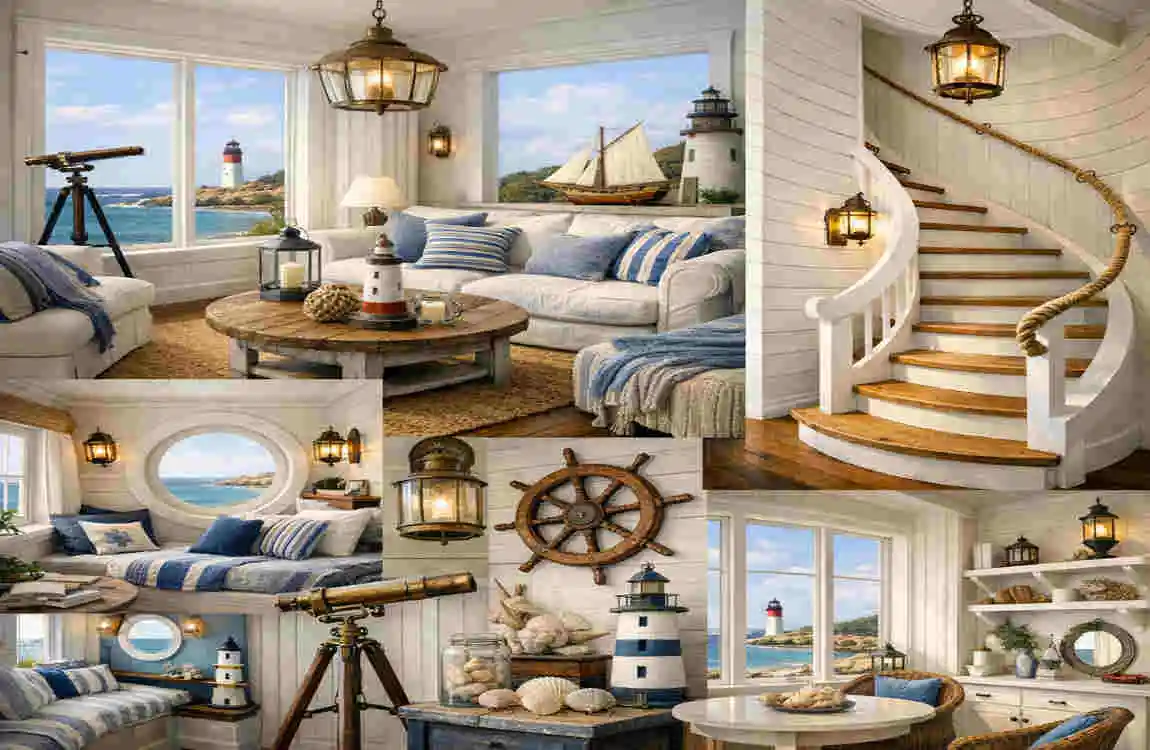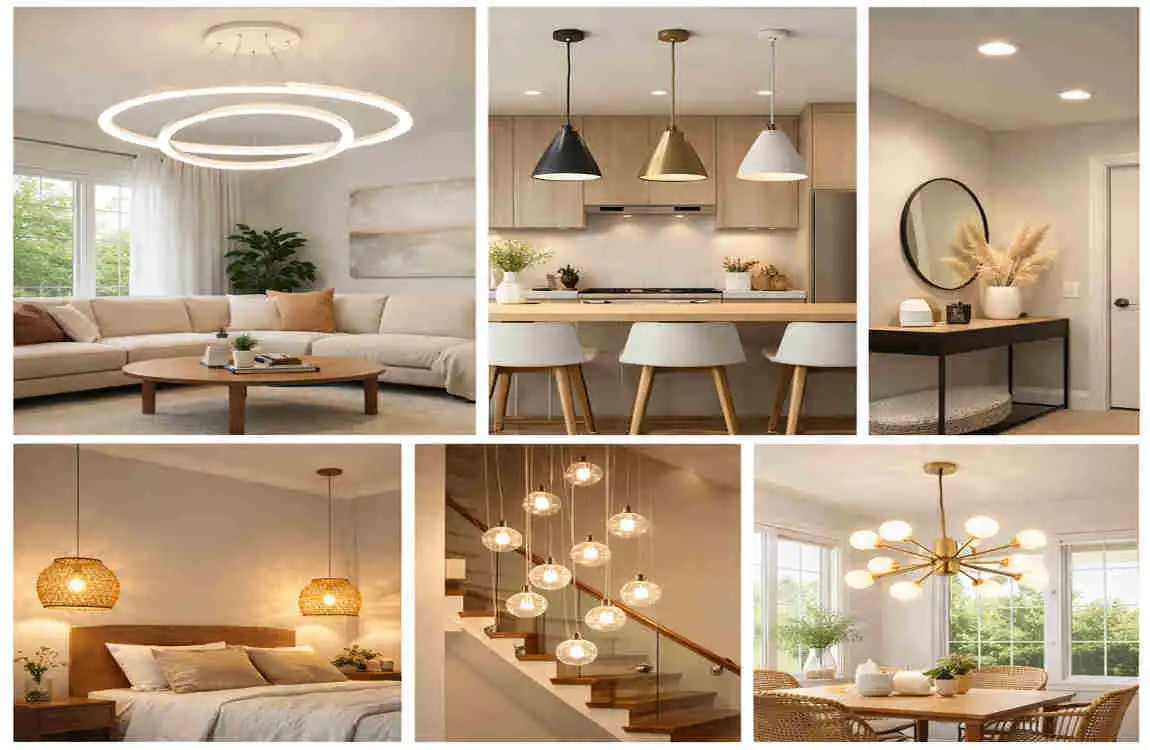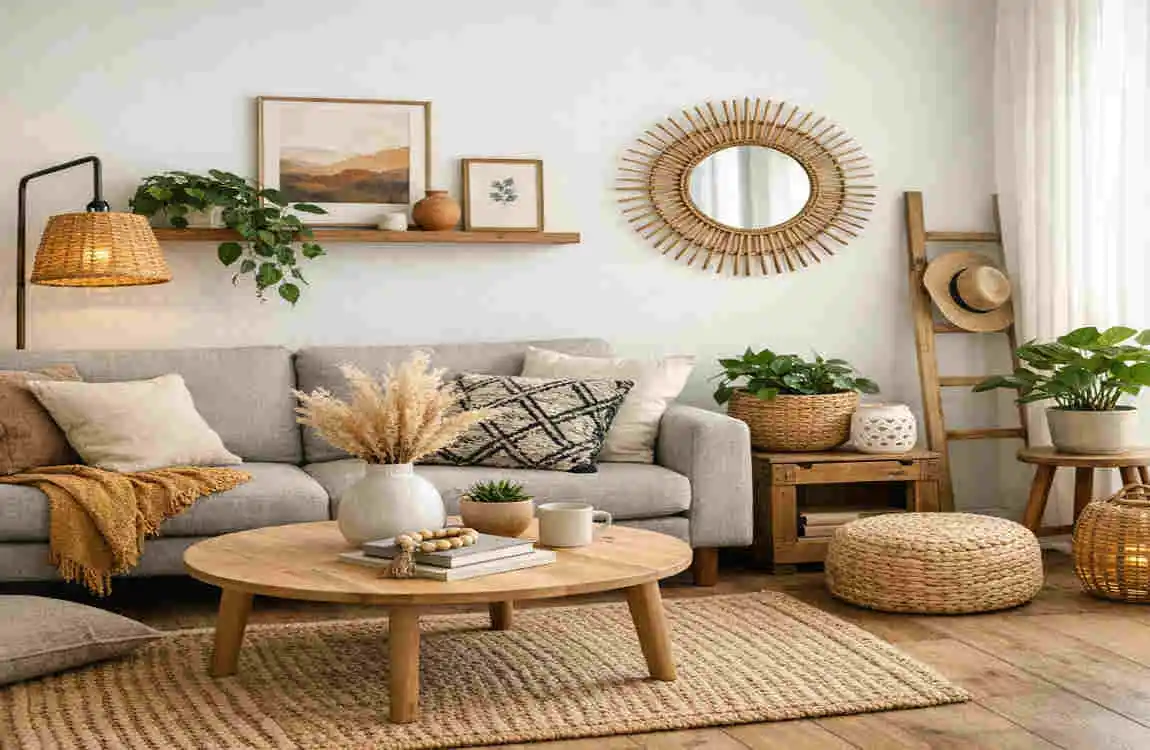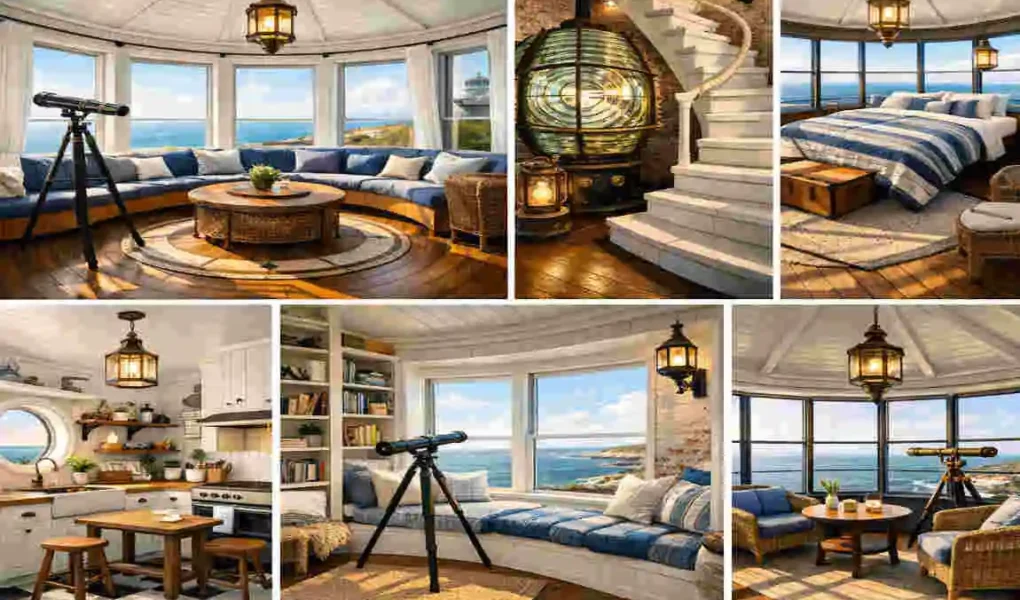
The rooms feel open, calm, and fresh. The walls reflect daylight beautifully. The lights look elegant without trying too hard. That is the charm of light house interior design.
This style takes inspiration from the feeling of a lighthouse by the sea: bright, steady, welcoming, and quietly powerful. It blends modern simplicity with coastal warmth, so your home feels airy rather than crowded and peaceful rather than dull. It works especially well if you want your rooms to feel larger, brighter, and more relaxing without doing a full renovation.
Why Light House Interior Design Is Trending in 2026

A Style That Feels Fresh, Calm, and Practical
In 2026, people want homes that do more than look good. They want homes that feel good. That is one of the main reasons why lighthouse interior design is becoming more popular. It offers a clean, soothing look, but it does not feel cold or empty. Instead, it offers a balance of comfort and clarity.
This style has grown from older nautical looks. In the past, coastal design sometimes leaned too heavily on anchors, ship wheels, and obvious sea-themed decorations. Today, the modern version is much more refined. It uses simple shapes, soft colours, natural textures, and smart lighting to create a similar fresh feeling more elegantly.
A light house-inspired home also fits modern life very well. Many people now work from home, spend more time indoors, and want spaces that support calm thinking. Bright rooms can help you feel more awake during the day and more relaxed in the evening. That is why this style is not only beautiful, but also useful.
The Mood-Boosting Power of Bright Interiors
There is a reason we naturally feel better in bright spaces. Light helps a room feel open and alive. It can make small rooms seem bigger and dark corners feel less heavy. When you combine natural light with soft reflective surfaces, your space feels more balanced.
Light house interior design simply uses that idea. It often includes:
- White or light-colored walls
- Sheer curtains or open window treatments
- Mirrors that reflect daylight
- Soft lighting with a warm glow
- Natural materials that add warmth without clutter
These features work together to create a home that feels peaceful and easy to live in. You do not need expensive furniture or dramatic decorations. You just need the right mix of brightness and texture.
A Sustainable and Flexible Design Choice
Another reason this style is trending is that it works well with energy-efficient lighting. LED bulbs, smart dimmers, and layered lighting systems let you enjoy the feeling of a lighthouse beacon without wasting energy. This makes the design both attractive and responsible.
It is also flexible. You can use it in a beach house, a city apartment, a suburban family home, or even a compact room that needs more visual space. The style adapts easily because its main idea is simple: make the home feel bright, open, and welcoming.
Pros and Cons of Light House Interior Design
AspectProsCons
Brightness Amplifies natural light and makes rooms feel open Can feel stark if overdone in very small spaces
Cost Many updates are DIY-friendly and affordable Custom fixtures and materials can get expensive
Versatility Works well with modern, coastal, and minimalist styles Overusing nautical details can make it feel cliché
Comfort Creates a calm, breezy mood Needs good styling to avoid looking too plain
Energy Use Pairs well with LED and smart lighting Some layered lighting setups need planning
Core Principles of Modern Light House Interior Design
Maximize Light Flow
The first rule of light house interior design is simple: let light move freely through the room. That means avoiding heavy curtains, bulky furniture, and dark corners that swallow brightness.
If you have large windows, keep them open as much as possible during the day. If privacy is a concern, use sheer curtains or light roman shades that soften the light without blocking it. Mirrors are also very useful here. A mirror placed across from a window can bounce daylight around the room, making everything feel larger.
You can also think about the path of light in your home. Where does the sun enter? Which corners stay dark? Which walls reflect light best? Once you answer these questions, you can place furniture and decor more thoughtfully.
A good light-house-inspired room never fights natural light. It works with it.
Use a Nautical-Minimalist Color Palette
Color plays a huge role in this style. The palette should feel calm, airy, and slightly coastal, but not overly themed. Think of the colors you might see inside a stylish seaside home rather than a themed restaurant.
The best colors for modern light house interior design often include:
- Crisp white
- Soft cream
- Misty gray
- Light sand
- Pale blue
- Faded navy
- Weathered wood tones
These shades create a bright base and add just enough coastal character. White keeps the space fresh. Soft blue adds a quiet nod to the sea. Natural wood warms the room, so it does not feel cold.
Try to avoid very bold or overly saturated colors in large amounts. Bright red, dark brown, or heavy black can work in small details, but they should not dominate the room. The goal is to keep the space light, open, and balanced.
Layer Lighting for Depth and Warmth
A lighthouse does not rely on one weak bulb. It has layers of light, direction, and glow. Your home should work the same way.
Instead of using only one ceiling fixture, combine different light sources:
- Ambient lighting for general brightness
- Task lighting for reading, cooking, or working
- Accent lighting to highlight decor or architecture
For example, in a living room you might use a central pendant light, two table lamps, and a soft floor lamp. In the kitchen, you can pair ceiling lights with under-cabinet LEDs. In the bedroom, bedside sconces can create a calm evening mood.
This layering gives the room depth. It also makes the home more flexible throughout the day. Bright in the morning, soft in the evening, and comfortable at every hour.
Add Texture Without Clutter
Lighthouse style is not just about colour and light. It also depends on texture. Texture keeps bright rooms from feeling flat.
You can add texture through:
- Linen curtains
- Rope details
- Weathered wood
- Woven baskets
- Textured rugs
- Matte ceramics
- Soft cotton bedding
These materials give the space a lived-in feel. They remind you of natural seaside surfaces without making the room look overly rustic. The secret is to choose a few good textures and repeat them carefully.
If every surface is shiny and smooth, the room may feel cold. If every surface is rough and busy, it may feel messy. The right balance gives you warmth, interest, and calm all at once.
Five Must-Have Elements for the Style
Here are five features that often appear in strong light house interior design spaces:
- Tall pendant lights that feel like modern lanterns
- Horizontal stripes used lightly to create a sense of length
- Glass and metal accents that reflect light nicely
- Natural plants that bring life and softness
- Open shelves that keep the room airy instead of crowded
These pieces are not mandatory, but they help create the feeling of a well-planned lighthouse-inspired home.
Light House Interior Design Ideas for the Living Room
Create a Cozy Beacon Nook
The living room is often the heart of the home, so it is the perfect place to start. A light house-inspired living room should feel inviting, bright, and easy to relax in.
One strong idea is to create a cozy beacon nook. This could be a reading corner with a comfortable chair, a soft throw, and a tall lamp that gives off a warm glow. The lamp becomes a visual anchor, almost like a small beacon in the room. Pair it with a wood or metal side table, and the space will feel both stylish and useful.
For the main seating area, choose a sofa in white, sand, or pale gray. Add pillows in soft blue or striped fabric. A jute or flat-woven rug can ground the room without making it feel heavy. You want the furniture to look relaxed, not stiff.
The key is to keep the room open. Leave room for movement. Avoid too many large pieces. A few well-chosen items do more than a lot of clutter.
Use Open-Plan Glow for Bigger Impact
If your living room connects to the dining area or kitchen, this style can work beautifully across the whole open-plan space. One of the best tricks is to use lighting as a guide.
Track lighting, pendant lights, or a row of small fixtures can gently define each area while keeping the room connected. Mirrors placed in the right spots can also make the whole space feel bigger and brighter. They reflect light, creating a soft sense of depth.
You can even use one design element to tie the room together. For example, repeat the same wood tone in the coffee table, shelving, and picture frames. Or use the same blue accent in pillows, curtains, and a decorative vase. These repeated touches help the room feel polished without feeling overly designed.
Try a Simple Striped Wall Treatment
If you want to add a little visual height to the room, a striped wall treatment can be a great choice. Horizontal or vertical stripes can shift the way the eye sees the room. Light vertical stripes can make ceilings feel taller. Soft horizontal stripes can make the space feel wider and more relaxed.
To keep the look modern, use subtle contrast. White and pale blue is a classic pairing. White and misty gray also works well. You do not need bold navy unless you are using it sparingly.
If you are painting the stripes yourself, start with a clean white base. Measure carefully, tape the lines, and use a satin or matte finish depending on the look you want. The result can feel crisp, fresh, and quietly nautical.
Living Room Style Tips That Work Well
Here are a few simple ways to bring the look together:
- Use a light-colored sofa as your main anchor piece
- Add one or two lantern-style lamps
- Keep shelves open and styled with a few objects only
- Choose a coffee table in natural wood or painted white
- Add one large mirror instead of many small frames
- Use soft coastal artwork instead of busy wall decor
These small choices can completely change how the room feels.
Before and After: Living Room Transformation
ElementBeforeAfter
Sofa Area Dark leather and heavy cushions White linen sofa with a rope-textured throw
Lighting One overhead bulb Layered lights with a lantern chandelier and table lamps
Walls Flat beige with no contrast Soft striped walls with a subtle sheen
Decor Too many small items Fewer, larger, better-chosen pieces
Overall Mood Closed-in and dull Bright, calm, and welcoming
Kitchen Transformations with Light House Interior Design

Let the Kitchen Feel Fresh and Functional
A kitchen in this style should feel clean, bright, and easy to use. Since the kitchen is one of the most active rooms in the house, it needs to be practical first. The good news is that light house interior design naturally supports good kitchen function.
Start with a bright backdrop. White cabinets, pale counters, and light floors can make the room feel fresh right away. Then add one or two coastal touches to avoid it feeling plain. A sea-glass backsplash, brushed-nickel hardware, or a soft-wood island can bring in a light-house mood without overwhelming the space.
If you want your kitchen to feel more open, use glass-front cabinets for at least part of the storage. They reflect light and prevent the room from feeling too heavy. Open shelving can also work well if you keep it neat and simple.
Make the Island the Beacon Point
If your kitchen has an island, treat it like the center of the room. This is where one of the most charming light-house-inspired touches can take place.
Hang pendant lights above the island. Choose fixtures that look a little like lanterns, but in a clean modern form. The shape can be soft, cylindrical, or slightly tapered. The finish can be matte white, brushed metal, or clear glass. You want the lights to feel like a refined nod to the lighthouse idea, not a costume piece.
You can also use the island itself as a style anchor. A white quartz top with a natural wood base can look especially good. Add stools with woven or rope seats for more texture. The result is fresh and practical.
Small Kitchen Upgrades That Make a Big Difference
Not every kitchen needs a full renovation. In fact, some of the best changes are small and affordable. Try a few of these ideas:
- Replace old cabinet hardware with brushed metal pulls
- Install under-cabinet LED lights
- Use a light oak or pale wood floor finish
- Add glass jars for dry goods to create a neat, open look
- Hang a simple wall clock with a compass-like design
- Choose an apron sink in white porcelain
- Add herbs in small pots near the window
These updates help the kitchen feel brighter and more intentional. They also make the room easier to use every day.
Safety Matters in the Kitchen
Because kitchens deal with moisture, heat, and constant use, choose fixtures and finishes that are easy to clean and safe to maintain. LED lights are a smart choice because they stay cool and use less energy. Make sure electrical work is done properly, especially if you are adding new wiring or changing the layout.
A beautiful kitchen should also be a safe kitchen. That balance is part of what makes modern light house design so practical.
Bedroom Bliss: Serene Light House Interior Design
Build a Restful Coastal Retreat
The bedroom should feel like a soft escape. This is one place where the lighthouse idea works especially well because lighthouses represent calm and direction. Your bedroom can do the same.
Start with the bed. A platform bed with clean lines is a strong choice. Dress it in linen or cotton bedding in white, cream, or pale blue. Avoid too many loud patterns. The goal is to make the room restful, not busy.
Bedside lighting matters a lot here. Instead of harsh overhead light, use lantern-style sconces, small table lamps, or wall-mounted lights with warm bulbs. These create a gentle glow that helps the room settle down at night.
Use Window Treatments That Soften the Morning
Bedrooms in this style work best when they feel bright but not exposed. That is why window treatments are important.
Sheer curtains are a lovely choice because they let light filter through softly. You can pair them with roman shades or simple blackout layers for sleep. In the morning, the room will glow gently, feeling peaceful and natural. In the evening, you can close the heavier layer for privacy and rest.
The light should feel like dawn, not like a spotlight.
Add a Lighthouse-Inspired Accent Wall
If you want a little more character, an accent wall can help. This does not need to be bold. A soft mural, a lighthouse silhouette, or a painted panel in misty blue can add quiet personality without taking over the room.
Another option is to use textured wallpaper in a pale stripe or subtle wave pattern. Keep the design gentle. In a bedroom, less is often more. You want the wall to support the mood, not distract from it.
Bedroom Layout Ideas
Small Bedroom
Use a light bed frame, a narrow side table, and wall-mounted lamps to save space. Keep the colour palette very light to make the room feel open.
Main Bedroom
Include a larger upholstered bed, a bench at the foot, and a reading chair in one corner. Add layered curtains for a soft, elegant effect.
Guest Bedroom
Keep it simple and welcoming. A white bedspread, a small lamp, a woven basket, and one coastal art piece can be enough.
Why This Style Works So Well in the Bedroom
The bedroom should help you unwind. A bright, well-balanced design can reduce that heavy feeling some bedrooms get when they are too dark or too crowded. Light house interior design brings in calm, soft order. It gives the room the quiet confidence of a lighthouse standing steady at night.
Bathroom and Entryway Ideas for Light House Interior Design
Make the Bathroom Feel Clean and Airy
Bathrooms are a natural fit for this style because they already need brightness and simplicity. A light house-inspired bathroom should feel fresh, tidy, and easy to maintain.
Start with a light color palette. White tile, pale gray stone, or soft blue accents work very well. Vessel sinks can add a modern touch, while chrome or brushed nickel fixtures keep the room looking crisp. If you want a subtle coastal feel, use pebble flooring in a shower area or a textured tile that hints at sea-worn surfaces.
Good lighting is especially important here. A vanity mirror with soft side lights can make the space feel much brighter. If your bathroom has a shower, a rain-style shower head can add a spa-like feeling.
Keep the Entryway Welcoming
The entryway is the first place guests see, so it should introduce the style quickly and clearly. A light house-inspired entryway does not need much. It only needs a few smart pieces.
A slim console table, a round mirror, and a striped rug can instantly set the tone. Add a small bowl for keys, a simple vase, and a hook rack for bags or coats. If you want a playful nautical touch, use a rack shaped like oars or made from light wood.
The entryway should feel like a fresh breath when you walk in. It should tell people that the rest of the home will be calm, clean, and bright.
Quick Wins for Small Spaces
If your bathroom or entryway is small, do not worry. A few low-cost updates can make a big difference:
- Use peel-and-stick tiles for a clean wall accent
- Add a large mirror to reflect light
- Choose pale floor mats or rugs
- Replace dark hardware with lighter finishes
- Keep surfaces as clear as possible
Small rooms often benefit the most from this style because light and simplicity make them feel more open right away.
Light House Interior Design for Dining and Home Office
Create a Dining Room That Feels Calm and Social
A dining room in this style should invite people to sit down and stay awhile. The space needs to feel open enough for easy movement but warm enough for conversation.
A round table can work beautifully, softening the room and making gathering feel more natural. Hang a drum pendant or lantern-style light above the center. This becomes the room’s visual anchor. Add chairs in pale wood, white, or a simple upholstered fabric.
For the table styling, keep it natural and uncomplicated. A bowl of shells, a small vase of greenery, or a linen runner can be enough. You do not want the table to feel overloaded. You want it to feel ready for real life.
Shape a Focused Home Office
Home offices can become stressful if they feel dark or cramped. This is where light house interior design can really help.
Start with a desk that has clean lines and a light finish. Add a task lamp that feels a little like a searchlight or beacon, but in a modern way. Use a mirror or rounded wall decor to make the room feel softer and more open. Keep storage simple so papers and cables do not take over.
A porthole-style mirror can be a subtle and clever touch. It gives a slight nautical reference without becoming too obvious. Pair that with white walls, a single pale accent colour, and a comfortable chair, and the office will feel brighter and easier to work in.
Keep the Energy Balanced
A dining room and home office both need a careful balance between style and purpose. Too many decorations can feel distracting. Too little can feel cold. The lighthouse idea helps because it offers structure. It gives you a guiding theme while still letting the room breathe.
Budget Breakdown and Shopping Guide
A Stylish Look Does Not Need a Huge Budget
One of the best things about light house interior design is that it can be done in stages. You do not need to change everything at once. In fact, a slow, thoughtful approach often yields better results.
Start with the rooms that need the most light. Add paint, new curtains, one or two lamps, and a mirror. Then work on the details. Small upgrades can have a big effect when the overall palette is already right.
Room-by-Room Budget Example
RoomBudget ItemsApproximate Total
Living Room Paint, lamps, throw pillows, rug $350
Kitchen Hardware, lighting, backsplash update $400
Bedroom Curtains, bedding, bedside lamps $250
Bathroom Mirror, towels, small fixtures, peel-and-stick tile $200
Entryway Console table, mirror, rug, hooks $150
This is only an example, but it shows that a coordinated look is possible without a luxury budget. If you already have basic furniture, your costs can be even lower.
Where to Spend and Where to Save
Spend more on the items you use every day, like lighting, bedding, and seating. These parts affect comfort the most. Save money on decorative extras by using simple DIY projects, secondhand pieces, or smart swaps like new lamp shades and painted furniture.
If a room already has good bones, you may only need a few updates to change the whole mood. Sometimes fresh paint and a better lighting plan do more than buying all-new furniture.
Common Mistakes to Avoid in Light House Interior Design

Do Not Overload the Room with Nautical Symbols
This is one of the biggest mistakes people make. If you use anchors, shells, ropes, boats, stripes, and sea colours all at once, the room can start to feel themed rather than stylish.
The modern version of light house interior design is about suggestion, not decoration overload. Use one or two nods to the coast and let the rest stay clean and simple.
Do Not Ignore Scale
A large lantern chandelier may look amazing in a big living room, but it could overwhelm a tiny apartment. In smaller spaces, choose slimmer fixtures, lighter furniture, and fewer accessories. The style should help the room breathe, not crowd it.
Do Not Forget Dimmers
Dimmers are a small detail with a big effect. Bright light is wonderful during the day, but softer light is often better in the evening. Dimmers give you flexibility and help the room feel more comfortable at different times.
Do Not Let Whites Get Dirty or Flat
Light colors are beautiful, but they need care. If you use a lot of white and cream, keep them fresh with regular cleaning and good maintenance. Also, mix in wood, linen, and woven textures to avoid a flat feel in the room.
A Quick Checklist
- Keep the style modern, not overly themed
- Balance bright surfaces with warm textures
- Choose the right-sized furniture
- Layer your lighting
- Keep decor simple and intentional
FAQs About Light House Interior Design
What Is Light House Interior Design?
Lighthouse interior design is a style inspired by the bright, calm feeling of a lighthouse and the coastal surroundings around it. It usually combines light colors, simple shapes, natural textures, and layered lighting to make rooms feel open and peaceful.
How Can I Add Light House Interior Design on a Budget?
Start with easy changes. Paint the walls a lighter color, replace heavy curtains with sheer ones, add a mirror, and use warm LED lights. Even a few small updates can make a room feel much brighter and more cohesive.
What Are the Best Colors for Modern Light House Interior Design?
The best colors are usually white, cream, pale blue, soft gray, sand, and light wood tones. These shades create a clean base and keep the room feeling airy and calm.
Is Light House Interior Design Good for Homes Far from the Coast?
Yes, absolutely. You do not need to live near the ocean to enjoy this style. In fact, it can work especially well in inland cities because it brings a fresh, restful feeling to busy everyday spaces.
What Are the 2026 Trends in Light House Interior Design?
In 2026, the style is moving toward minimal nautical accents, energy-efficient lighting, natural textures, and softer coastal colors. People want a look that feels modern, practical, and peaceful rather than overly decorative.