how to properly vent home plumbing
Plumbing

How to Properly Vent Home Plumbing: 7 Expert DIY Tips to Avoid Clogs & Sewer Gas

Have you ever heard a bizarre, ghostly gurgling sound echoing from your bathroom sink right after you flush the toilet? Maybe you have walked into your guest bathroom and noticed a foul, rotten-egg smell lingering dangerously near the shower drain. If these scenarios sound familiar, you are likely dealing with a hidden but serious airflow issue. Learning how to properly vent home plumbing is one of the most overlooked yet fundamentally critical skills for any dedicated homeowner.

Picture your home’s plumbing system like the human respiratory system. Just like your lungs desperately need continuous, unrestricted air to function, your water pipes need a steady supply of air to keep water flowing smoothly down the line. Without proper airflow, a powerful vacuum forms inside the enclosed plastic pipes. This vacuum acts like a suction cup, aggressively slowing down your wastewater drainage and pulling the protective water barrier right out of your P-traps. When that vital water barrier disappears, hazardous sewer gases can easily sneak straight up through the drains and into your living spaces.

Type Description Best For
Individual Direct vent per fixture to stack Sinks, showers
Wet Shared drain/vent pipe Back-to-back fixtures
Air Admittance One-way valve, no roof penetration Islands, additions
Stack Main vertical vent for whole house Multi-fixture homes

Why Proper Plumbing Venting Matters

how to properly vent home plumbing

You might naturally assume that residential plumbing is strictly about water flowing down the drain. In reality, it is actually a highly delicate, physical balancing act between heavy water and invisible air. When a large volume of water rushes down a vertical pipe, it vigorously pushes the air in front of it while simultaneously creating a tight vacuum behind it. If your plumbing system cannot rapidly pull in fresh outdoor air to fill that trailing vacuum, you have a major functional crisis on your hands. Vents are designed to constantly equalize this atmospheric pressure, ensuring that water glides smoothly and silently through your pipes without a single hitch.

More importantly, proper venting aggressively prevents the dangerous siphoning of your drain traps. Every sink, bathtub, and toilet in your home has a specially curved pipe underneath it called a P-trap. This U-shaped curve holds a small, permanent pool of tap water that acts as an invisible, impenetrable shield, physically blocking nasty sewer gases from rising out of the municipal sewer lines and invading your bathroom. If your pipes lack incoming air, the vacuum effect literally sucks that protective water right down the drain. Once the trap is empty, those dangerous, flammable gases have a completely free pass into your home’s interior.

The common issues directly linked to poor venting are incredibly frustrating. You will experience agonizingly slow-draining sinks, mysterious gurgling noises behind drywall, and foul odors that simply will not go away no matter how much bleach you pour down the drain. Without a dedicated escape route for trapped air, you will also face frequent, stubborn drain clogs resulting from poor wastewater flow. In fact, industry statistics reveal that poor venting accounts for 30% of all residential plumbing service calls!

Following the strict rules laid out by international building codes is absolutely non-negotiable. The basic golden rule is quite simple: every plumbing fixture must be vented. By thoroughly understanding plumbing code venting requirements—like those detailed in the International Plumbing Code (IPC)—you actively protect your home’s expensive infrastructure and your family’s respiratory health.

Understanding Plumbing Vent Basics

Before you rush to the hardware store and start grabbing tools off the shelf, you need to firmly understand the fundamental types of vents. You certainly do not have to be a licensed master plumber to grasp these straightforward concepts. Let us break down the complex terminology into plain English so you know exactly what materials you are working with.

Types of Vents:

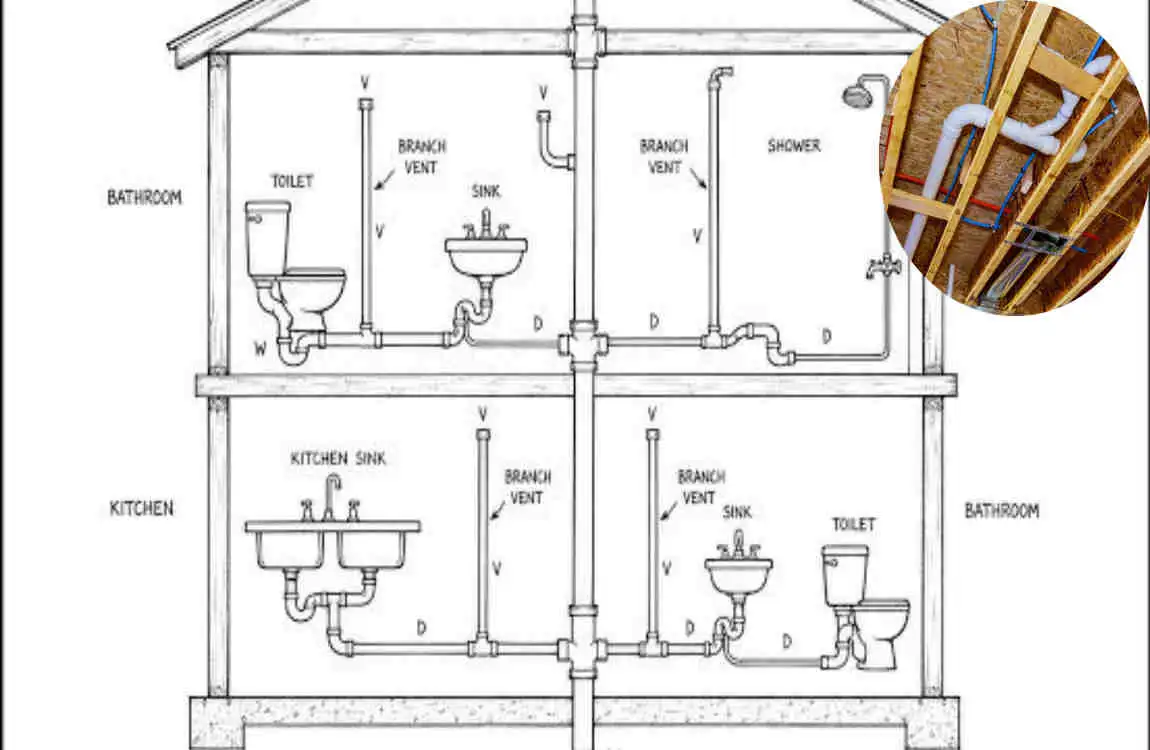
  • Dry vents: These are exactly what they sound like—dedicated pipes that only carry atmospheric air, never liquid wastewater. They typically run vertically through your interior wall cavities, penetrate your attic, and exit cleanly through your roof. They represent the most traditional, time-tested, and reliable way to introduce fresh air into your plumbing system.
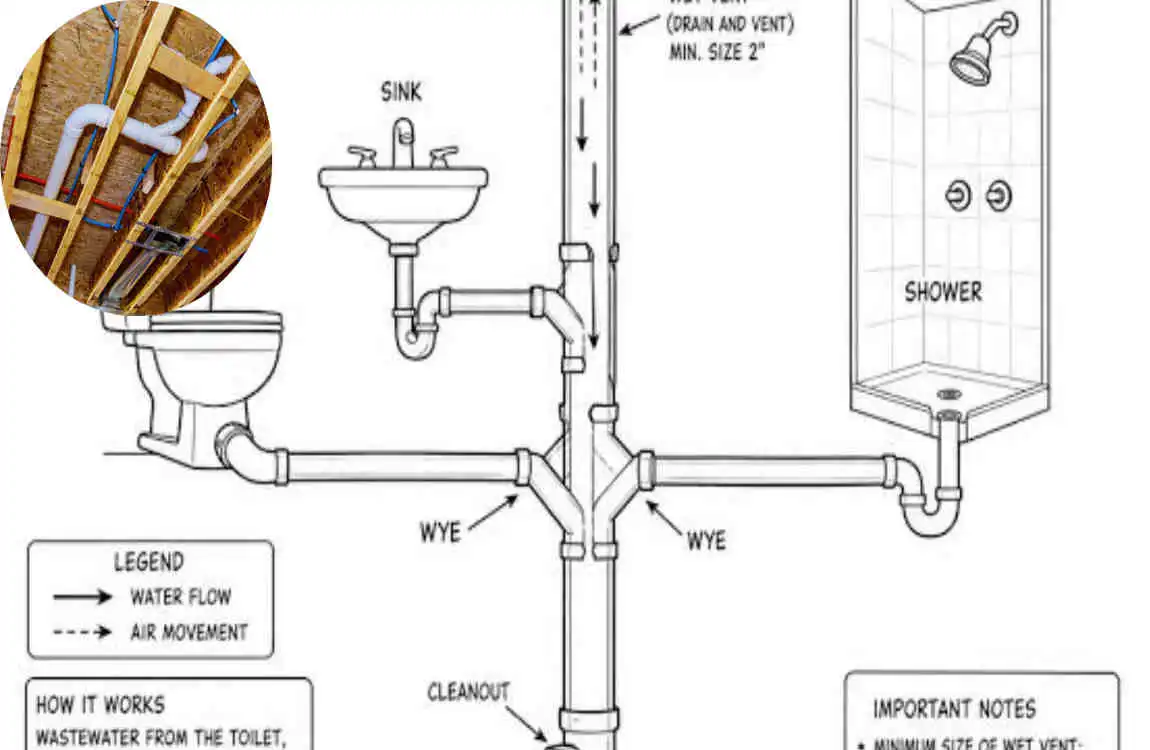
  • Wet vents: This clever, highly efficient setup utilizes a single, oversized pipe to serve as both a wastewater drain for one fixture and a breathable vent for another. Understanding the nuances of a wet vent vs dry vent application is crucial for drastically saving wall space and reducing material costs, especially when remodeling cramped, older bathrooms.
  • Air admittance valves (AAVs): These are magical little one-way mechanical valves. When heavy water flows down the drain, negative pressure opens a spring-loaded seal, sucking ambient room air directly into the pipe. When the water stops flowing, gravity instantly snaps the seal shut, tightly locking sewer gas inside. AAV vent plumbing is an absolute lifesaver for tricky, isolated spots where you simply cannot run a traditional dry pipe all the way to the roof.

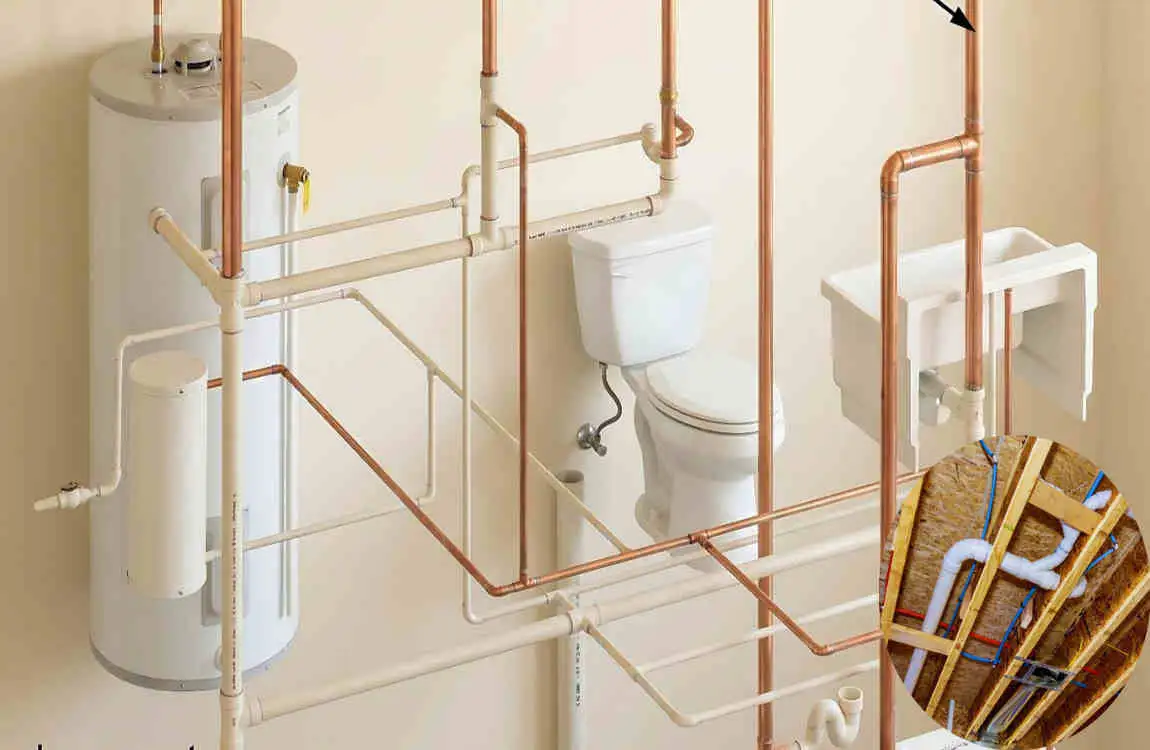
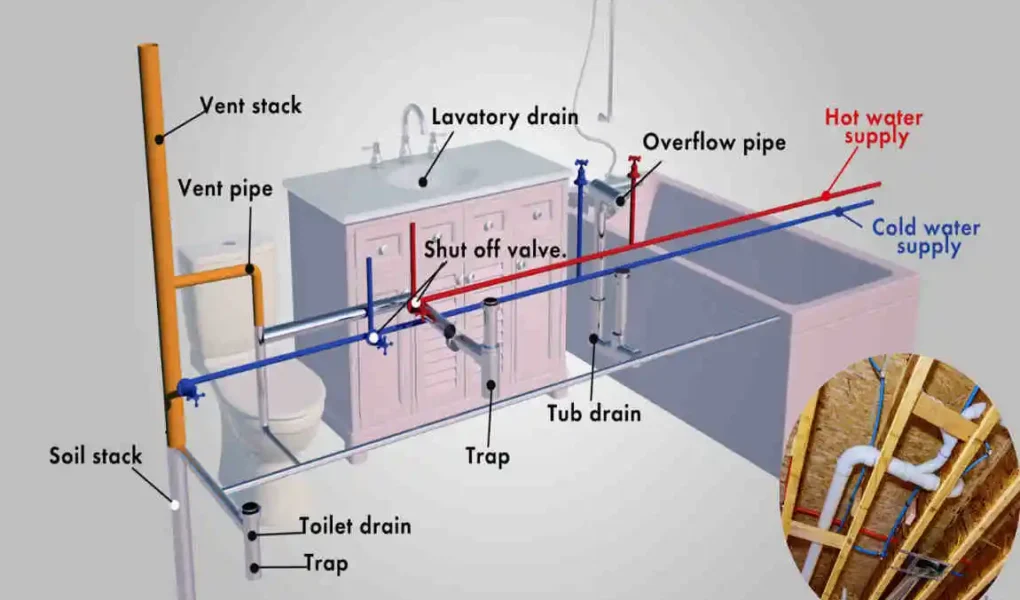
Key Components: Your breathing plumbing system relies heavily on a few major players working in perfect harmony. The P-traps safely hold the water barrier. The vent stacks act as the vertical superhighways that carry foul air up and out of the house. Finally, the roof terminals are the open, weather-resistant ends of the pipes sticking out high above your shingles.

Pro Tip: For the vast majority of residential DIY projects, use 1.25-inch to 4-inch PVC or ABS pipes. To ensure that slippery internal condensation and moisture do not permanently trap in the airflow lines, always slope your horizontal vent pipes at a minimum of 1/4 inch per foot, directly back toward the main drain!

Vent Type Best For Pros Cons

Dry Vent Master Toilets & Main Sinks Provides the absolute most reliable, unrestricted airflow Requires cutting a vulnerable, weather-sealed hole directly into your roof

Wet Vent Grouped Bathrooms & Half-Baths Incredible space-saving design and uses significantly less pipe Faces strict local plumbing code limitations and size requirements

AAV Kitchen Islands & Basement Bars eliminates the need for any complex roof penetration Requires wall access panels and is not legally allowed by all local codes

Tools & Materials Needed

Are you feeling ready to roll up your sleeves and get your hands dirty? Executing your very own DIY plumbing vent installation is highly rewarding and financially smart, but you absolutely must have the right gear. Having every single tool on hand before you make your first cut will save you countless frustrating, mid-project trips to the local hardware store.

First, let us list the essential building materials. Grab a wide selection of rigid PVC or ABS pipes and their perfectly matching fittings. You will specifically need “wyes” and “long sweep elbows” rather than standard sharp angles. You will also need a fine-tooth hacksaw, or better yet, a specialized ratcheting PVC pipe cutter to ensure clean, perfectly straight cuts without jagged burrs. Do not forget to grab both PVC primer (usually purple) and PVC cement; these volatile chemicals work together to physically melt the plastic components into a permanent, leak-proof weld. A high-quality torpedo level is entirely essential to ensure you precisely hit that crucial 1/4-inch slope, and a sturdy, fiberglass step ladder will safely help you reach those high ceiling joists.

Personal safety should always remain your top, uncompromising priority. Always wear heavy-duty, rubber-gripped work gloves to protect your hands from razor-sharp pipe edges and skin-staining chemical primers. Toss on a comfortable pair of clear safety goggles to completely shield your eyes from falling sawdust, toxic glue fumes, and flying plastic shavings.

If you were to hire a seasoned professional to diagnose and fix a complex venting issue, you would likely be looking at a steep bill of $500 or more to cover their hourly rate. Tackling this project with a confident DIY attitude brings your total material cost down to a highly manageable $50 to $200, depending heavily on the scope and size of the installation.

Call to Action: Stock up with our recommended suppliers to ensure you purchase the thickest, highest-quality materials for your home! Also, be sure to review our comprehensive guide on the best drain cleaners to keep your newly vented pipes flowing flawlessly for years to come.

7 Expert DIY Tips to Properly Vent Home Plumbing

how to properly vent home plumbing

Now we arrive at the truly exciting part. Let’s dive deep into exactly how to properly vent home plumbing by utilizing seven actionable, expert-approved tips. These highly detailed steps will carefully guide you through the entire process, ensuring a completely safe, code-compliant, and fully functional drainage system.

Map Your Existing Vent Stack

Before you even think about cutting into a single pipe, you absolutely must understand your home’s current anatomical layout. You need a crystal clear, mental plumbing vent diagram before proceeding. Blindly hacking into walls is a guaranteed recipe for disaster.

Start your investigation by locating the main soil vent stack. Usually, you can easily find this massive, 3-inch or 4-inch pipe by popping your head up into the attic or simply walking outside and looking at your roof for the thickest plastic pipe protruding through the shingles. Once you pinpoint the main stack, play the role of a plumbing detective. Trace its vertical path downwards through your interior walls to see exactly which rooms and fixtures it serves. Does it handle the upstairs master bathroom, the downstairs kitchen, or both?

A fantastic DIY check is the classic “listen and look” test. Have a willing helper run the water at maximum flow in various sinks throughout the house while you stand near the exposed wall pipes. Listen closely for any strained gurgling sounds, which powerfully indicate that a specific section of pipe is desperately struggling for air. Mapping your system on a piece of graph paper prevents you from accidentally tapping your new vents into the wrong drainage line.

Install Individual Fixture Vents

For optimal performance and zero drainage hiccups, strive to give each major fixture its own dedicated vent line. When you connect a newly installed sink or a remodeled toilet to the main vent stack, you must use the correct connection fittings.

Always use “wye” fittings (which are shaped exactly like the letter Y) rather than standard “sanitary tee” fittings (which are shaped like a hard letter T). Wyes naturally encourage a smooth, sweeping, directional flow of both air and water, drastically reducing friction. Furthermore, you must ensure you install this crucial vent connection within 5 feet of the fixture’s P-trap. If the vent is too far down the line, it simply won’t be able to break the vacuum fast enough before the trap gets completely siphoned dry.

The step-by-step DIY process is remarkably simple: Turn off the main water supply, mark and cut into the existing horizontal drain pipe, aggressively apply purple primer and clear glue to your wye fitting, press it into place with a slight twist, and then extend the new vertical vent pipe straight up into the open wall cavity. By graciously providing each fixture with its own independent air supply, you drastically reduce the daily risk of clogs.

Use Long Sweep Elbows

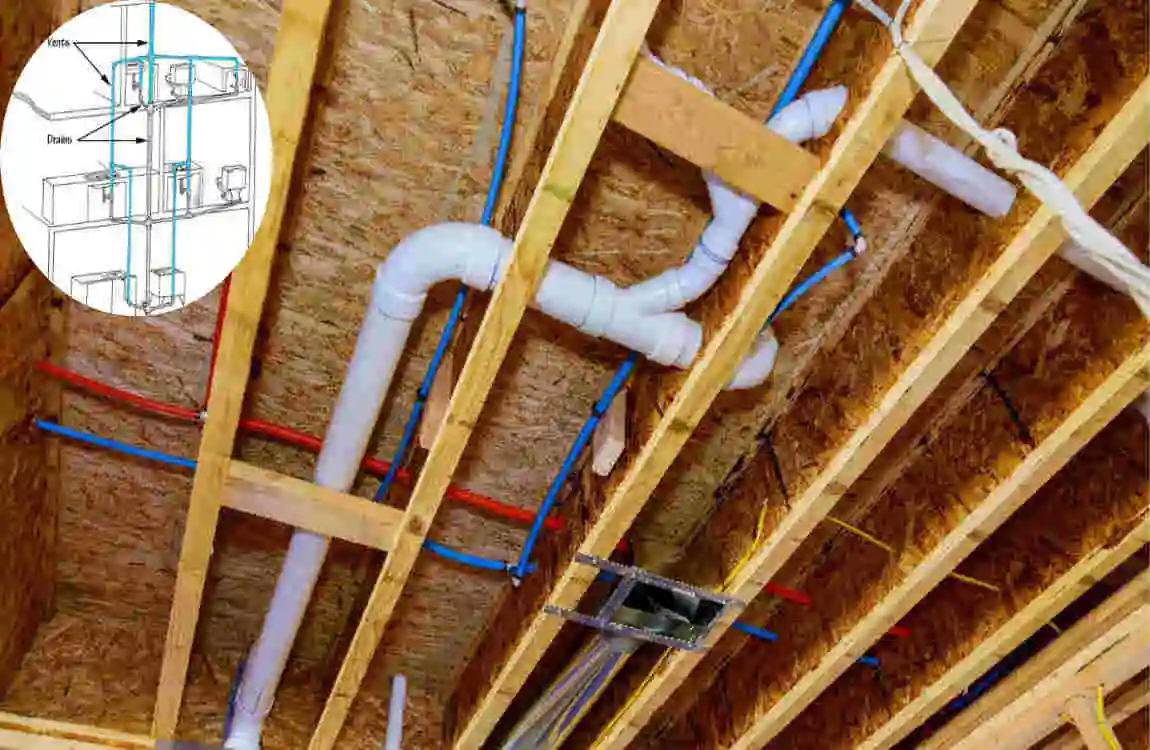
When you are meticulously routing your brand new vent pipes upward through tight wall studs and cramped ceiling joists, you will inevitably need to make directional turns. This exact moment is where many enthusiastic DIYers make a critical, flow-killing error: they blindly purchase and install sharp, 90-degree elbows.

Both rushing air and flowing water absolutely hate sharp, jagged turns. A hard 90-degree angle immediately creates chaotic turbulence and drastically slows down the necessary airflow. Instead, you must seek out and use “long sweep” elbows. These specialized fittings feature a highly gentle, elongated, sweeping curve that allows high-velocity air to glide effortlessly and quietly around the corner without losing any momentum.

Using long sweeps does so much more than just silently improve airflow; it actively works round the clock to prevent drain clogs. In the rare, unfortunate event that raw wastewater accidentally backs up high into the vent line, or if autumn leaves manage to fall straight down the roof stack, a long sweep elbow physically prevents solid debris from stubbornly wedging in a sharp corner. Keeping the breathing airways completely clear of blockages is just as important as keeping the water lines clear!

Add AAVs for Tricky Spots

Sometimes, attempting to run a traditional, rigid dry vent all the way up through a finished house and out the roof is just not physically practical or financially feasible. Picture a beautiful, newly renovated kitchen island featuring a gorgeous, deep farmhouse sink. You certainly do not want an ugly, thick white PVC pipe sticking straight up vertically out of your expensive marble countertop!

This specific scenario is exactly where Air Admittance Valves (AAVs) swoop in and completely save the day. For structurally tricky spots like kitchen islands or isolated basement wet bars, you can legally install a compact AAV directly under the sink, keeping it completely hidden away inside the wooden cabinetry. The universal plumbing code usually requires that the bottom of the AAV be at least 4 inches above the horizontal drain line. Additionally, it must remain permanently accessible in case the mechanical spring fails years down the road and requires a quick swap.

After gluing the AAV into place, you must always run a stress test. Fill the sink bowl to the brim and let it drain as rapidly as possible. You should not hear any strained gurgling echoing from the pipes, and more importantly, you should never smell a hint of sewer gas. If you pass this rigorous test, your modern AAV vent plumbing installation is a massive success!

Ensure Roof Vent Height

If your project involves installing a highly reliable, traditional dry vent that physically penetrates the exterior roof, the final termination height is an absolutely critical detail that you cannot gloss over. You cannot just lazily leave a tiny stub of plastic pipe barely poking out of the asphalt shingles.

According to standard universal building codes across the country, the open vent pipe must vertically extend a minimum of 6 inches above the highest point of the roofline. This aggressive height prevents heavy, bouncing rain from splashing straight down into the pipe and actively keeps swirling, turbulent winds from blowing toxic sewer gas straight back into your living room. Make sure you install a high-quality, flexible rubber roof boot and generously apply roofing tar to seal the newly cut hole around the pipe securely.

Here is an incredibly crucial winter survival tip for homeowners living in heavy, snowy climates: you will likely need to extend that roof pipe even higher, sometimes up to 12 or even 24 inches, depending on your region. You must ensure the opening sits well above the historical average snowfall line. Additionally, wrapping the exposed outdoor pipe in thick foam insulation effectively protects against “hoarfrost,” a dangerous phenomenon in which warm, moist sewer gas instantly freezes at the exit point, effectively choking off the home’s entire air supply.

Wet Vent Multi-Fixtures

If you are currently remodeling a tightly packed, incredibly small guest bathroom, trying to run individual, dedicated dry vents for the sink, the toilet, and the shower can quickly turn your limited wall cavity into an absolute nightmare maze of tangled plastic pipes. To intelligently save premium space and costly materials, you can legally utilize the advanced wet venting method.

A beautifully designed wet vent allows the slightly oversized drain of one specific fixture to act as the breathable vent for another fixture simultaneously. For example, routing a standard bathroom sink drain so it efficiently flows over the top of the main toilet’s drain line is a perfectly legal, highly common combination in most modern jurisdictions—provided you strictly size and slope the horizontal pipes correctly. The shared pipe must be exceptionally wide (usually bumped up to at least 2 or 3 inches in diameter) so that the flowing wastewater only fills the bottom half of the pipe, leaving the top half completely dry and open for fresh air to flow freely in the opposite direction.

Successfully creating a functional wet vent requires highly careful mathematical planning. You must meticulously ensure the horizontal shared pipes slope exactly 1/4 inch per foot. When done with precision, wet venting is an incredibly efficient, elegant way to handle multiple heavy-use fixtures in a single, cramped room.

Test & Maintain Vents

Once all your brand new vents are perfectly glued up and the powerful cement is completely dry, your job as a responsible homeowner is not quite finished. You need to definitively verify that your entire system is completely airtight and functioning as designed.

Professional plumbers often perform an incredibly cool “smoke test.” They cap the roof vents and forcefully pump non-toxic, thick artificial smoke directly into the plumbing system, while carefully watching the interior walls. If gray smoke begins to billow out from behind a drywall seam or under a vanity cabinet, they instantly know they have an unsealed leak that desperately needs fixing. As a budget-conscious DIYer, you can easily replicate this by mixing a thick soapy dishwater solution and generously spraying it onto your newly glued PVC joints. If the joints bubble up when the system drains under pressure, you have found a microscopic leak that requires more cement.

To permanently prevent drain clogs and keep your hidden vents incredibly healthy over the long term, you must absolutely commit to basic annual maintenance. Purchase and install inexpensive wire mesh screens securely over your open roof vents to prevent birds, squirrels, and heavy tree debris from building nests inside the warm pipes. Additionally, flush your main sink drains with copious amounts of boiling water every few months to aggressively dissolve lingering, sticky grease and hardened soap scum before they solidify.

As one highly seasoned, veteran plumbing pro perfectly stated: “Wyes and sweeps mimic nature’s smooth flow.” By treating your home’s pipes like a natural, winding river system rather than a rigid grid, you will undoubtedly enjoy decades of completely trouble-free drainage. Be sure to check out our latest post on essential septic maintenance tips to keep the underground end of your system in absolute top shape!

Common Venting Mistakes to Avoid

how to properly vent home plumbing

Even the most enthusiastic, highly researched DIYers can quickly stumble when first learning how to properly vent home plumbing. Knowing exactly what not to do is honestly just as important as memorizing the right steps.

One of the absolute biggest, most devastating blunders is carelessly failing to slope horizontal vent pipes. While vent pipes are primarily designed to carry invisible air, warm condensation naturally builds up inside them daily. If the horizontal plastic pipe lays perfectly flat, or worse, accidentally slopes away from the main drain, that heavy condensation will pool deeply in the center, quickly creating an unintended water trap that blocks vital airflow entirely.

Another incredibly common, flow-destroying mistake is the aggressive use of the wrong pipe fittings. We mentioned it earlier, but the golden rule bears repeating loudly: never, ever use sanitary tees in horizontal drain or vent applications. Always default to smooth wyes and long sweep elbows to aggressively encourage smooth, frictionless air transitions.

Ignoring local municipal building codes is a guaranteed recipe for a total disaster, especially when you go to sell your home. The codes do not exist just to annoy you; they strictly exist to protect you and your family from severe sewer gas risks. When pungent sewer gas leaks unnoticed into a sealed home, it brings along highly toxic hydrogen sulfide and highly explosive methane gas. Prolonged daily exposure causes terrible, chronic headaches, intense nausea, and in extreme, rare cases, a literal house-leveling explosion if the methane heavily accumulates near a basement furnace’s pilot light.

Take a quick, careful look at this handy reference table to ensure you are actively avoiding the most common plumbing pitfalls:

Mistake Fix

Using sharp 90-degree Tee fittings Completely swap them out and use smooth, directional Wyes instead

Installing severely undersized pipes Always match or comfortably exceed the main fixture’s drain pipe size

Leaving horizontal pipes perfectly flat Guarantee a strict 1/4-inch slope sloping directly back to the drain

Capping roof vents tightly to stop rain Use highly breathable, domed mesh screens to stop debris while allowing air

FAQs

You probably still have a few burning, specific questions swirling in your mind. Let us carefully tackle some of the most common, highly searched inquiries homeowners have when trying to permanently avoid sewer gas and perfect their internal plumbing.

How to properly vent home plumbing without roof access? If you have a steeply pitched roof that you cannot safely reach, or if you happen to live in a multi-story condominium building where a personal roof penetration is totally impossible, you should heavily rely on Air Admittance Valves (AAVs). These genius one-way valves sit discreetly under your sinks or hide behind louvered access panels directly in the wall. They pull ambient air from the room itself, eliminating the complex need for a bulky, difficult roof stack.

Does poor venting actually cause physical drain clogs? Yes, absolutely! It all fundamentally comes down to the physics of siphonage. When a fast-draining pipe suddenly lacks incoming air, the rushing wastewater creates a powerful, restrictive vacuum. This vacuum dramatically slows water velocity, allowing heavy toilet paper, sticky kitchen grease, and tangled human hair to slowly settle inside the pipe rather than flushing forcefully into the sewer. Over time, this slow-moving, sticky debris piles up and inevitably forms a stubborn, rock-solid clog.

Which is structurally better: a wet vent vs dry vent? If you have the open wall space and the material budget, a dedicated, individual dry vent is always considered the golden standard for ultimate reliability. Because a true dry vent never carries dirty wastewater, it is virtually immune to internal clogs. However, wet venting is perfectly safe, highly code-compliant, and strongly recommended for tightly packed bathroom layouts, provided you size the shared pipes up accordingly to handle both heavy water and rushing air simultaneously.

Can I legally vent a modern toilet using a small 1.5-inch pipe? No, you absolutely cannot. Modern flushing toilets aggressively push a massive volume of heavy water very quickly. Universal building codes generally require toilet vents to be at least 2 inches in diameter. This larger size guarantees adequate airflow to prevent the massive toilet trap from siphoning the adjacent shower trap dry.

How can I tell quickly if my main roof vent is clogged? Look out for the classic, undeniable warning signs: annoyingly slow-draining sinks occurring across the entire house simultaneously, toilets that violently bubble and gurgle when flushed, and unexplained, rotten sewer smells wafting from the drains. If you notice these severe symptoms, grab a bright flashlight and carefully inspect the roof stack for matted autumn leaves, heavy snow buildup, or even dead birds blocking the pipe’s exit.

You may also like...

Leave a Reply

Your email address will not be published. Required fields are marked *