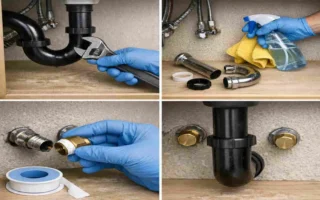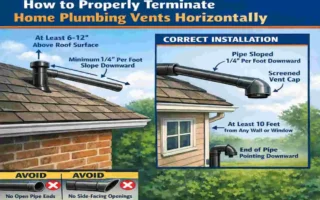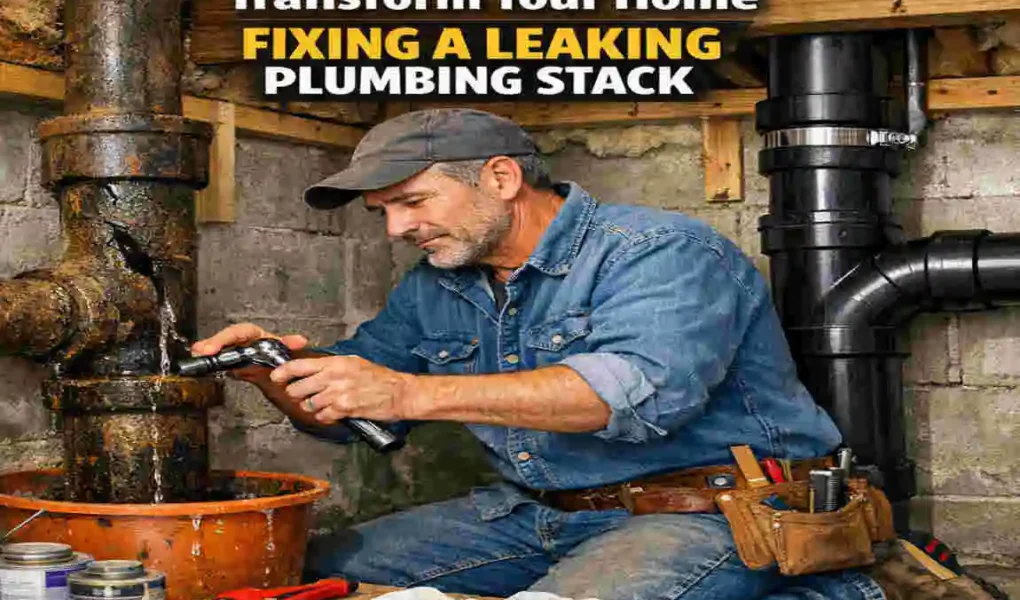
A leaking plumbing stack can quickly turn into a frustrating home repair problem, causing water damage, unpleasant odors, and damp areas around walls or ceilings. Learning how to fix a leaking home plumbing stack starts with identifying the source, understanding the type of damage, and choosing the right repair method. With basic tools and careful inspection, some minor leaks can be addressed before they become more expensive problems.
| Aspect | Details |
|---|---|
| Plumbing Stack | A vertical pipe that carries wastewater and helps vent the home’s drainage system |
| Focus Keyword | how to fix a leaking home plumbing stack |
| Common Leak Signs | Water stains, dripping, damp walls, mold, unpleasant odors, or visible moisture |
| Common Causes | Cracked pipes, damaged joints, loose fittings, corrosion, and aging plumbing |
| Basic Tools | Adjustable wrench, screwdriver, pipe cutter, bucket, flashlight, gloves, and cleaning cloth |
| First Step | Reduce or stop water use around the affected plumbing area |
| Leak Inspection | Check exposed pipes, joints, connections, fittings, and nearby walls or ceilings |
| Minor Joint Repair | Clean the connection and tighten or replace the appropriate fitting or seal |
Understanding a Leaking Plumbing Stack
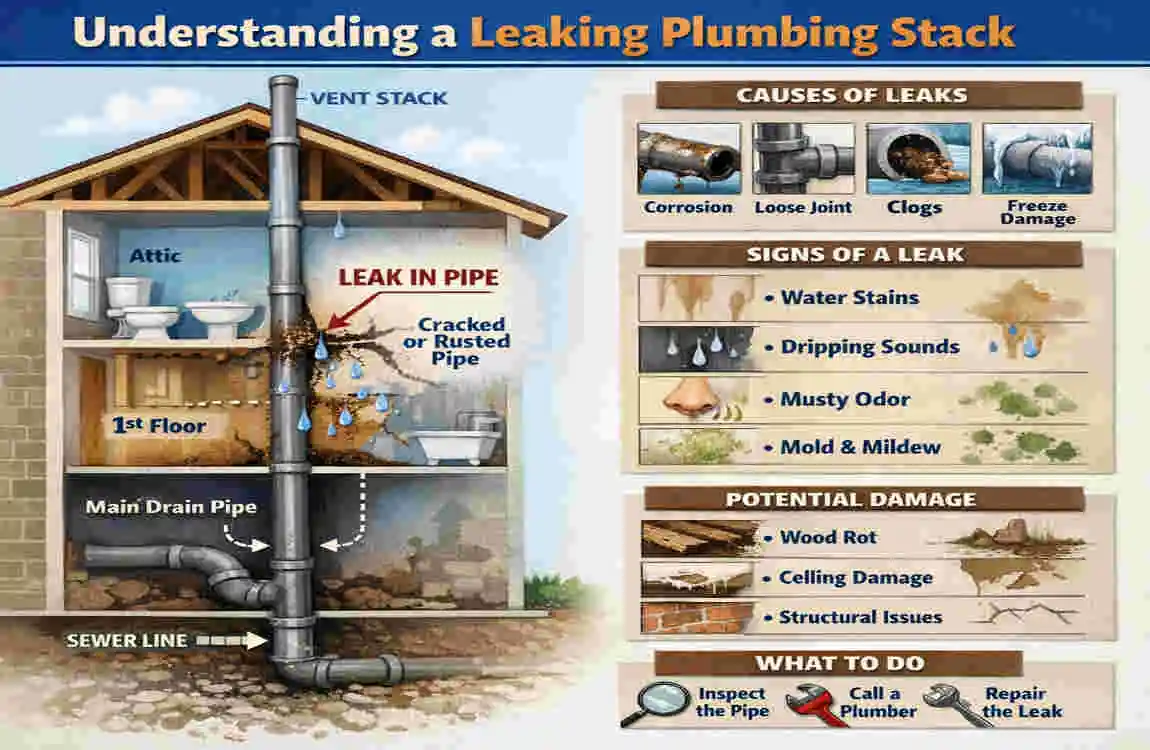
A plumbing stack is the vertical pipe that carries wastewater and vent gases from every floor up to the roof. It keeps drains working and stops foul odours from entering the house.
What Is a Plumbing Stack?
The stack is a tall pipe, usually copper or PVC, that connects all the house’s drain lines. It lets air flow into the system, helping water move smoothly and preventing suction that could pull drains dry.
Common Causes of Stack Leaks
Leaks happen when joints loosen, pipes crack, corrosion eats away metal, or old fittings wear out. Even a small shift in the building can stress the stack enough to create a drip.
Signs You May Have a Stack Leak
- Water stains on walls or ceilings
- Damp, musty smells that linger after showers
- Dripping sounds you can hear behind the drywall
- Visible rust or corrosion on exposed pipe sections
- Unexplained mould growth or moisture on nearby surfaces
Tools and Materials You May Need
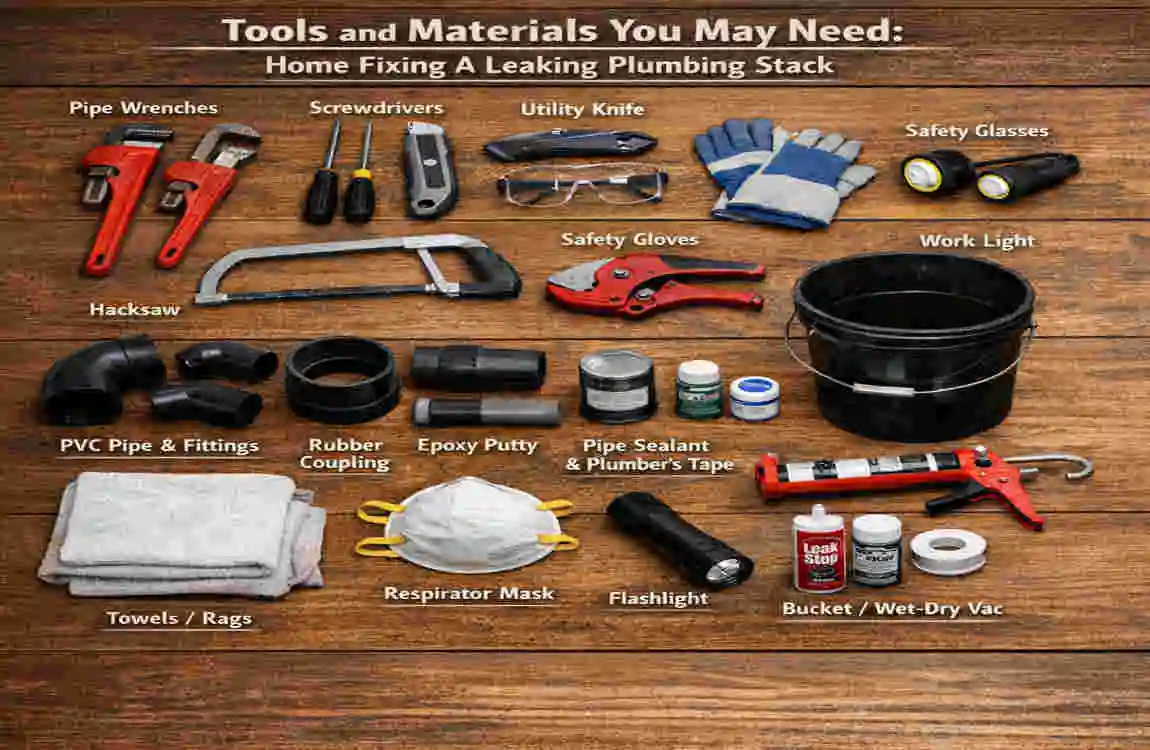
Before you start, gather the basics. The exact items depend on the pipe material (copper, PVC, ABS) and where the leak is located.
Essential Tools
Tool | Why You Need It
Adjustable wrench Tighten or loosen fittings without damaging them
Pipe cutter Cleanly cut away damaged pipe sections
Screwdriver Remove brackets and access panels
Bucket Catch any water that may escape during work
Flashlight Light up dark crawl spaces or basements
Cleaning cloth Wipe away rust, debris, and old sealant
Possible Replacement Materials
- New pipe sections that match the existing material (PVC, copper, etc.)
- Compatible connectors and couplings
- Waterproof sealant or plumber’s putty for tight seals
- Clamps or hose clamps for extra support
How to Fix a Leaking Home Plumbing Stack
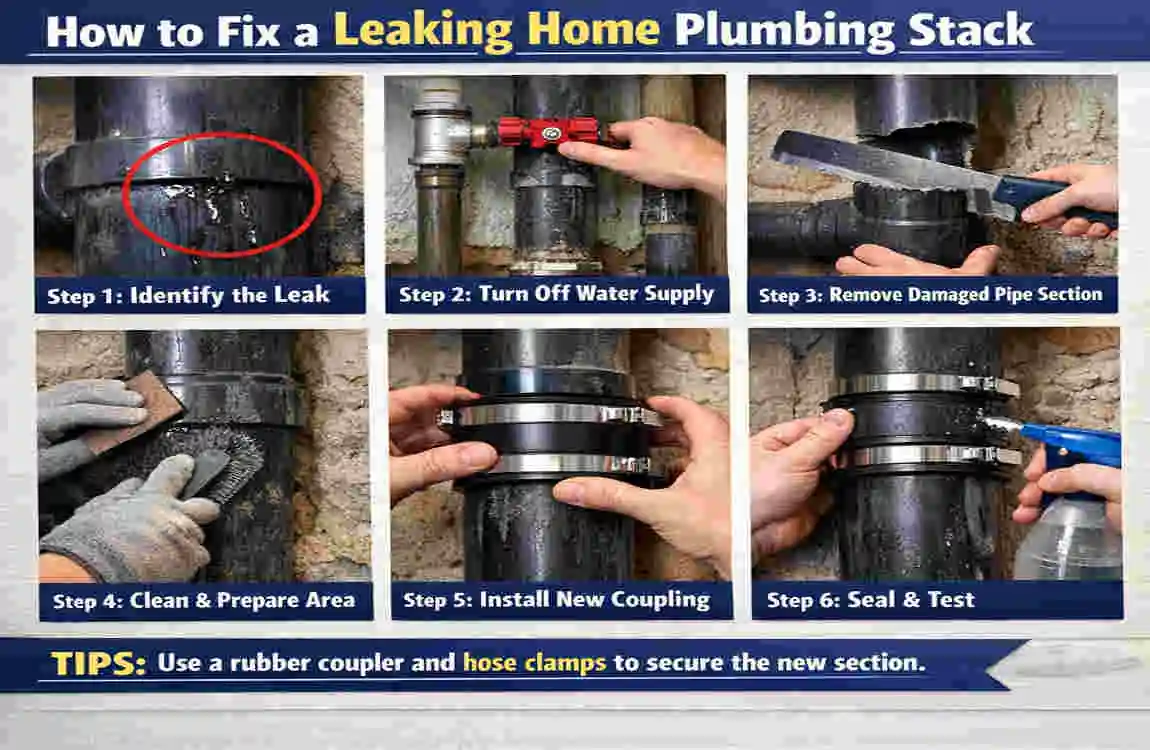
Follow these practical steps to tackle the problem yourself, keeping safety in mind.
Turn Off Nearby Water Sources
Shut off the main water valve or at least the fixtures closest to the leak. This reduces pressure and prevents new water from adding to the mess while you work.
Locate and Inspect the Leak
Use a flashlight to trace any moisture back to its source. Look for wet joints, rust spots, or a crack in the pipe itself. A dry cloth can help you spot fresh drips.
Repair a Small Joint Leak
If the leak is at a connector, clean the threads, apply plenty of sealant, and tighten the fitting with an adjustable wrench. A snug, not forced, fit usually stops the drip.
Replace a Damaged Pipe Section
When a pipe segment is cracked, cut out the bad piece with the pipe cutter. Fit a new section using matching connectors and secure it with clamps. Wrap sealant around the joints for extra protection.
Test the Repair
Turn the water back on slowly. Watch the repaired area for any sign of moisture. Run water through nearby fixtures for a few minutes to be sure the leak is gone.
Safety Tips Before Repairing Plumbing
Working on a stack can expose you to dirty water, gases, and tight spaces.
Protect Yourself
Wear gloves and safety glasses, keep the area well‑ventilated, and lay down towels or a tarp to stay dry.
Know When to Stop
If the pipe is deeply embedded in a wall, the damage is extensive, or you notice sewage smells, call a licensed plumber.
Preventing Future Plumbing Stack Leaks
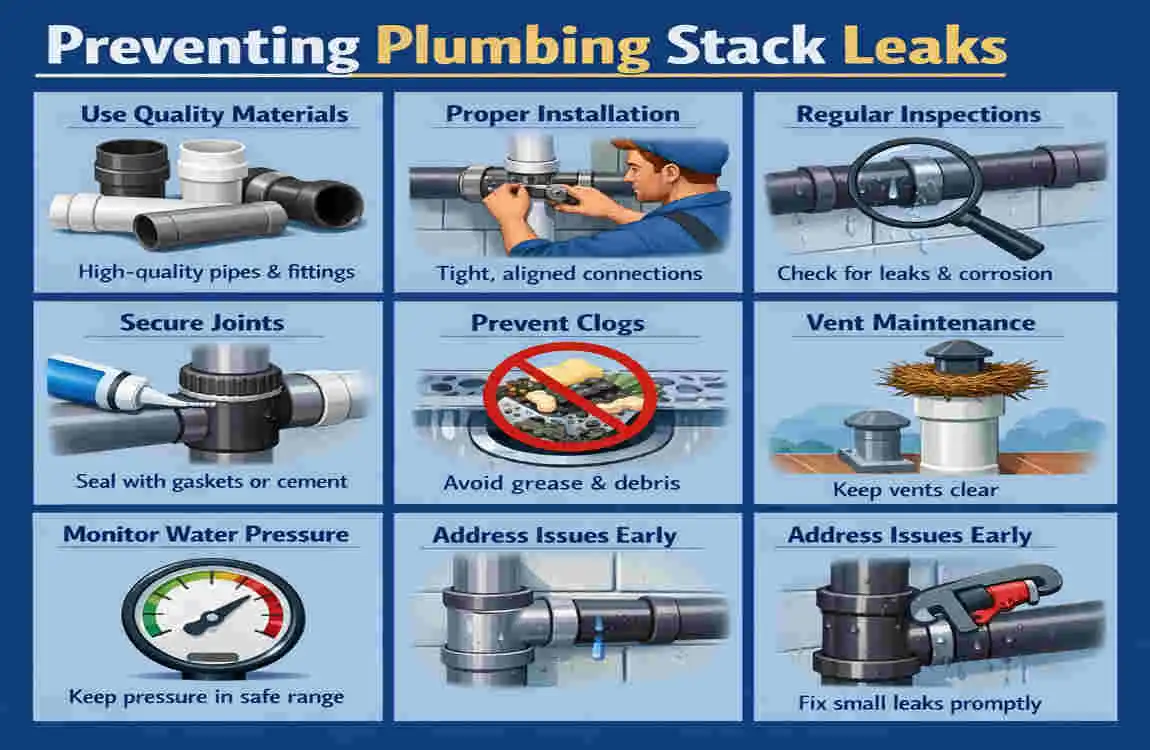
A little regular care goes a long way.
Inspect Exposed Pipes
Look for early signs of rust, tiny cracks, or loose connections every few months.
Avoid Plumbing Damage
Never force fittings, avoid using harsh chemicals that can erode pipe material, and be careful when drilling near walls.
Schedule Professional Inspections
Older homes or those with recurring leaks benefit from a yearly check‑up by a plumbing professional.
Cost, Repair Options, and When to Call a Plumber
Understanding the costs helps you decide whether DIY or professional help makes sense.
DIY Repair vs. Professional Repair
Minor, accessible leaks can often be fixed with basic tools and patience. Larger cracks, hidden pipes, or sewage issues usually require a pro’s expertise and equipment.
When Replacement May Be Better
If the stack shows widespread corrosion, multiple cracks, or repeated leaks despite repairs, replacing the whole section might save money in the long run.
FAQ About Fixing a Leaking Plumbing Stack
Can I fix a leaking plumbing stack myself?
Yes, if the leak is visible and reachable. Leave hidden or severe leaks to a professional.
What causes a plumbing stack to leak?
Loose joints, corrosion, cracks, shifting building foundations, and aging pipe material are the main culprits.
How do I know where a plumbing stack is leaking?
Follow any water stains, odours, or dampness back to the point where the pipe is wet or corroded.
How long does a plumbing stack repair take?
A simple joint fix can take under an hour. Replacing a pipe section may take a few hours, especially if access is tight.
Can a leaking plumbing stack cause water damage?
Absolutely. Continuous leakage can ruin walls, ceilings, flooring, and even furniture if not addressed quickly.