A sage green home already has a calm, charming, and stylish look. It feels soft without being boring, and it has enough color to stand out without looking too loud. That is one reason sage green has become such a popular exterior choice. It works beautifully on many home styles, from cozy cottages to modern farmhouses.
But even with a beautiful siding color, the front door still plays a huge role. Your front door is one of the first things people notice. It acts like a focal point, which means it can either pull the whole exterior together or make the house feel visually off-balance.
That is why choosing the right door color matters so much. The right choice can improve curb appeal, strengthen your home’s style, create a better sense of balance, and even support resale appeal. A front door is a small area, but it carries a lot of visual weight.
What Makes Sage Green a Unique Exterior Color?
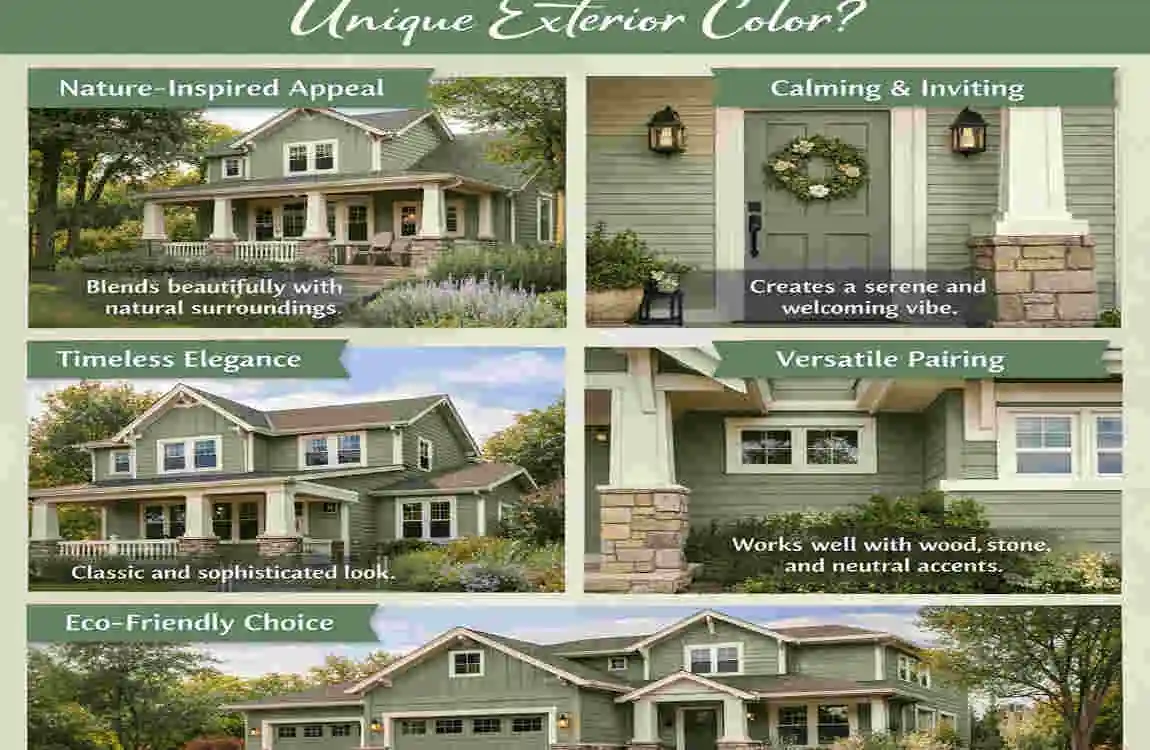
Sage green is not a bright or flashy green. It is muted, earthy, and calming. That is part of its appeal. It often has a grey, beige, or even slightly blue undertone, making it feel more natural and less intense than stronger greens.
Because of that softness, sage green works well in many design styles. It feels at home on a modern farmhouse, but it also fits a cottage, traditional, coastal, or craftsman exterior. It can look classic, rustic, fresh, or even slightly upscale depending on how you pair it.
One of the most important things to understand is that not all sage greens look the same. Some are warmer, with more yellow or beige in them. Others are cooler, with more grey or blue tones. This difference matters because the undertone can change how the front door color looks next to it.
For example, a warm sage green house may pair nicely with creamy whites, wood stains, terracotta, or soft taupe. A cooler sage green exterior may look better with black, navy, charcoal, or crisp white.
Sage green is also a color that sits naturally in outdoor surroundings. It blends well with trees, lawns, stone, wood, and natural landscaping. That is why it feels so balanced and timeless. When you choose a front door color, your goal is not to fight that softness. Your goal is to support it, sharpen it, or warm it up in a way that feels intentional.
Key Factors to Consider Before Choosing a Front Door Color
Before you decide on a front door colour, step back and take in the full exterior. A front door never exists on its own. It has to work with the siding, trim, roof, hardware, and even the light around your home.
Trim Color
Trim color changes everything. White trim creates a crisp, clean frame around sage-green siding, making almost any front door colour feel a little sharper. This is one reason white trim is such a safe and popular choice.
Cream or beige trim softens the whole palette. It creates a warmer, gentler look and can make earthy or natural front door colors feel more connected. If your home has this kind of trim, you may want a front door color that feels less harsh and more blended.
Dark trim adds contrast and can make the exterior feel more modern. It can also make a front door feel more dramatic. In that case, a deep navy, black, or charcoal door may look especially strong.
Roof Color
Your roof is a major part of the visual story. It sits above the home and affects how warm or cool the whole exterior feels. A black roof usually supports a cooler, more modern palette. A brown roof often has a warmer, more natural feel.
If you have a black roof, black, charcoal, or navy front doors can look cohesive and polished. If you have a brown roof, a warm wood tone, soft beige, or even a rich terracotta door may feel more natural.
The roof does not have to match the door exactly. But it should feel like part of the same family.
Home Style
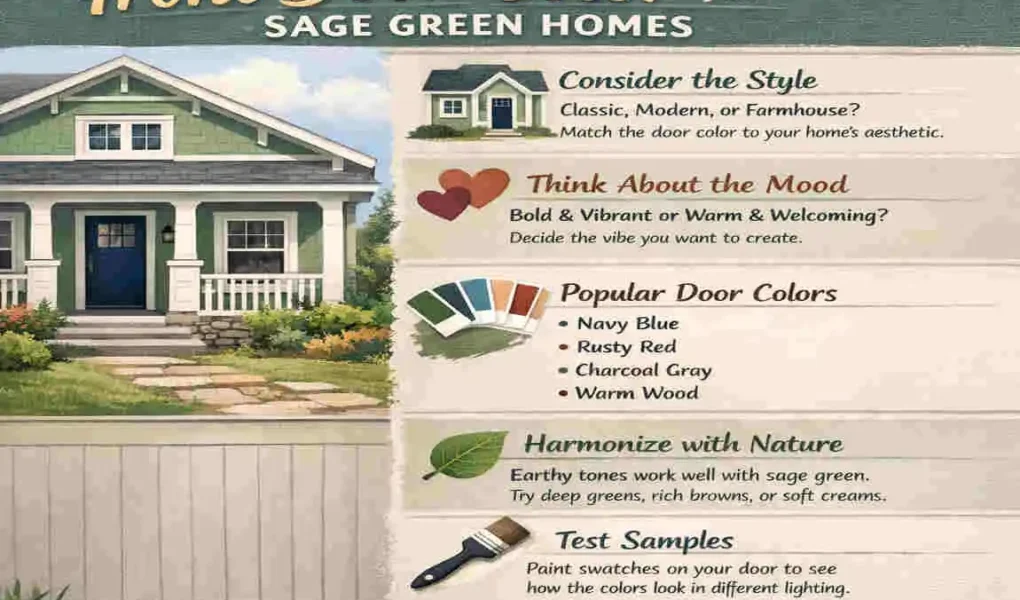
Your home style should guide the mood of the front door color.
- Modern homes often suit bold or dark colours, such as black, navy, or charcoal.
- Cottage homes usually feel best with charming, softer, or more welcoming shades.
- Traditional homes often look their strongest in timeless colours like white, black, or deep navy.
- Craftsman homes work beautifully with wood tones, earthy reds, and muted greens.
- Coastal homes may look fresh with white, soft blue, or pale neutral doors.
The color should feel like it belongs to the architecture, not just the paint palette.
Lighting and Environment
Natural light changes how sage green looks. This is easy to miss, but it matters a lot. A north-facing home often gets cooler light, so sage green may appear a bit more gray or blue. A south-facing home gets warmer light, which can make sage green appear softer and brighter.
That means the same front door color can look different from one home to another. A warm beige door may look beautiful in bright sun, but too dull in shaded light. A black door may feel elegant in strong sun, but very heavy in a darker setting.
Always think about how much light your entry area gets during the day.
Hardware and Fixtures
Your hardware matters more than people think. The finish on your door handle, house numbers, mailbox, and porch lights can either blend in or create another layer of contrast.
Common hardware finishes include:
- Black
- Brass
- Bronze
- Nickel
Black hardware looks clean and modern. Brass feels warm and classic. Bronze offers a rich, grounded look. Nickel feels brighter and more neutral.
Try to make the front door colour work with these details rather than ignoring them. When the small pieces match the larger picture, the whole exterior feels more intentional.
Best Front Door Colors for Sage Green Houses
Now let’s get into the colors that work best. This is the core of the decision, and it is where you can really shape your home’s personality.
The best front door colours for sage green house exteriors are those that balance the siding rather than compete with it. Some colors create strong contrast. Others create a soft, blended effect. Both can work beautifully.
Front Door Color Comparison Table
Front Door Color Design Effect Best For Overall Mood
Crisp White Clean contrast, fresh look Farmhouse, classic, cottage Bright, timeless
Black Bold and elegant Modern, traditional, transitional Strong, polished
Deep Navy Rich and balanced Cool sage homes, upscale exteriors Sophisticated
Warm Wood Stain Natural and earthy Craftsman, rustic, cottage Organic, warm
Charcoal Gray Soft contrast Modern and cool-toned homes Sleek, calm
Soft Beige or Taupe Gentle and cohesive Neutral, understated homes Quiet, inviting
Muted Red or Terracotta Warm and character-rich Cottage, Mediterranean, traditional Friendly, earthy
Olive or Moss Green Tonal and layered Nature-inspired homes Seamless, natural
Mustard or Warm Gold Distinctive and playful Creative, designer-style homes Bright, unique
Deep Burgundy or Wine Rich and classic Historic or formal homes Luxurious, timeless
Crisp White
White is one of the easiest choices for a sage green house. It feels clean, timeless, and fresh. If you want the front entry to look bright and open, white is a strong option.
It works especially well with white trim because it creates a crisp, polished look without feeling too busy. White also suits classic homes and farmhouse-style exteriors where the goal is simple charm.
The main benefit of white is contrast. Sage green is soft, so white gives it a clean frame. That contrast helps the front door stand out without feeling too heavy.
If your porch has dark accents, black lanterns, or simple landscaping, a white front door can keep the whole exterior feeling light and balanced.
Black
Black is a bold choice, but it is also one of the most reliable. A black front door adds instant elegance and gives a sage green house a sharp, confident look. It creates strong contrast and helps the entrance feel more defined.
This color works well with modern, transitional, and traditional homes. It also pairs nicely with black rooflines, black windows, or black hardware. If your exterior already has some dark features, a black front door can feel very natural.
Black can make a house look more expensive because it feels polished and intentional. It is simple, but not plain. It says the homeowner paid attention to the details.
If you want curb appeal with a clean edge, black is one of the best answers to the question: what colour front door for an exterior sage green house?
Deep Navy
Navy is a beautiful alternative to black. It still gives you depth and sophistication, but it feels a little softer and more refined. Navy works especially well with cool sage green because the undertones stay in the same family.
This color is a great choice if you want something classic but not too harsh. It has enough richness to feel special without overpowering the siding. Navy also looks good with brass hardware, white trim, and darker roof colors.
It suits traditional homes, coastal homes, and even some modern exteriors. If black feels too strong for your taste, navy may give you the balance you want.
Warm Wood Stain
A wood front door feels natural, warm, and deeply connected to sage green. This is one of the best options if you want an earthy exterior with a more organic feel.
Wood stain works especially well on craftsman, cottage, and rustic homes. It also looks beautiful with stone accents, wood porch columns, and bronze or black hardware.
The reason wood works so well is simple: sage green already feels grounded in nature. A wood front door extends that feeling. Instead of creating contrast, it creates harmony.
If you want your home to feel welcoming and layered, wood is a strong choice. It can also make the exterior feel richer without needing a bright color.
Charcoal Gray
Charcoal is softer than black but still strong enough to anchor the front entry. It gives the home a modern, polished look without feeling too stark.
This color works especially well with cool-toned sage exteriors. It also pairs nicely with darker roofs, black fixtures, and minimalist landscaping. If you want something clean and contemporary, charcoal is worth considering.
Charcoal is a smart middle ground. It gives you contrast, but not the full force of black. That makes it a good choice for homeowners who want a sleek look with less intensity.
Soft Beige or Taupe
If you want something subtle, soft beige or taupe can be lovely. These colors create a gentle, cohesive look and help the front door blend smoothly into the overall palette.
This option works best when the goal is understated elegance. It is ideal for homeowners who do not want a dramatic entrance but still want a thoughtful, well-designed look.
Taupe and beige can look especially nice with warm sage green and cream trim. They also pair well with natural materials like stone, wood, and neutral pavers.
The downside is that these colors can be too quiet if the rest of the exterior is already soft. If the front door and siding are too close in tone, the door may disappear a little. So be sure there is sufficient contrast throughout the entry area.
Muted Red or Terracotta
Muted red and terracotta bring warmth, personality, and a little charm. These colours feel earthy and grounded, making them a natural companion to sage green.
They work especially well with cottage, Mediterranean, and traditional homes. They can also add a warm, welcoming note to a more neutral exterior.
Terracotta feels rich without becoming too bright. Muted red has a classic quality and can make a sage green house feel more lived-in and memorable. If you want the front door to stand out in a friendly way, this is a strong option.
Olive or Moss Green
A green-on-green combination can be beautiful if done carefully. Olive or moss green creates a tonal, layered effect that feels calm and very nature-inspired.
This approach works best when you want the front door to blend into the house rather than pop out. It is ideal for homeowners who love earthy palettes and want a subtle, elegant exterior.
The key is to choose a shade that is distinct enough from the siding. If the colors are too close, the door may disappear. But when done well, the result feels rich, soft, and thoughtful.
Mustard or Warm Gold
Mustard or warm gold is a more playful option, but it can look amazing on the right home. It adds energy to a calm sage backdrop, creating a designer-style look that feels unique.
This works best for homeowners who are not afraid of colour and want the front door to reflect the house’s personality. It can look especially good on eclectic, cottage, or vintage-style homes.
Because sage green is already quiet and natural, a warm gold door can create a cheerful contrast without feeling too loud. The trick is to keep the shade muted rather than neon-bright.
Deep Burgundy or Wine
Burgundy is rich, classic, and a little dramatic in the best way. It gives a sage green house a luxurious feel and works especially well on traditional or historic-style homes.
This color feels elegant without being overly flashy. It has depth and warmth, so it pairs beautifully with bronze or brass hardware. Burgundy can also look especially polished next to white trim or stone accents.
If you want a front door that feels timeless and a little more formal, burgundy is a great choice.
Front Door Colors to Avoid or Use Carefully
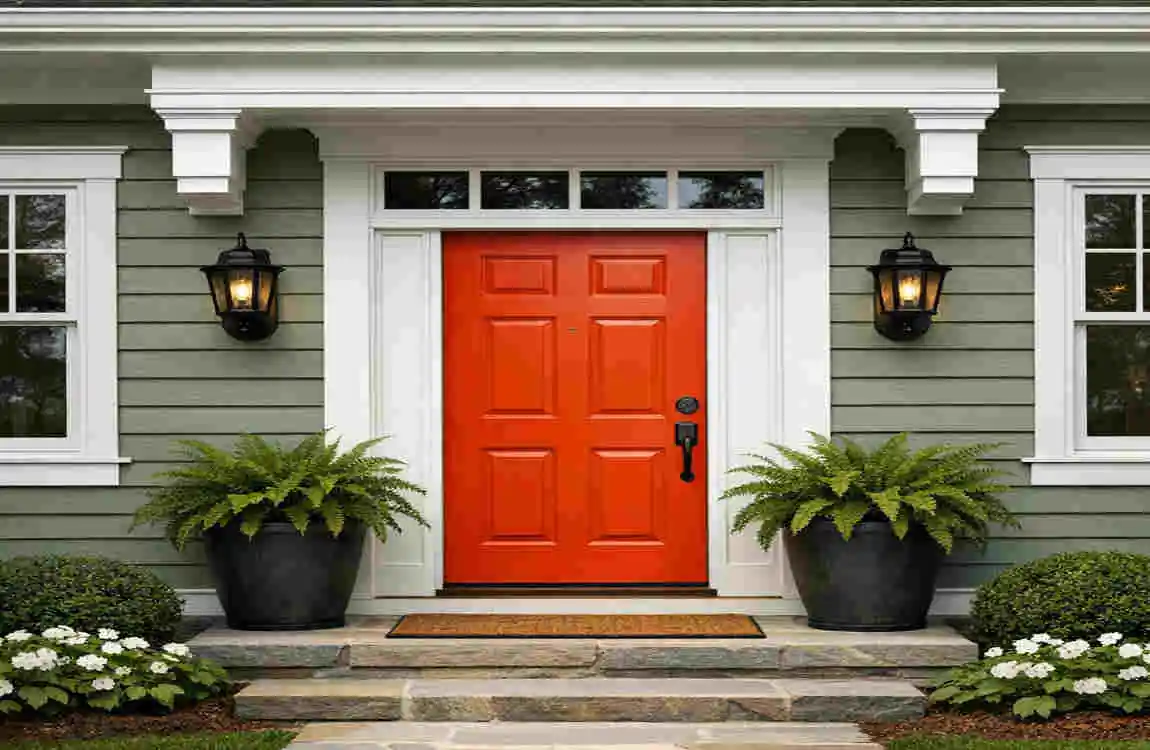
Not every color works well with sage green. Some shades create a mismatch in undertone or feel too bright against the siding’s softness.
Very bright neon colours can clash with sage green, making the exterior feel unbalanced. The same goes for overly intense orange or loud pastel pinks. Those colors tend to pull attention away from the home in a way that may not feel intentional.
You should also be careful with overly pale colours. If the front door is too close to the siding colour or too washed out, it may disappear rather than stand out. A front door should usually have enough presence to feel like a true focal point.
Be especially cautious with:
- Overly cool purple tones
- Bright orange
- Intense pastel pinks
These colours can sometimes work in very specific creative homes, but for most sage-green exteriors, they can feel out of place.
The goal is not just color. The goal is balance, contrast, and harmony. When those three things work together, the house feels more complete.
How to Match the Front Door Color to Your Home’s Personality
Once you understand the colour options, the next step is choosing the mood you want your home to convey. Think of the front door as a personality statement. It does not need to shout, but it should speak clearly.
For a Modern Look
If you want a modern look, lean into darker, cleaner colours. These shades usually create a stronger sense of structure and sophistication.
Best choices:
- Black
- Charcoal
- Navy
These colors work well with straight lines, simple landscaping, black hardware, and minimal porch decor. They give the exterior a crisp edge and make the entrance feel current.
For a Soft, Welcoming Look
If your goal is warmth and comfort, choose colors that feel gentle and easy on the eye.
Best choices:
- Beige
- Cream
- Warm wood
These shades help the house feel approachable and calm. They are especially good for homes with soft landscaping, natural textures, or cottage-style charm.
For a Bold, Stylish Look
If you want the exterior to feel more memorable, consider a richer color that adds personality.
Best choices:
- Burgundy
- Terracotta
- Mustard
These colors give the home character without losing connection to the sage green siding. They are great if you want the front entry to feel like a design feature.
For a Natural, Earthy Look
If you love a grounded, organic style, choose colours that feel at home outdoors.
Best choices:
- Olive
- Wood stain
- Taupe
These options make the whole exterior feel connected to nature. They work especially well with stone, wood, and garden-heavy landscaping.
For a Classic Look
If you want your home to feel timeless, choose traditional colours with lasting appeal.
Best choices:
- White
- Black
- Dark navy
These colors rarely go out of style. They suit many home types and often work well if you are also thinking about resale value.
Testing Front Door Colors Before You Paint
It is tempting to pick a colour from a paint chip and move on, but doing so can lead to disappointment. Front door colors can look very different outdoors than they do inside a store.
The best approach is to test the color in real life.
Here’s a simple process you can follow:
- Paint sample boards in your top choices.
- Place them outside near the front door.
- Check them at different times of day to see how the light changes them.
- Compare them with the siding, trim, roof, and porch flooring.
- If possible, use peel-and-stick samples so you can move them around easily.
This step matters because exterior color is influenced by light, shadow, and nearby materials. A color that looks soft and warm in the morning may feel cooler by afternoon. A color that seems elegant in a photo may look too dark in real sunlight.
Also remember that the front door is part of the full exterior palette, not a standalone choice. It needs to work with everything around it.
If you take the time to test, you are far more likely to love the result.
Styling Tips to Complete the Look
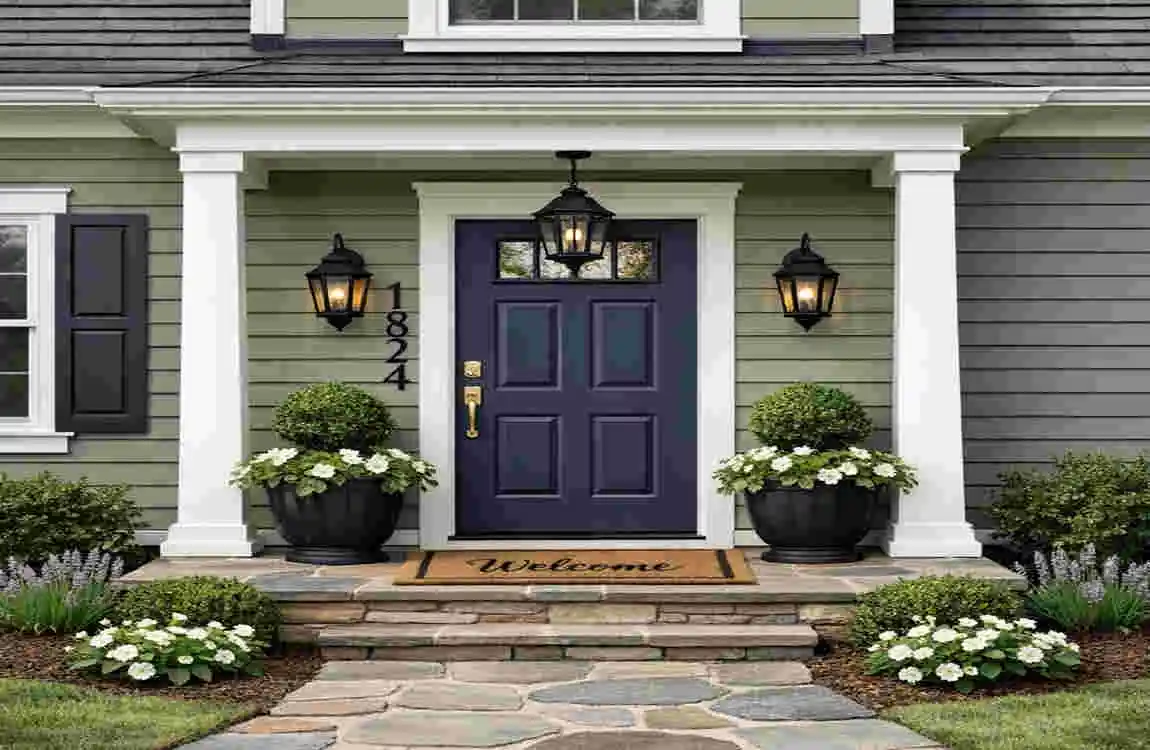
Once you choose the front door color, the rest of the entry should support it. Small details can make a big difference.
A wreath or seasonal decoration can add warmth and tie the entry together. Just make sure the colours don’t clash with the door. For example, a natural wreath with muted greens and neutrals will usually work well with sage siding.
Your doormat should also fit the palette. A black, tan, charcoal, or natural fiber mat often works best. Avoid patterns that are too busy unless the rest of the porch is very simple.
Porch furniture should feel in sync with the exterior tone. Wicker, wood, black metal, and neutral cushions usually work beautifully with sage green homes.
Natural planters are another smart choice. Terra-cotta pots, stone planters, woven baskets, and wooden containers can all enhance the earthy feel of the exterior.
You can also coordinate accent colors in small places like:
- Shutters
- House numbers
- Railing
- Porch ceiling
Keep these details consistent with the front door and trim. That does not mean everything must match exactly. It just means the colors should feel like they belong together.
A well-styled entry does more than look nice. It makes the home feel cared for.
Frequently Asked Questions
What is the best front door color for a sage green house?
The best front door color depends on your style and the look you want. That said, black, navy, wood, and white are usually the safest and most attractive choices. They offer strong curb appeal and work with many sage green exteriors.
Does a wood front door go with sage green siding?
Yes, absolutely. Wood looks especially good with sage green if you want a natural, warm, organic look. It works beautifully on craftsman, cottage, and rustic homes. Wood also pairs well with stone, bronze hardware, and earthy landscaping.
Is black too harsh for a sage green exterior?
Usually, no. Black often creates a polished, striking contrast that appears very intentional. It can feel bold, but it is rarely a bad choice. If your home has white trim or black fixtures, black may actually be one of the best options.
Which front door colour makes a sage-green house look more expensive?
Colors like black, navy, wood stain, and burgundy often give a home a more elevated feel. They look rich, timeless, and thoughtfully chosen. Of course, the full exterior matters too, but these colors often create a more refined impression.
Should the front door match the trim?
Not necessarily. The front door does not have to match the trim, but it should coordinate with the full exterior palette. Sometimes matching works well, especially in classic homes. In other cases, contrast yields better results.
| Front Door Color | Look It Creates | Best For |
|---|---|---|
| Black | Bold, modern, high-contrast | Clean, timeless curb appeal |
| White | Crisp, bright, classic | Farmhouse and traditional homes |
| Navy Blue | Sophisticated, balanced | Elegant and versatile exteriors |
| Wood Stain | Warm, natural, organic | Cottage, craftsman, rustic styles |
| Charcoal Gray | Sleek, subtle, modern | A softer alternative to black |
| Terracotta / Muted Red | Warm, inviting, distinctive | Homes with earthy, Mediterranean feel |