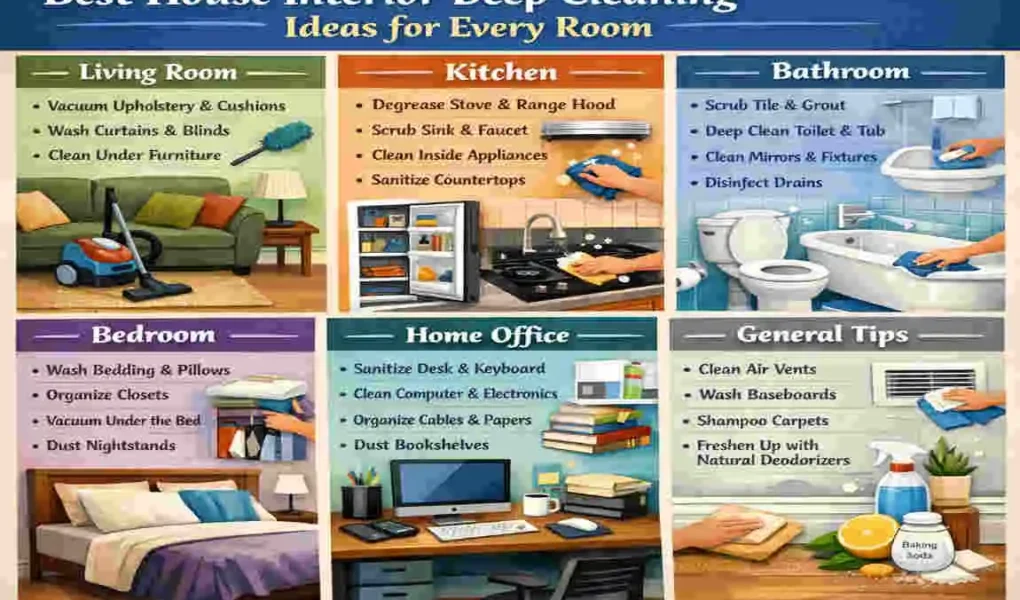
If you want a home that feels fresher, healthier, and more comfortable, house interior deep-cleaning ideas can help a lot. Regular cleaning keeps things tidy, but deep cleaning goes further. It removes dust, grime, buildup, and hidden dirt that everyday cleaning often misses.
This is especially useful if your home feels stuffy, dusty, or simply not as clean as it should be. Deep cleaning also helps your furniture, floors, and appliances last longer. Most importantly, it makes your home a better place to live.
What Is Interior Deep Cleaning?
Deep Cleaning vs. Regular Cleaning
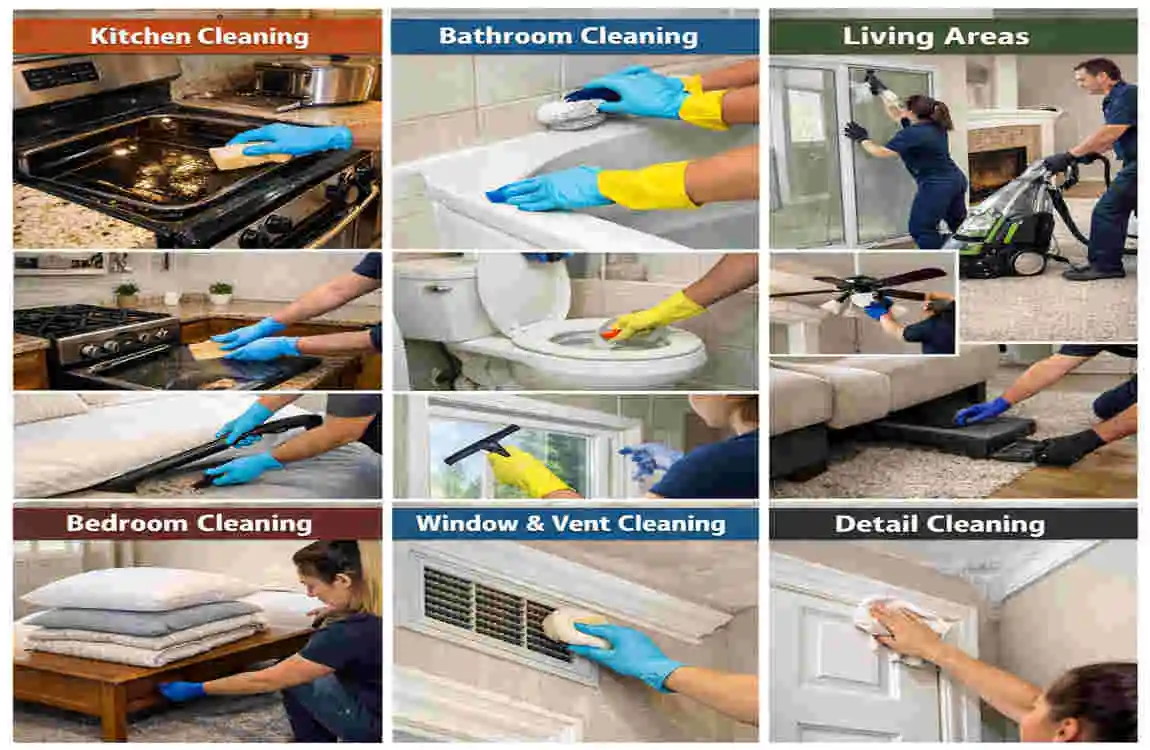
Regular cleaning handles the basics. You sweep, wipe, mop, and put things away. It keeps your home presentable from day to day.
Deep cleaning goes much further. It targets areas such as baseboards, vents, behind furniture, inside appliances, and other spots that accumulate dirt over time. These are the areas most people skip during normal cleaning.
Why Every Home Needs Deep Cleaning
Deep cleaning matters because it improves air quality, removes hidden dirt, and helps prevent mold and bacteria from building up.
It also makes your home look brighter and feel more organized. When dust and grime are gone, everything feels fresher and more welcoming.
Essential Supplies Before You Start
Basic Cleaning Tools
Before you begin, gather a few simple tools:
- Microfiber cloths
- Vacuum cleaner
- Mop and bucket
- Soft brushes
- Gloves
- Extendable duster
These tools make the job easier and help you clean more thoroughly.
Recommended Cleaning Products
You do not need a huge list of products. A few basics are enough:
- Multi-purpose cleaner
- Glass cleaner
- Disinfectant
- Baking soda
- White vinegar
- Dish soap
These can handle most rooms safely.
House Interior Deep Cleaning Ideas for the Living Room
Clean Upholstered Furniture
Start with sofas, chairs, and cushions. Vacuum the fabric well to remove crumbs, dust, and pet hair.
If you notice stains, clean them right away with a suitable spot cleaner. This keeps the fabric looking fresh and helps the furniture last longer.
Dust Hidden Areas
Living rooms collect dust in places people often forget. Focus on ceiling fans, shelves, picture frames, and electronics.
Use an extendable duster for high places and a microfiber cloth for smaller surfaces. This step makes a big difference.
Wash Curtains and Blinds
Curtains and blinds trap dust easily. If they can be washed, clean them according to the fabric type.
For blinds, wipe each slat carefully. Clean window coverings can instantly make the room feel fresher.
Deep Clean Carpets and Rugs
Carpets and rugs hold dust, dirt, and odors. Vacuum slowly and thoroughly, especially in corners and under furniture.
If needed, use a carpet cleaner or baking soda to freshen the fabric.
Disinfect Frequently Touched Surfaces
Light switches, remote controls, and table edges are often touched. Wipe them with a disinfectant so the room feels cleaner and more hygienic.
House Interior Deep Cleaning Ideas for the Kitchen
Clean Kitchen Cabinets Inside and Out
Kitchen cabinets collect grease, crumbs, and fingerprints. Empty them one by one and wipe the inside and outside surfaces.
This is a good time to throw away expired items and reorganize your storage.
Degrease Walls and Backsplash
Cooking leaves grease on walls and backsplash areas. Use warm water, dish soap, or a grease cleaner to remove buildup.
Focus on the areas behind the stove and sink, where grime collects fastest.
Deep Clean Appliances
Appliances need extra attention because they are used every day.
Clean these areas:
- Refrigerator
- Oven
- Microwave
- Dishwasher
Remove crumbs, wipe the shelves, and clean the handles and buttons, too.
Sanitize Countertops
Countertops should be wiped daily, but during deep cleaning, sanitize them more thoroughly.
This helps remove bacteria and keeps food prep areas safe.
Clean Sink and Garbage Disposal
Scrub the sink with baking soda and rinse well. If you have a garbage disposal, clean it carefully to reduce odors.
A clean sink can make the whole kitchen feel fresher.
Mop and Disinfect Floors
Kitchen floors collect grease, crumbs, and spills. Sweep first, then mop with a floor-safe cleaner.
Do not forget the corners and the area under the cabinets, if possible.
Deep Cleaning Ideas for Bedrooms
Wash Bedding and Pillows
Start with the bed. Wash sheets, pillowcases, blankets, and any washable covers.
Fresh bedding instantly improves how the room feels. If pillows are washable, clean them too.
Rotate and Vacuum Mattress
Vacuum the mattress to remove dust and particles. If needed, sprinkle baking soda on it first and vacuum it after a short wait.
Rotate the mattress if possible so it wears more evenly.
Organize Closets
Closets often become cluttered over time. Remove items you no longer need and group the rest by type or season.
A cleaner closet makes the whole bedroom feel more peaceful.
Dust Furniture Thoroughly
Dust dressers, nightstands, headboards, and shelves. Do not forget the backs and sides of furniture.
Clean Windows and Mirrors
Use glass cleaner or a vinegar-water solution to remove fingerprints and streaks. Clean windows make the room look brighter right away.
House Interior Deep Cleaning Ideas for Bathrooms
Remove Soap Scum
Soap scum builds up on sinks, tubs, and shower walls. Use a bathroom cleaner or a vinegar-based solution to break it down.
This is one of the most important bathroom cleaning jobs.
Disinfect Toilet Completely
Clean the toilet inside, outside, under the seat, and around the base. Use a disinfectant and scrub brush for a full clean.
Clean Shower Doors and Tiles
Glass shower doors and tiles often collect water spots and grime. Scrub them carefully and rinse well.
Wash Bathroom Cabinets
Bathroom cabinets can collect dust, spills, and moisture marks. Empty and wipe them before putting items back.
Sanitize Faucets and Handles
Faucets, drawer handles, and towel bars should be disinfected because they are touched often.
Eliminate Mold and Mildew
Look at corners, grout lines, and damp spots. If you spot mold or mildew, clean it early before it spreads.
Deep Cleaning the Dining Room
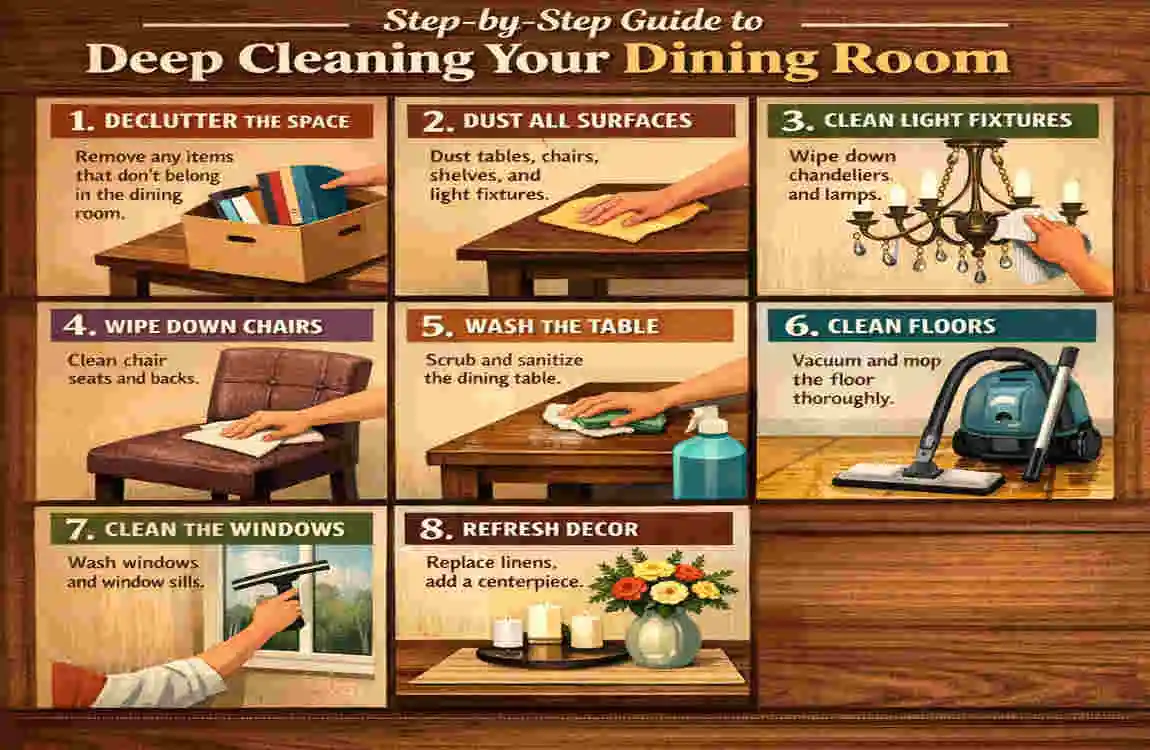
Polish Dining Table
Dust and polish the table surface. If it has a wood finish, use a product that suits it.
Clean Dining Chairs
Vacuum chair cushions and wipe the legs and frames. If chairs are upholstered, spot clean any stains.
Dust Decorative Items
Centerpieces, shelves, and wall decor can quickly gather dust. Clean them gently so the room stays polished.
Wash Light Fixtures
Light fixtures often get overlooked. A quick dusting or wipe can improve the whole room.
Deep Cleaning Hallways and Entryways
Clean Doors
Wipe down doors, especially around handles and lower sections where fingerprints and dirt collect.
Wipe Baseboards
Baseboards are small but important. Dust and dirt often build up along these edges.
Vacuum Entry Mats
Entry mats trap dirt from outside. Shake them out and vacuum them well.
Dust Wall Decorations
Hallways often hold frames, mirrors, or decor pieces. Keep them dust-free so the space looks neat.
Don’t Forget These Hidden Areas
Some of the best house interior deep-cleaning ideas involve places people completely forget.
- Air vents
- Ceiling corners
- Light switches
- Door handles
- Behind furniture
- Under beds
- Window tracks
- Behind appliances
Cleaning these areas makes your home feel much more complete and fresh.
Eco-Friendly House Interior Deep Cleaning Ideas
Vinegar Cleaning Solutions
Vinegar works well for glass, some counters, and light grime. It is a simple and affordable cleaning option.
Baking Soda for Tough Stains
Baking soda is great for scrubbing sinks and tubs and for removing odors. It is gentle but effective.
Lemon for Fresh Smell
Lemon can help freshen surfaces and remove light smells. It is especially nice in kitchens and bathrooms.
Natural Disinfecting Tips
If you want a simpler routine, use mild soap, vinegar, or baking soda in the right places. These can reduce the need for harsh cleaners in many situations.
Deep Cleaning Checklist for Every Room
Room Main Tasks Recommended Frequency
Living Room Vacuum, dust, furniture cleaning Monthly
Kitchen Appliances, cabinets, countertops Monthly
Bathroom Tiles, toilet, shower Weekly to Monthly
Bedroom Mattress, closet, bedding Monthly
Dining Room Furniture, lighting Monthly
Hallway Doors, baseboards Monthly
Common Deep Cleaning Mistakes to Avoid
Using Too Much Cleaner
More cleaner does not always mean better cleaning. Too much can leave residue and make surfaces sticky.
Ignoring Ventilation
Open windows or use airflow when possible. Good ventilation helps surfaces dry faster and keeps the room from feeling heavy.
Forgetting High-Touch Surfaces
Handles, switches, remotes, and faucets should not be skipped. These spots collect germs quickly.
Cleaning from Bottom to Top
Always clean from top to bottom so dust falls onto areas you have not cleaned yet.
Mixing Chemicals
Never mix cleaning products unless you know they are safe together. Some combinations can create harmful fumes.
Professional Tips for Faster Deep Cleaning
Here are a few easy ways to save time:
- Work room by room
- Start high and move downward
- Declutter first
- Use microfiber cloths
- Let products sit before wiping
- Follow a seasonal schedule
These habits help you clean faster and more efficiently.
Benefits of Regular Interior Deep Cleaning

Regular deep cleaning gives you several long-term benefits:
- Healthier indoor environment
- Better air quality
- Longer-lasting furniture and flooring
- Less dust and fewer allergens
- A fresher-smelling home
- Easier daily maintenance
- Better overall organization
It is easier to keep a home clean when you deep-clean often.
Frequently Asked Questions
What are the best deep-cleaning ideas for the interior of a house?
The best ideas include cleaning room by room, disinfecting high-touch surfaces, washing fabrics, and removing dust from hidden areas.
How often should I deep clean my house?
Most homes do well with a full deep clean every 3 to 6 months, with bathrooms and kitchens needing more frequent care.
What is the difference between regular cleaning and deep cleaning?
Regular cleaning handles visible mess. Deep cleaning reaches hidden dirt, dust, and buildup.
Can I deep clean my house naturally?
Yes. Vinegar, baking soda, lemon, and mild dish soap work well for many tasks.
Which room should I deep clean first?
Start with the room that needs the most work, usually the kitchen or bathroom.
What cleaning tools are essential for deep cleaning?
A vacuum cleaner, microfiber cloths, a mop, scrub brushes, gloves, disinfectant, and an extendable duster are very useful.
| Room | Deep Cleaning Ideas | Benefits |
|---|---|---|
| Living Room | Vacuum carpets, clean upholstery, dust ceiling fans, wipe walls and baseboards | Removes dust, allergens, and improves air quality |
| Kitchen | Degrease cabinets, sanitize countertops, clean oven, refrigerator, and sink | Eliminates bacteria, grease, and food odors |
| Bathroom | Scrub tiles, disinfect toilet, clean grout, polish mirrors, sanitize faucets | Prevents mold, mildew, and harmful germs |
| Bedroom | Wash bedding, vacuum mattress, dust furniture, organize closets | Creates a healthier and more relaxing sleeping space |
| Dining Room | Clean dining table, chairs, light fixtures, and polish wood surfaces | Keeps the dining area fresh and inviting |
| Home Office | Dust electronics, disinfect desk, organize paperwork, vacuum floors | Improves productivity and reduces dust buildup |
| Laundry Room | Clean washing machine, dryer vent, shelves, and mop the floor | Prevents odors and improves appliance efficiency |