what year did pex home plumbing start
Plumbing

What Year Did PEX Plumbing Revolutionize Homes? 1980s Origins Popularity

PEX plumbing changed the way homes are built and repaired. It made plumbing faster, simpler, and often more affordable. That is why so many homeowners ask, “What year did PEX home plumbing start?” when they hear about it for the first time.

Era Key Milestone
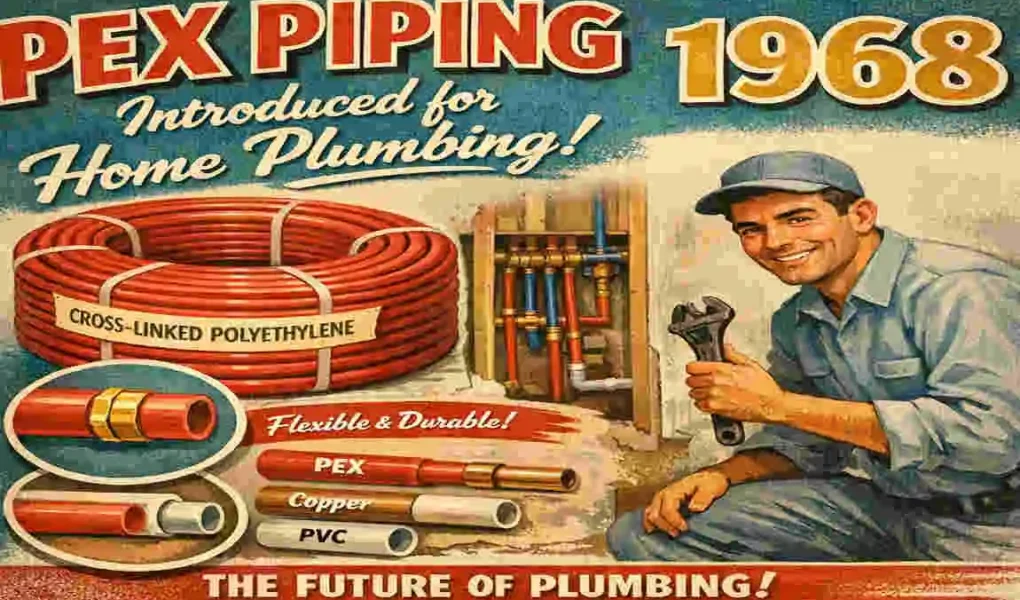
1968 PEX developed by German scientist Dr. Thomas Engel
1970s Gained popularity in Europe for radiant floor heating
1980s First entered U.S. homes; 1984: first U.S. patent issued
1990s Building codes approved PEX for potable water; gained traction in America
2000s Became mainstream; over 60% of new U.S. homes now use PEX

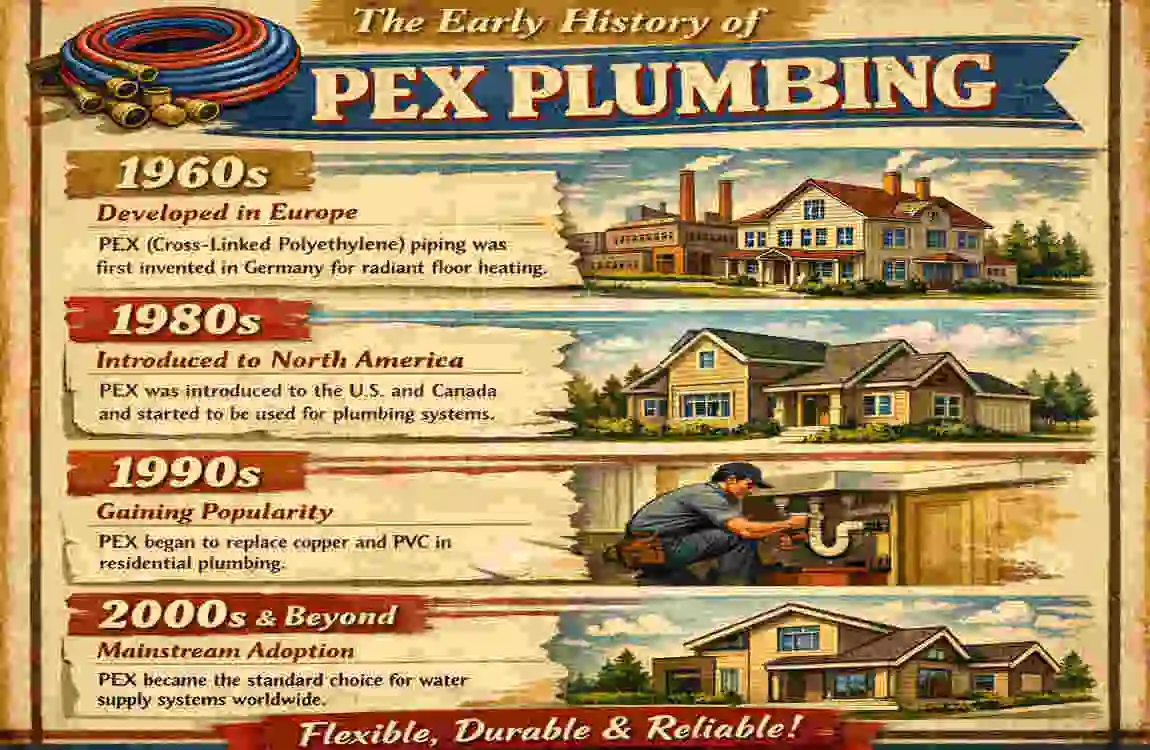
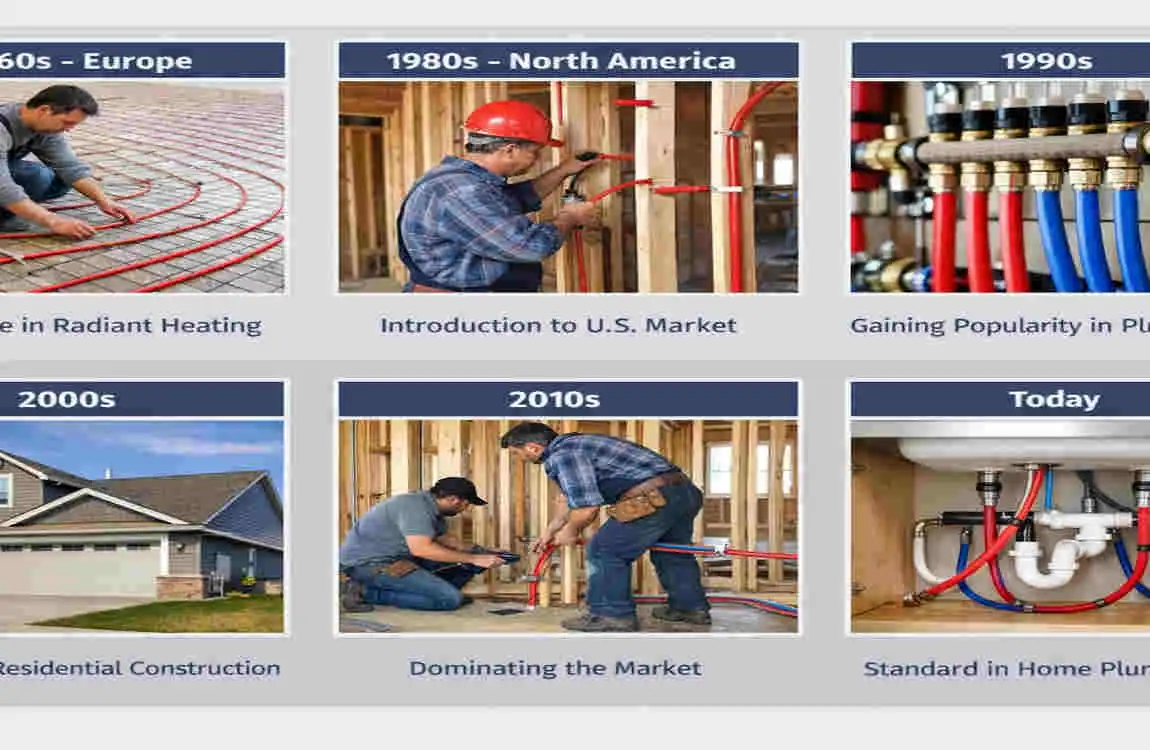
The short answer is this: PEX began in the 1960s, started appearing in homes in the 1980s, and became widely popular in the United States during the 1990s and early 2000s.

What Is PEX Plumbing?

what year did pex home plumbing start

Definition of PEX

PEX stands for cross-linked polyethylene. In simple words, it is a flexible plastic pipe used in plumbing systems.

It is commonly used for:

  • Hot water lines
  • Cold water lines
  • Radiant floor heating

People like PEX because it bends easily, so plumbers need fewer fittings or joints. That makes installation quicker and often reduces the risk of leaks.

How PEX Differs From Traditional Plumbing

PEX is very different from older pipe materials like copper, galvanized steel, and CPVC.

  • Copper is strong and durable, but it costs more and takes longer to install.
  • Galvanized steel is older and can rust over time.
  • CPVC is another plastic option, but it is less flexible than PEX.

Simple Comparison Table

Material, Flexible, Corrosion Resistant, Installation Cost, Lifespan

PEX Yes Yes Low 40–50 Years

Copper No Moderate High 50+ Years

CPVC Limited Yes Medium 25–40 Years

What Year Did PEX Home Plumbing Start?

The Origins of PEX in the 1960s

If you are asking when PEX home plumbing began, the story starts in the 1960s. PEX was developed in Europe, and German scientist Thomas Engel is often credited with early work in this area.

At first, PEX was not a common plumbing material for homes. It was mostly an experimental and technical product. But the idea was promising: make plastic stronger by cross-linking it so it could handle heat and pressure better.

PEX Arrives in Residential Homes During the 1980s

PEX started entering residential homes in the 1980s. Before that, it was already more common in Europe than in North America.

Early home use included:

  • Radiant floor heating
  • Residential water supply systems

This was an important step. It showed that PEX could work well in real homes, not just in testing or special projects.

PEX Expansion in the United States During the 1990s

In the 1990s, PEX began to spread much faster in the United States. Several things helped it grow:

  • Building codes started to allow it more widely
  • Builders looked for cheaper, faster plumbing options
  • Copper prices rose, making PEX more attractive

This is when many people began asking, “When did PEX become popular?’ The answer is mostly the 1990s, with even bigger growth in the early 2000s.

Why Many People Associate PEX With the Early 2000s

By the early 2000s, PEX had become a common sight in new homes. Contractors liked it because it saved time. Homeowners liked it because it lowered plumbing costs.

So, while PEX was invented in the 1960s, the real home-plumbing boom happened later.

Why Did PEX Plumbing Become So Popular?

what year did pex home plumbing start

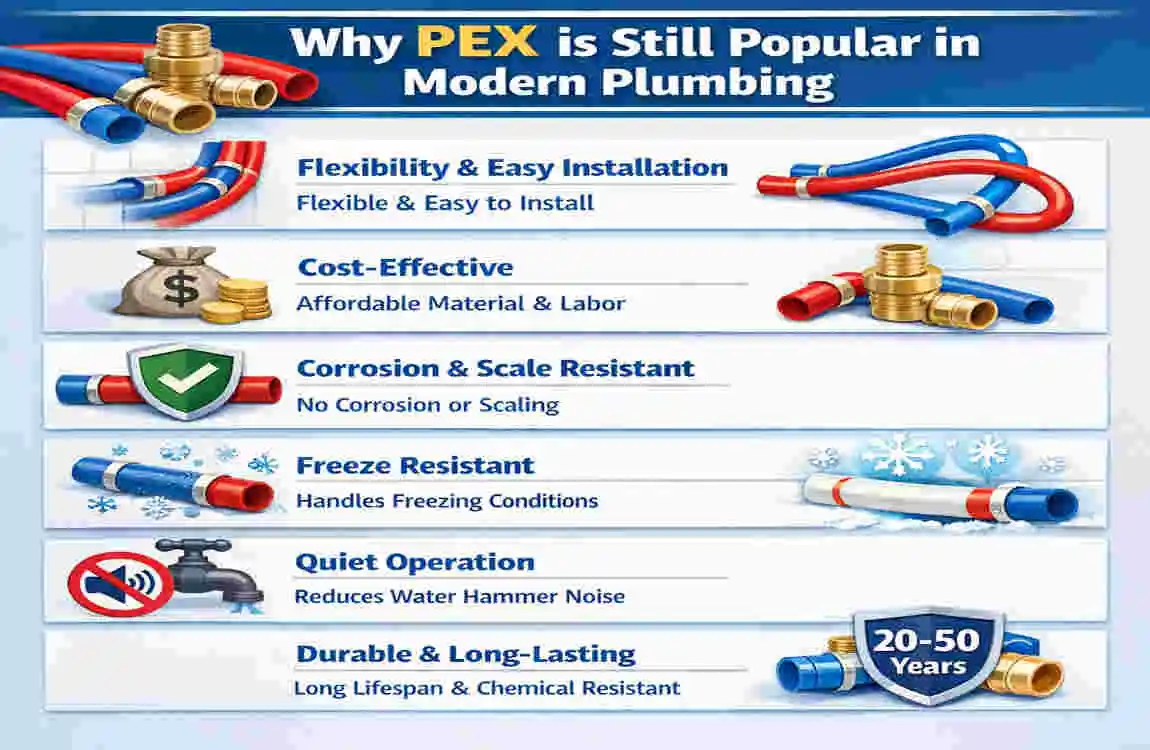
Lower Installation Costs

PEX usually costs less to install than copper. Why?

  • It needs fewer fittings
  • Labor time is shorter
  • Material costs are often lower

For builders, those savings add up quickly.

Flexibility and Easy Installation

PEX is easy to bend around corners. That means fewer connections and fewer places where leaks can happen.

It also makes remodeling easier. In many cases, plumbers can run PEX through tight spaces without major wall damage.

Better Freeze Resistance

One big reason homeowners like PEX is that it handles freezing better than many rigid pipes. It can expand slightly, reducing the risk of bursting.

That does not mean it is freeze-proof, but it often performs better than copper in cold conditions.

Corrosion Resistance

Unlike metal pipes, PEX does not rust. It also handles hard water better in many situations. That helps it stay cleaner inside over time.

Energy Efficiency Benefits

PEX can also help with hot water delivery because it holds heat well during transport. In some homes, that means less heat loss and better efficiency.

How PEX Plumbing Changed Modern Homes

Faster New Home Construction

PEX helped builders finish plumbing work much faster. Instead of cutting and joining many rigid pipes, they could run long flexible lengths through the home.

That changed how homes were designed and built.

Improved DIY Plumbing Repairs

PEX also became popular with homeowners who like to do repairs themselves. With the right tools, many small plumbing jobs became easier to manage.

Safer Water Systems

Because PEX resists corrosion, it can reduce some problems seen in older plumbing systems. That includes pipe decay and mineral buildup.

Growth of Manifold Plumbing Systems

PEX also made manifold systems more common. These are sometimes called home-run systems because each fixture gets its own direct line.

This can help with:

  • Better water flow control
  • Easier shut-off for repairs
  • More organized plumbing layouts

Different Types of PEX Plumbing Explained

PEX-A

PEX-A is the most flexible type. It is often considered the highest-end option and has strong freeze resistance.

PEX-B

PEX-B is the most common type in homes. It is durable, affordable, and widely used.

PEX-C

PEX-C is less flexible and less common. It is usually used in lighter-duty applications.

Comparison Table

Type Flexibility Cost Durability Best Use

PEX-A High , Higher , Excellent , Premium installs

PEX-B Moderate Affordable Very Good Most homes

PEX-C Lower Budget Good Light-duty use

Is PEX Plumbing Safe for Homes?

Drinking Water Safety

Yes, PEX plumbing is considered safe for drinking water when installed in accordance with proper plumbing standards. Certified products are tested for water use and safety.

Common Concerns About PEX

Some people worry about:

  • A slight taste or odor at first
  • Sensitivity to UV light
  • Damage from rodents in some settings

These concerns are real, but they are usually manageable with proper installation and care.

What Experts Say About PEX Longevity

Most PEX systems are expected to last 40 to 50 years or more. As always, installation quality matters a lot. Good products and correct fittings make a big difference.

Common Problems With Early PEX Systems

Early Fitting Failures

Some early systems had problems with brass fittings. In a few cases, the metal parts wore down over time in certain water conditions.

Poor Installation Practices

Many issues came from bad installation, not the pipe itself. Common mistakes included:

  • Improper crimping
  • Leaving the pipe exposed to sunlight
  • Using the wrong fittings

Why Modern PEX Systems Are More Reliable

Today, PEX systems are better than the early versions. Standards improved, fittings improved, and installers learned more over time.

That is one reason modern PEX is much more trusted than it once was.

PEX vs Copper Plumbing: Which Is Better Today?

Cost Comparison

PEX is usually cheaper than copper. That makes it attractive for new builds and larger projects.

Durability Comparison

Copper can last longer in some cases, but PEX offers great long-term performance when installed well.

Water Quality Differences

Copper is a metal that can be affected by corrosion. PEX does not rust, which is a big plus.

Installation Difficulty

PEX is much easier to install. It is flexible, lighter, and faster to work with.

Best Choice for Modern Homes

For many homes, PEX is the better all-around choice because it balances cost, speed, and performance.

Comparison Table

Feature PEX Copper

Cost Lower Higher

Installation Easier, More Difficult

Freeze Resistance Better Poor

Corrosion Resistant Can Corrode

Lifespan 40–50 Years 50+ Years

Does Every Modern Home Use PEX Plumbing?

Where PEX Is Most Common

PEX is now very common in:

  • Residential homes
  • Apartment buildings
  • Home renovations

Where Copper Is Still Preferred

Copper is still used in some places, especially where:

  • Pipes are exposed to sunlight
  • Local building codes require it
  • Commercial systems need specific pipe performance

So no, not every home uses PEX, but it is one of the most common choices today.

Signs Your Home Has PEX Plumbing

what year did pex home plumbing start

Pipe Colors Explained

PEX pipes often come in different colors:

  • Red = hot water
  • Blue = cold water
  • White = general use

Where to Check in Your Home

Look in these places:

  • Basement
  • Utility room
  • Near the water heater

If you see flexible plastic pipes instead of rigid metal ones, you likely have PEX.

Future of PEX Plumbing in Residential Construction

PEX is not slowing down. In fact, it may become even more common as homes become more efficient and easier to maintain.

Smart Plumbing Integration

Future homes may use smarter water systems with leak detection and better control. PEX works well with these modern setups.

Continued Popularity in New Builds

Builders still choose PEX because it saves time and reduces labor costs.

Eco-Friendly Plumbing Trends

As homeowners seek more efficient energy use and less waste, PEX aligns well with modern goals.

Frequently Asked Questions

What year did PEX home plumbing start?

PEX home plumbing started in the 1980s, though the material itself was developed in the 1960s.

When did PEX become popular in the United States?

PEX became widely popular in the 1990s and continued to grow in the early 2000s.

Is PEX better than copper plumbing?

For many homes, yes. PEX is cheaper, easier to install, and more freeze-resistant. Copper still lasts a long time, though.

How long does PEX plumbing last?

A well-installed PEX system can last 40 to 50 years or more.

Can PEX pipes freeze and burst?

PEX handles freezing better than rigid pipes, but it can still be damaged in extreme conditions.

Is PEX plumbing safe for drinking water?

Yes, when it is properly certified and installed.

Why do plumbers prefer PEX?

Plumbers like PEX because it is faster to install, flexible, and cost-effective.

What are the disadvantages of PEX plumbing?

Possible downsides include UV sensitivity, rodent damage in some areas, and early fitting issues in older systems.

You may also like...

Leave a Reply

Your email address will not be published. Required fields are marked *