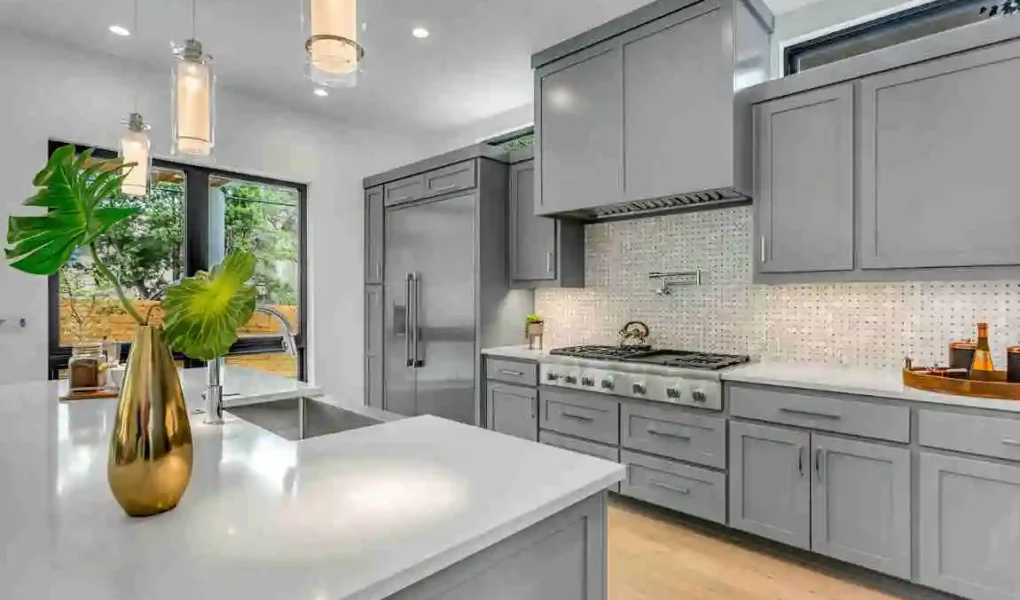
Kitchen cabinets play a major role in your home’s overall appearance. Even if your countertops and flooring look modern, outdated cabinets can make the entire kitchen feel old and dull. That is why many homeowners now choose cabinet painting instead of spending thousands on full cabinet replacements.
One question comes up often during a kitchen makeover: Do you paint the inside of cabinet doors? Some people only paint the visible exterior surfaces. In contrast, others want every inch of the cabinets to look fresh and updated.
Painting cabinet interiors may seem like a small detail. Still, it can completely change the feel of your kitchen or bathroom. Clean and bright cabinet interiors create a more polished appearance. They also make storage spaces feel larger, cleaner, and more modern.
Why Homeowners Are Painting the Inside of Cabinets
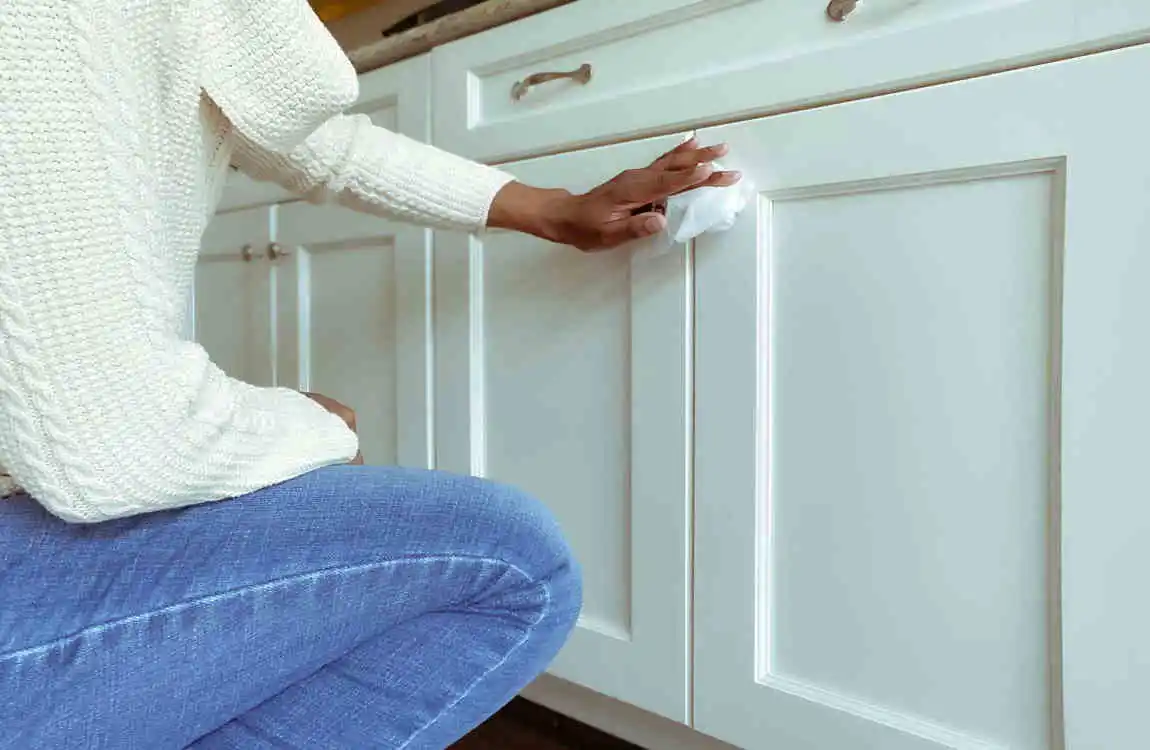
The Rise of DIY Cabinet Makeovers
DIY home improvement projects have become extremely popular over the last few years. Many homeowners want affordable ways to update their kitchens without doing a full remodel.
Replacing cabinets can cost thousands of dollars. Painting them, however, is much cheaper and still creates a dramatic transformation.
Social media has also inspired many homeowners to try cabinet painting projects themselves. Modern kitchens with bright painted cabinet interiors have become a major trend.
People now want cabinets that look clean on the inside and the outside.
Benefits of Painting Cabinet Interiors
Painting cabinet interiors offers several benefits beyond appearance.
Cleaner Look
Fresh paint covers stains, scratches, and dark wood finishes. This instantly makes cabinets look newer and cleaner.
Brighter Storage Space
Light-colored interiors reflect more light. You can see dishes, spices, and cookware more easily.
Added Protection
Paint helps protect cabinet surfaces from:
- Moisture
- Grease
- Food stains
- Daily wear
Better Home Value
Updated kitchens are attractive to buyers. Painted cabinets can improve the overall impression of your home.
When Interior Cabinet Painting Makes the Biggest Difference
Some kitchens benefit more from painted interiors than others.
You may notice the biggest improvement if you have:
- Glass-front cabinets
- Open shelving
- Dark wood interiors
- Older stained cabinets
- Small kitchens with limited light
These situations make cabinet interior paint ideas especially effective.
Do You Paint the Inside of cabinet doors?
The Short Answer
The answer depends on your goals, budget, and the condition of your cabinet.
Many homeowners ask, “Do you paint the inside of cabinet doors during a remodel, as they want a complete, professional finish.
If you want your cabinets to look fully updated, painting the inside surfaces is usually worth it.
However, some people skip interior painting to save time and money.
Pros of Painting Inside Cabinet Doors
Painting cabinet interiors offers many advantages.
Creates a Finished Look
When both sides of the cabinet doors are painted, the kitchen looks more complete and high-end.
Improves Brightness
Lighter interiors help cabinets feel cleaner and more spacious.
Covers Damage
Old cabinets often have:
- Water stains
- Yellowing
- Scratches
- Grease marks
Paint easily hides these flaws.
Easier Cleaning
Smooth painted surfaces are easier to wipe down than unfinished wood.
Cons of Painting Inside Cabinet Doors
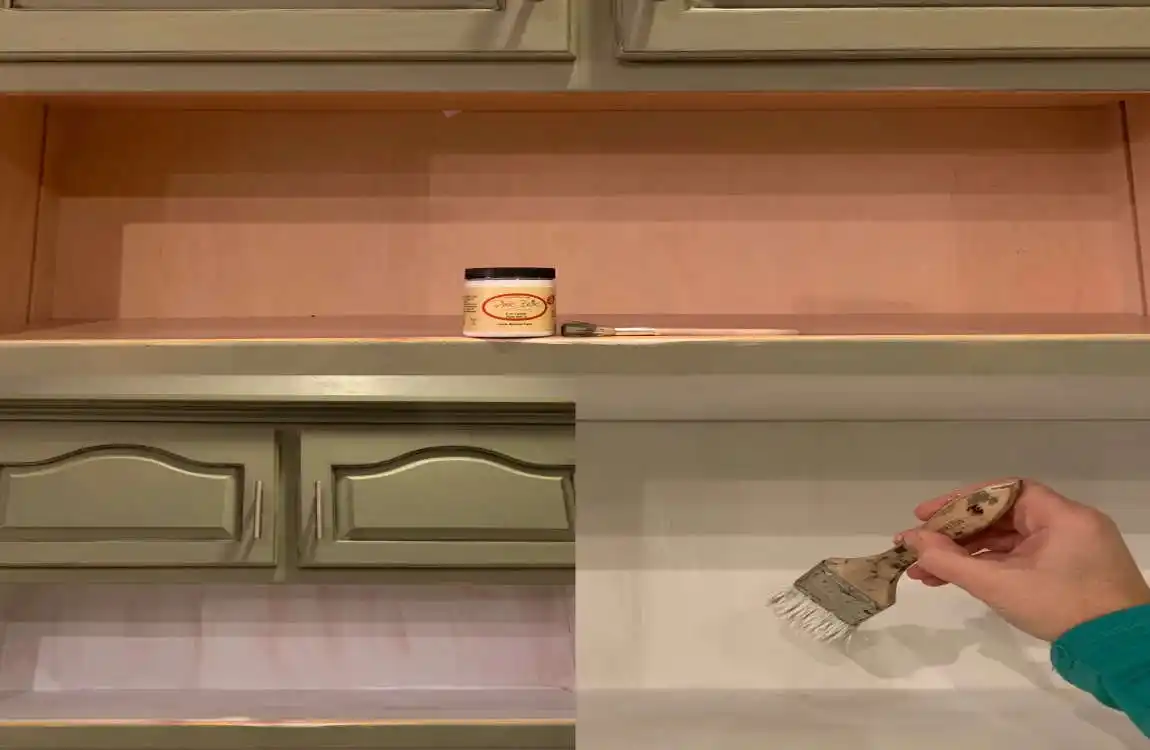
Although painting cabinet interiors has benefits, it also has downsides.
More Time-Consuming
Interior painting adds extra preparation and drying time.
Additional Costs
You may need:
- More paint
- More primer
- Extra supplies
Wear and Tear
Cabinet interiors experience constant contact from dishes and cookware. Poor-quality paint may chip over time.
Professional Painters’ Recommendations
Professional painters usually recommend painting cabinet interiors when:
- Cabinets are heavily stained
- Glass doors reveal the interior
- Homeowners want a luxury finish
- Cabinets are old or outdated
However, they may skip interiors when:
- Cabinets are already clean inside
- The budget is limited
- Time is short
- Garage cabinets are being painted
Is It Necessary for Every Cabinet Project?
Not always.
For example:
Cabinet Type Recommended Interior Painting
Kitchen Cabinets Yes
Bathroom Cabinets Usually
Laundry Room Cabinets Optional
Garage Cabinets Rarely
The decision depends on how visible the interiors are and how polished you want the final result to appear.
Paint the Inside of Kitchen Cabinets White or Match the Exterior?
Popular Interior Cabinet Colors
Homeowners have many choices when selecting cabinet interior colors.
Popular options include:
- White
- Soft gray
- Cream
- Beige
- Matching exterior colors
- Natural wood tones
White remains the most common choice because it brightens storage areas.
Pros and Cons of White Interiors
Benefits of White
White interiors offer several advantages.
They:
- Reflect light
- Make cabinets look larger
- Improve visibility
- Create a clean appearance
Downsides of White
White paint can also show:
- Dirt
- Food stains
- Scratches
This means more regular cleaning may be necessary.
Matching Interior and Exterior Colors
Some homeowners prefer a seamless appearance by matching cabinet interiors to the exterior paint.
This style creates:
- A modern look
- Better design flow
- A custom cabinet appearance
Dark navy cabinets with matching interiors have become especially popular in luxury kitchens.
Two-Tone Cabinet Designs
Two-tone cabinet designs are another stylish option.
For example:
- Dark exterior with white interior
- Green cabinets with cream interiors
- Black cabinets with light gray interiors
This creates visual contrast while keeping interiors bright and practical.
What Type of Paint Works Best for Cabinet Interiors?
Oil-Based vs Water-Based Paint
Choosing the right paint is important for durability.
Oil-Based Paint
Oil-based paint offers:
- Strong durability
- Smooth finish
- Excellent stain resistance
However, it also has drawbacks:
- Strong odor
- Longer drying time
- More difficult cleanup
Water-Based Paint
Water-based paint is now more popular for cabinet painting.
Benefits include:
- Faster drying
- Lower odor
- Easier cleanup
- Eco-friendly options
Most DIY homeowners choose high-quality water-based enamel paint.
Best Paint Finishes for Cabinets
Paint finish matters just as much as paint type.
Satin Finish
Satin offers a soft appearance with moderate durability.
Semi-Gloss Finish
Semi-gloss is often the best option because it:
- Resists moisture
- Cleans easily
- Reflects light
- Looks smooth
Gloss Finish
Gloss finishes are highly durable but can reveal imperfections.
Recommended Primers
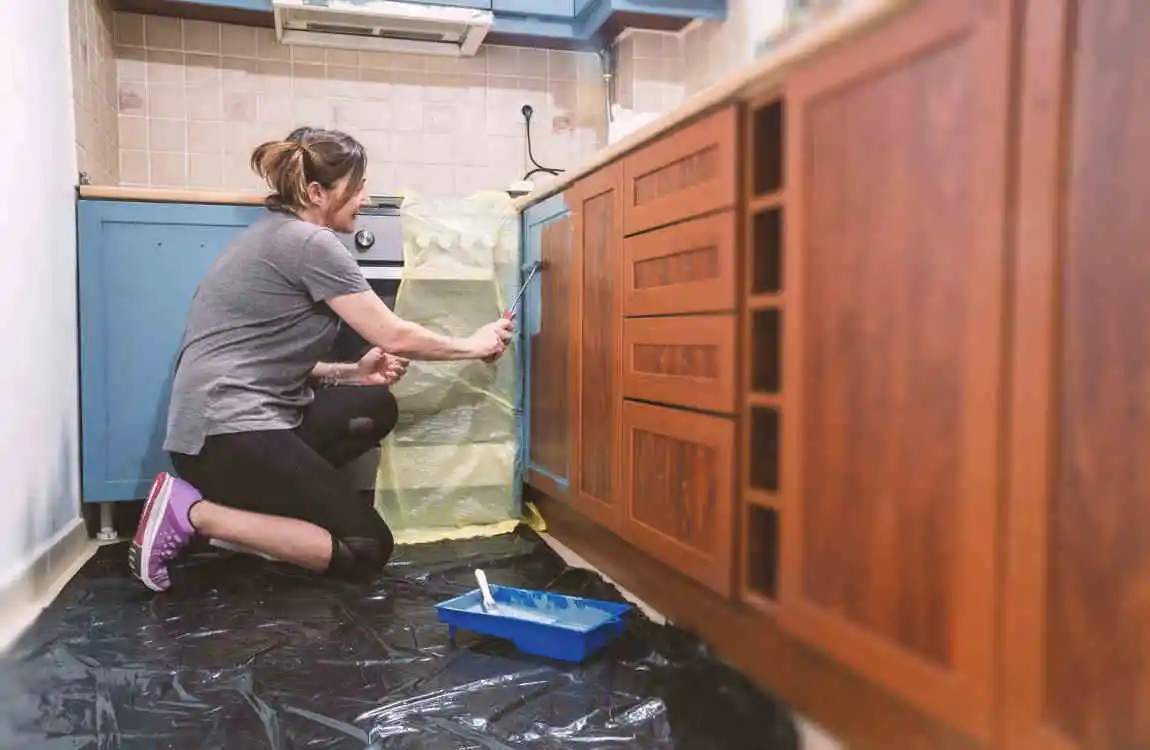
Never skip primer when painting cabinet interiors.
Good primers help:
- Paint sticks better
- Prevent stains from bleeding through
- Improve durability
Stain-blocking and adhesion primers work especially well for older cabinets.
Moisture-Resistant Paint for Kitchens and Bathrooms
Kitchen and bathroom cabinets are exposed to humidity every day.
Moisture-resistant paint helps protect against:
- Mold
- Warping
- Peeling
- Water damage
This makes it ideal for high-use areas.
Low-VOC Paint Options
Many homeowners now prefer low-VOC paints because they produce fewer fumes.
Benefits include:
- Safer indoor air quality
- Less odor
- Better for families and pets
Low-VOC cabinet paint is a smart option for indoor projects.
Tools and Supplies You Need Before Painting Cabinets
Essential Painting Supplies
Before starting, gather all necessary cabinet painting supplies.
Basic tools include:
- Paint brushes
- Foam rollers
- Paint trays
- Sandpaper
- Painter’s tape
- Drop cloths
Having everything ready saves time during the project.
Cleaning Materials
Proper cleaning is critical before painting.
You will need:
- Degreaser
- Microfiber cloths
- Vacuum cleaner
- Warm water
- Mild soap
Kitchen cabinets often collect grease that prevents paint from sticking.
Safety Equipment
Safety should always come first.
Recommended items include:
- Gloves
- Dust mask
- Safety glasses
- Ventilation fan
Good airflow helps paint dry properly and reduces fumes.
Optional Tools for Professional Results
Some optional tools can improve your final finish.
These include:
- Paint sprayer
- Power drill
- Drying racks
- Detail brushes
A paint sprayer produces a particularly smooth cabinet finish.
Step-by-Step Guide to Painting the Inside of Cabinet Doors
Empty the Cabinets
Remove all dishes, cookware, and storage items.
This gives you full access to every surface.
It is also smart to label shelves and contents so you can reorganize everything later.
Remove Cabinet Doors and Hardware
Take off:
- Hinges
- Handles
- Knobs
Number each cabinet door carefully. This makes reinstallation easier later.
Place all hardware in labeled bags to prevent loss of pieces.
Clean Every Surface Thoroughly
Cabinets collect grease over time, especially near stoves.
Use a degreaser and warm water to clean every surface completely.
Even small amounts of grease can cause peeling paint later.
Allow surfaces to dry fully before moving forward.
Sand the Cabinet Surfaces
Sanding helps paint stick properly.
Use medium-grit sandpaper first, then finish with a finer grit for a smoother finish.
Focus on:
- Corners
- Edges
- Glossy areas
After sanding, vacuum all dust carefully.
Apply Primer
Primer creates a solid base for paint.
Apply thin, even coats with a brush or roller.
Avoid thick layers, as they can drip and cause texture problems.
Let the primer dry completely before painting.
Paint the Cabinet Interiors
Now comes the exciting part.
Use smooth strokes and work slowly.
Brush vs Roller
- Brushes work well for corners and edges
- Foam rollers create smoother, flatter surfaces
Apply thin coats instead of heavy layers.
This prevents drips and uneven texture.
Paint the Inside of Cabinet Doors
Painting cabinet doors inside requires patience.
Lay doors flat whenever possible. This reduces dripping and helps paint level evenly.
Work in sections and maintain a wet edge to avoid streaks.
Allow each side to dry fully before flipping the door.
Apply Additional Coats
Most cabinets need two coats of paint.
Dark cabinets changing to white may need three coats.
Allow proper drying time between coats for best results.
Rushing can lead to smudges and sticky surfaces.
Seal and Protect the Finish
Some homeowners add a protective topcoat for extra durability.
This helps resist:
- Scratches
- Moisture
- Daily wear
Clear protective finishes are especially useful in busy kitchens.
Reassemble Cabinets
Once everything cures properly, reinstall the doors and hardware.
Check alignment carefully and tighten all screws securely.
Finally, step back and enjoy your transformed cabinets.
Common Mistakes to Avoid When Painting Cabinet Interiors
Skipping Surface Preparation
Poor preparation is a major cause of cabinet painting failures.
Without cleaning and sanding, paint may:
- Peel
- Bubble
- Chip quickly
Preparation is one of the most important steps.
Using the Wrong Paint Finish
Flat paint may look nice initially, but it does not hold up well inside cabinets.
Cabinet interiors need durable finishes, such as satin or semi-gloss.
These finishes clean more easily and resist moisture better.
Painting Without Proper Dry Time
Many DIY painters rush the process.
This often causes:
- Smudging
- Sticky cabinets
- Fingerprints
- Damaged surfaces
Patience creates better results.
Applying Thick Paint Layers
Thick coats may seem faster, but they usually create:
- Drips
- Brush marks
- Uneven texture
Thin coats always work better.
Ignoring Ventilation
Poor airflow slows drying and increases paint fumes.
Always open windows or use fans during cabinet painting projects.
How Long Does It Take to Paint the Inside of Cabinets?
Average Timeline for DIY Projects
Most DIY cabinet projects take several days.
Typical schedule:
- Day 1 – Cleaning and sanding
- Day 2 – Priming
- Day 3 – Painting
- Day 4 – Additional coats
- Day 5 – Reassembly
Full curing may take one to two weeks.
Factors That Affect Drying Time
Several factors influence drying speed.
These include:
- Humidity
- Temperature
- Paint type
- Ventilation
Warm and dry conditions usually help paint cure faster.
Professional vs DIY Timelines
Professional painters often finish faster because they use:
- Sprayers
- Larger crews
- Faster drying products
However, DIY cabinet painting saves significant money.
Is Painting Cabinet Interiors Worth It?
Cost Savings Compared to Replacement
Replacing cabinets is expensive.
Painting them costs far less while still dramatically improving appearance.
For homeowners on a budget, cabinet refinishing is one of the best kitchen upgrade ideas.
Visual Impact on Kitchen Design
Freshly painted cabinets completely transform a kitchen.
Bright interiors make cabinets feel:
- Cleaner
- More modern
- More spacious
Even older kitchens can look updated with quality cabinet painting.
Durability and Longevity
When done correctly, painted cabinets can last for years.
Proper preparation and quality paint help prevent damage over time.
Regular cleaning also helps maintain the finish.
Resale Value Considerations
Updated kitchens attract buyers.
Clean painted cabinets create a strong first impression during home tours.
This can improve perceived home value without major remodeling expenses.
Expert Tips for a Smooth Professional Finish
Use Thin Paint Layers
Thin coats dry more evenly and reduce brush marks.
Multiple light coats always look better than one thick layer.
Sand Between Coats
Light sanding between coats improves smoothness.
It also helps the next layer stick properly.
Use very fine sandpaper for the best results.
Choose Quality Brushes and Rollers
Cheap tools often leave lint and streaks behind.
High-quality brushes produce cleaner finishes and save time.
Maintain Proper Ventilation
Good airflow helps paint dry evenly.
Fans and open windows can make a big difference during cabinet painting.
Let Cabinets Cure Fully Before Use
Even dry paint needs time to harden completely.
Avoid heavy cabinet use for several days after painting.
Bonus Tip: Add Shelf Liners
Shelf liners help protect freshly painted surfaces from scratches and moisture.
They also make cleaning easier.
Frequently Asked Questions (FAQ)
Do you paint the inside of cabinet doors?
Yes, many homeowners choose to paint the insides of cabinet doors for a cleaner, more professional appearance. It is especially helpful in kitchens with glass-front cabinets.
Should cabinet interiors match exterior colors?
Not always. Some homeowners prefer matching colors for a seamless look, while others choose lighter interiors for brightness and contrast.
What paint finish is best for inside cabinets?
Semi-gloss is usually the best choice because it is durable, moisture-resistant, and easy to clean.
Can you paint cabinets without sanding?
You can use a liquid deglosser instead of sanding in some cases. However, sanding still provides the strongest paint adhesion.
How many coats of paint do cabinets need?
Most cabinets require two coats. Dark surfaces may need a third coat for full coverage.
How long should painted cabinets cure?
Cabinets may feel dry within a day, but full curing can take 1 to 2 weeks.