how many squares of roofing is 1000 square feet
Roofing

How Many Roofing Squares in 1000 Sq Ft? Ultimate Calculator & Cost Guide

How many squares of roofing is 1000 square feet? The short answer is 10 roofing squares for a flat 1,000-square-foot area, because 1 roofing square equals 100 square feet. That simple rule serves as the foundation for roofing estimates, material planning, and cost calculations.

But here is the part that matters most: in real life, a roof is rarely perfectly flat. Pitch, valleys, ridges, dormers, and overhangs all change the final number. So while 1000 square feet equals 10 squares in a basic flat-area calculation, the actual roof size can be larger once you factor in slope and waste.

If you are planning a roof replacement, budgeting for a new roof, or simply trying to understand a quote, this article will help you feel more confident. You will also find a simple calculator, practical examples, and a cost table for different roofing materials.

Roofing Squares Defined: What They Mean and Why They Matter

how many squares of roofing is 1000 square feet

What Is a Roofing Square?

A roofing square is a roofing industry measurement that equals 100 square feet. That means a roof area of 1,000 square feet = 10 squares when you are measuring flat surface area.

This term is widely used by roofers, suppliers, and contractors because it makes pricing and material ordering easier. Instead of saying a roof is 1,000 square feet, they often say it is 10 squares.

That may sound like a small change, but it matters a lot when you are comparing quotes. A contractor may quote a priceper square,and that number often includes labor, shingles, and sometimes other parts of the job. If you do not know what a square means, it is easy to misread the estimate.

So, if you remember only one thing from this section, remember this:

1 roofing square = 100 square feet

And that means:

1000 square feet = 10 roofing squares

That is the core answer to how many roofing squares are in 1000 square feet.

Why Roofers Use Squares Instead of Square Feet

Roofers use squares because it keeps communication fast and consistent. A square is a clean unit for estimating bundles, labor, waste, and total project cost.

It also matches the packaging of many roofing materials. For example, asphalt shingles are often sold in bundles that are designed to cover one square when combined. This makes it easier to calculate how much material you need.

In simple terms, the square is the roofing world’s shorthand. If you are talking to a contractor, it helps to know the language so you can follow the numbers with confidence.

A Quick Look at Roofing Material Differences

Even though 1000 square feet equals 10 squares, not every roof material is handled the same way.

Here is the basic idea:

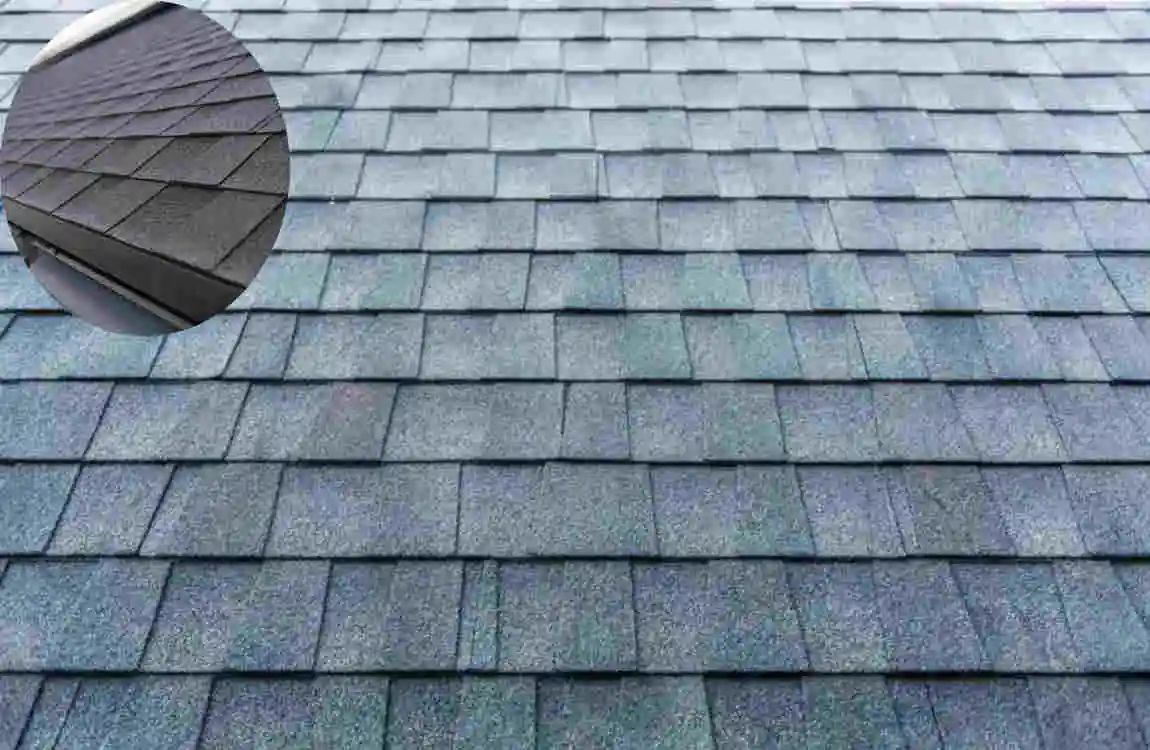
  • Asphalt shingles are commonly measured in squares and bundles.
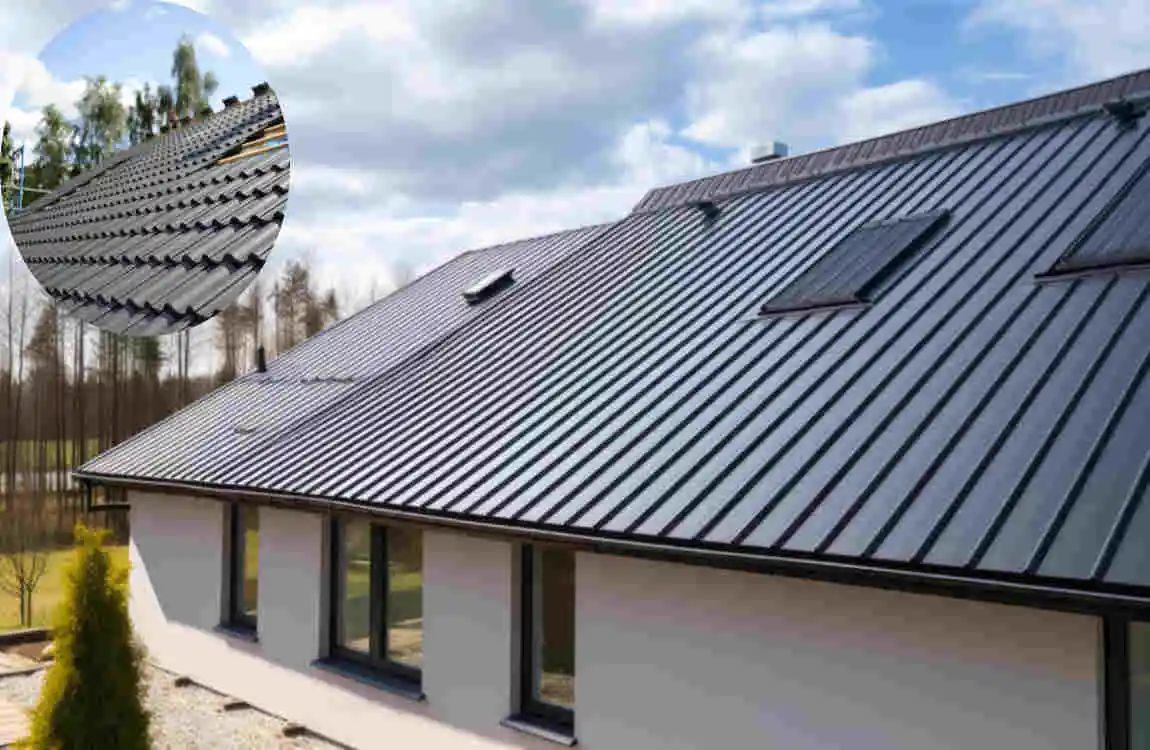
  • Metal roofing may be priced by square, panel count, or linear footage depending on the system.
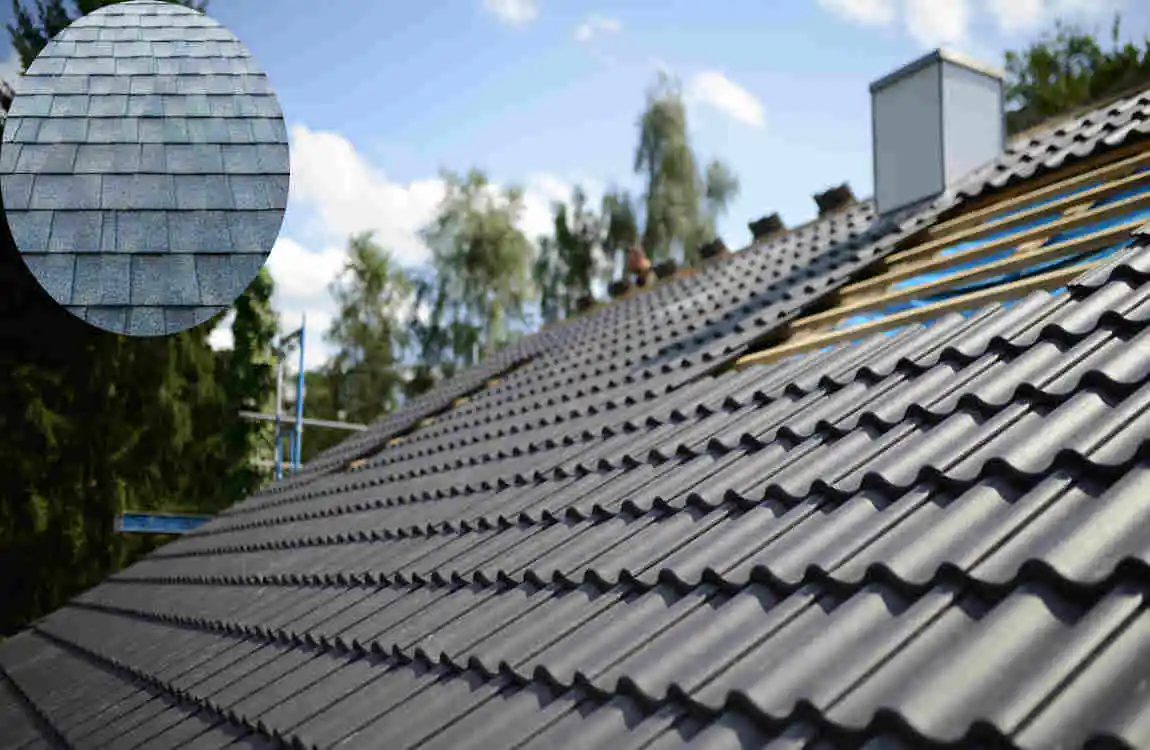
  • Tile roofing often costs more per square because the material is heavier and more labor-intensive.

So yes, 1000 square feet of roofing is still 10 squares, but the cost and material count may change depending on what you install.

Roofing Square Conversion Table

Here is a simple table to help you visualize the conversion.

Square Feet Roofing Squares

500 sq ft 5 squares

750 sq ft 7.5 squares

1,000 sq ft 10 squares

1,250 sq ft 12.5 squares

1,500 sq ft 15 squares

2,000 sq ft 20 squares

This table makes the math easy. Once you understand that 100 square feet equals one roofing square, the rest is just division.

A Small Bit of Roofing History

The word square has been used in roofing for a long time because it made estimating easier for crews working with bundles of shingles. Over time, the term stuck, and now it is one of the most common roofing measurements in the industry.

That history matters because it explains why a contractor may say10 squaresinstead of1,000 square feet.They are not changing the roof’s size. They are simply using the standard roofing unit.

How Many Roofing Squares Are in 1000 Square Feet? Use the Formula and Calculator

The Basic Formula

The easiest formula is:

Squares = Roof area in square feet ÷ 100

So if your roof area is 1,000 square feet, then:

1,000 ÷ 100 = 10 squares

That is the direct answer for a flat roof area.

But if your roof has a slope, the actual surface area exceeds the home’s footprint. In that case, you need to apply a pitch multiplier before dividing by 100.

A simple version of the formula looks like this:

Squares = (Length × Width × Pitch Multiplier) ÷ 100

This is why measuring correctly matters so much. A house footprint may be 1,000 square feet, but the roof surface can be more than that.

Pitch Multiplier Table

Roof pitch affects how much surface area you are really dealing with. The steeper the roof, the more material you need.

Roof Pitch Multiplier

Flat 1.000

4:12 1.054

6:12 1.118

8:12 1.202

12:12 1.414

This table shows why pitch matters. A steeper roof uses more material, even if the home’s footprint is the same.

For example, if a roof footprint is 1,000 square feet and the pitch is 6:12, the adjusted area exceeds 1,000 square feet. That means the roof is more than 10 squares.

Example: 40 × 25 Feet

Let us say your roof footprint is 40 feet by 25 feet.

That gives you:

40 × 25 = 1,000 square feet

If the roof is flat, the answer is simple:

1,000 square feet = 10 squares

If the roof has pitch, the total adjusted area changes.

  • At 4:12, the adjusted area is about 1,054 square feet
  • At 6:12, the adjusted area is about 1,118 square feet

That means the roof is no longer exactly 10 squares once slope is included.

This is the key point many homeowners miss. The question of how many squares of roofing are in 1000 square feet has a clean answer only when the surface is flat. Real roofs often need a little more.

Interactive Conversion Table

Input Pitch Adjusted Sq Ft Squares

40 × 25 ft 4:12 1,054 10.54

40 × 25 ft 6:12 1,118 11.18

1,000 flat None 1,000 10

This table makes one thing clear: 1000 square feet equals 10 squares only when the area is flat. Once pitch is added, the square count goes up.

Why Waste Factor Matters

Even after you calculate the square footage, you still need to account for waste.

Waste happens because:

  • shingles are cut around valleys and ridges
  • some pieces break or get damaged
  • starter strips and ridge caps use extra material
  • roof shape can create leftover scraps

A good rule is to add 10% to 15% for waste, especially on roofs with steeper pitches or greater angles.

So if your roof is 10 squares on paper, plan for 11 to 11.5 squares worth of material.

That is a safer and more realistic approach than buying exactly the minimum.

How to Measure Your Roof More Accurately

Tools You Can Use

You do not need expensive equipment to get started. A few simple tools can help you estimate your roof size with decent accuracy.

Use:

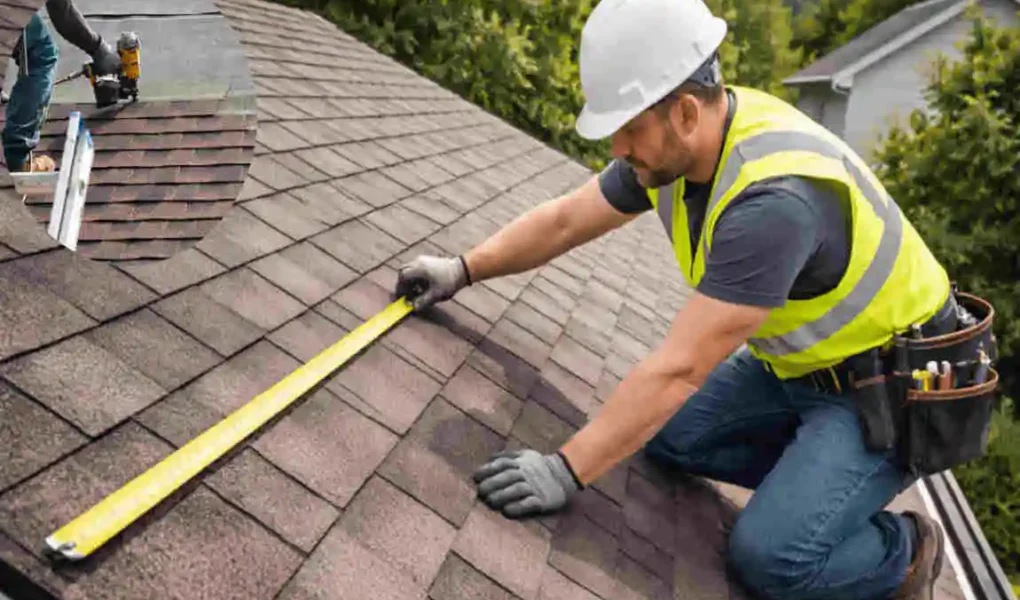
  • a tape measure
  • a drone app
  • Google Earth
  • a notepad or phone calculator

These tools help you estimate the footprint and check the roof shape before you commit to a purchase order.

The Three Simple Steps

If you want a practical way to estimate the roof, follow these steps:

Measure the ground footprint.

Start with the home’s length and width, or the roof surface’s dimensions.

 Apply the pitch multiplier.

If the roof is sloped, multiply by the correct pitch factor.

Divide by 100.

This gives you the number of roofing squares.

That is the easiest way to think about how many roofing squares are in 1000 square feet in a real-world setting.

Why Overhangs Matter

One of the most common mistakes is forgetting overhangs.

Roof edges often extend beyond the wall line by 6 to 12 inches, and sometimes more. That extra edge adds area, making the roof slightly larger than the house’s footprint.

If you ignore overhangs, your estimate may come out too low. That leads to short material orders, delays, and more stress during installation.

So when you measure, be sure to include:

  • overhangs
  • roof edges
  • dormers
  • porches that are covered by the roof
  • any extra sections attached to the main roof

When a Professional Survey Helps

If your roof is simple and rectangular, your own estimate may be enough for early planning. But if the roof is complex, a professional measurement can save you time and money.

A professional survey is especially useful when the roof has:

  • multiple slopes
  • valleys
  • chimneys
  • skylights
  • attached garage roofs
  • unusual shapes

In those cases, a roofer or surveyor can provide a more exact number than a quick at-home estimate.

That is also helpful if you are comparing quotes and want to make sure every contractor is estimating the same roof size.

What Makes a Roof Harder to Measure?

A roof becomes harder to measure when its shape is no longer simple. A basic rectangle is easy. But once you add bump-outs, dormers, hips, and valleys, the math becomes more detailed.

The more complex the roof, the more likely it is that the actual roofing squares will exceed the simple footprint estimate.

So if you are asking how many roofing squares are in 1000 square feet, think of that as a starting point, not the final installed area.

Cost Breakdown for 10 Squares of Roofing

how many squares of roofing is 1000 square feet

The Big Picture

Now let us talk about one of the most important parts: cost.

If 1000 square feet equals 10 squares, then you can estimate the roof replacement cost based on price per square. The final number will depend on the material, labor, location, and roof complexity.

For a standard asphalt roof, a common estimate is around $400 to $700 per square installed. That puts a 10-square roof at roughly $4,000 to $7,000.

That range gives homeowners a useful starting point.

Cost Table by Material

Material Cost per Square Total for 10 Squares Notes

Asphalt shingles $400–$700 $4,000–$7,000 Common, practical, and widely used

Metal roofing $800–$1,200 $8,000–$12,000 Good for heat resistance and longer life

Tile roofing $1,000–$1,500 $10,000–$15,000 Premium look, heavier installation

This table shows why material choice matters so much. The roof size may remain the same, but the price can vary significantly.

If you are budgeting for how many squares of roofing are needed for 1000 square feet, it helps to think in terms of both size and material class.

Why Labor Changes the Price

Labor is often a major part of the final cost. In many roofing projects, labor can account for around 40% of the total price.

Labor costs can rise when:

  • the roof is steep
  • the roof has many cuts or angles
  • removal of old roofing is required
  • the job needs extra safety steps
  • weather or access makes the work slower

This means two roofs with the same square footage can still have very different prices.

Why Location Changes the Price

Your location matters too. Roofing prices can fluctuate based on local market conditions, labor availability, and material transport costs.

In many areas, prices may be lower than in larger U.S. markets. In places like Punjab, some homeowners may see costs around 10% to 20% lower than in higher-cost regions, depending on the contractor and material source.

That is why local pricing should always be checked before you finalize your budget.

Budgeting in PKR

If you are budgeting in Pakistan, a rough estimate for a 10-square roof may be around PKR 1.1 to 2 million, depending on the quality of materials, labor, and location.

That is only a general planning range, not a fixed quote. Still, it is helpful if you are comparing options and want to know whether a quote looks realistic.

What Changes the Final Quote?

A contractor may include other items in the estimate, such as:

  • tear-off of the old roof
  • underlayment
  • ridge caps
  • flashing
  • nails and fasteners
  • cleanup and disposal
  • permits, if needed

So when you ask how many squares of roofing is 1000 square feet, remember that square count is only one piece of the pricing puzzle.

A Practical Way to Think About Roof Cost

A simple way to budget is this:

  • Start with the square count
  • Choose your material
  • Add labor
  • Add waste
  • Add a cushion for repairs or surprises

That gives you a more realistic number than guessing from the footprint alone.

What Materials You Need for 1000 Square Feet of Roofing

how many squares of roofing is 1000 square feet

Shingles: How Many Bundles Do You Need?

For asphalt shingles, the general rule is 3 bundles per square.

So for 10 squares, you need:

10 × 3 = 30 bundles

That is the basic material count for the main shingles. If you add waste, ridge cap, and repair pieces, purchase a little extra.

So if you are planning around how many squares of roofing is 1000 square feet, the shingle count is one of the easiest parts to estimate.

Underlayment

Underlayment is the protective layer installed beneath the shingles. It helps guard against moisture and gives the roof an extra layer of defense.

A rough estimate is one roll per 100 square feet, though the exact coverage depends on the product.

For a 1,000-square-foot roof, that can mean about 10 rolls.

If you have a steeper roof or more overlap, you may need a bit more.

Ridge Cap

A ridge cap covers the roof’s top. It is not usually counted the same way as field shingles because it serves a different purpose.

For a 1,000-square-foot roof, you may need 80 to 100 linear feet of ridge cap, depending on the roof shape and ridge length.

That number can go up if the roof has multiple peaks.

Don’t Forget the Small Items

Small items matter more than many homeowners expect. You should also plan for:

  • flashing
  • nails
  • starter strips
  • sealant
  • drip edge
  • vents

These are not always the biggest part of the budget, but they are essential to a proper installation.

A Smart Rule for Buying Materials

A practical rule is to overestimate by about 10% when ordering.

That little buffer helps if:

  • pieces are damaged
  • cuts create more waste than expected
  • the roof shape is more complex than planned
  • a repair area needs extra material

It is better to have a small surplus than to pause the project because you ran short.

FAQ: How Many Squares of Roofing Is 1000 Square Feet?

Is 1000 square feet always 10 roofing squares?

Yes, 1000 square feet equals 10 roofing squares when measuring a flat area. That is because one roofing square equals 100 square feet.

Does roof pitch affect the number of squares?

Yes. Roof pitch can increase the actual surface area by about 10% to 40%, depending on steepness. That means the roof may need more than 10 squares of material.

How many bundles of shingles do I need for 1000 square feet?

For asphalt shingles, you usually need 30 bundles because there are 3 bundles per square and 10 squares total.

What is the roofing cost for 1000 square feet?

A standard asphalt roof may cost around $4,000 to $7,000 installed for 10 squares. Premium materials like metal or tile can cost more.

How many roofing squares are in 1000 square feet in Pakistan?

The square count is still 10 squares. The price, however, depends on local labor and materials, and it can vary widely by city and roofing system.

Is a roofing square the same as a regular square foot?

No. A roofing square is much larger. 1 roofing square = 100 square feet.

Why do roofers talk in squares instead of square feet?

They use squares because it is faster for estimating labor and materials. It also aligns with common roofing packaging and pricing practices.

How do I calculate roofing squares from length and width?

Multiply the roof length by the width to get square footage, apply the pitch multiplier if needed, and then divide by 100.

You may also like...

Leave a Reply

Your email address will not be published. Required fields are marked *