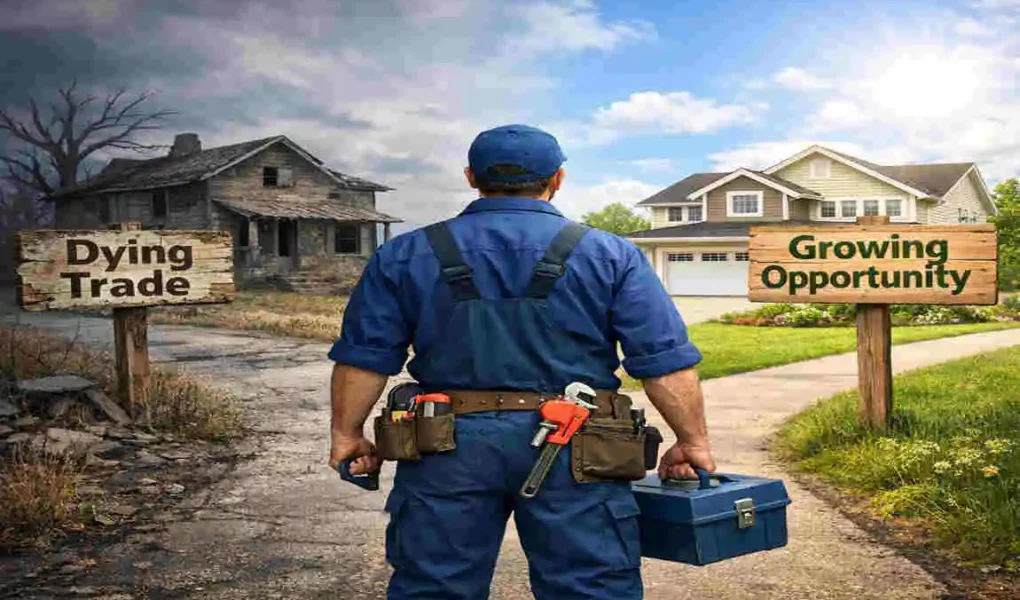
Home plumbing is not disappearing. In fact, it still plays a major role in homes, repairs, and new construction. If you are asking, “Is home plumbing a dying trade?” the simple answer is no. The work is changing, but the need for skilled plumbers is still very real.
| Factor | Key Information |
|---|---|
| Career Demand | Ongoing need for plumbing installation, repairs, and maintenance |
| Job Stability | Essential home service that cannot easily be replaced |
| Technology | Smart leak detection, inspection cameras, and modern plumbing tools |
| New Opportunities | Water-efficient systems, smart plumbing, remodeling, and maintenance |
| Required Skills | Installation, troubleshooting, repairs, safety, and customer service |
| Main Challenges | Physical work, licensing, emergency calls, and continuous training |
| Future Outlook | Growing opportunity for skilled and adaptable plumbers |
| Overall Verdict | Home plumbing is not a dying trade; technology is changing and expanding the profession |
Homes always need water supply, drainage, repairs, and safe installations. Technology may make some jobs easier, but it does not remove the need for hands-on skill, problem-solving, and experience.
Why Plumbing Is Still an Essential Home Trade
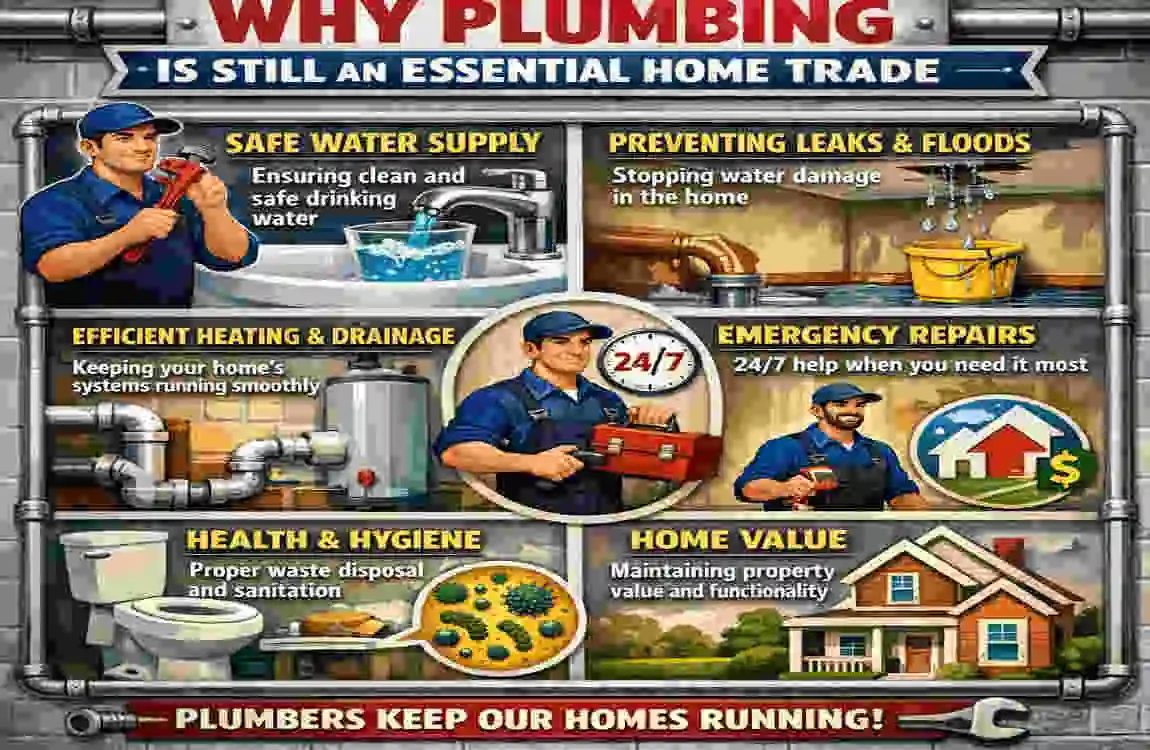
Plumbing is part of everyday home life. Without it, kitchens, bathrooms, laundry rooms, and heating systems would not work properly. It is one of those trades people only fully notice when something goes wrong.
The Everyday Need for Plumbing Services
Every home depends on working pipes, faucets, toilets, drains, and water heaters. These systems are used every single day, so they need regular care and repair.
Plumbing Repairs Cannot Easily Be Replaced
Some problems are too difficult to fix with quick fixes. A hidden leak, broken pipe, or blocked drain usually needs a trained plumber to inspect and fix safely.
New Homes Still Need Professional Plumbers
New houses still need plumbing from the ground up. Plumbers install lines, fixtures, and water systems during construction and remodeling.
Aging Homes Create More Plumbing Work
Older homes often need pipe replacement, fixture upgrades, and better drainage. As homes age, plumbing work usually increases, not decreases.
Is Home Plumbing a Dying Trade or a Growing Career Opportunity?
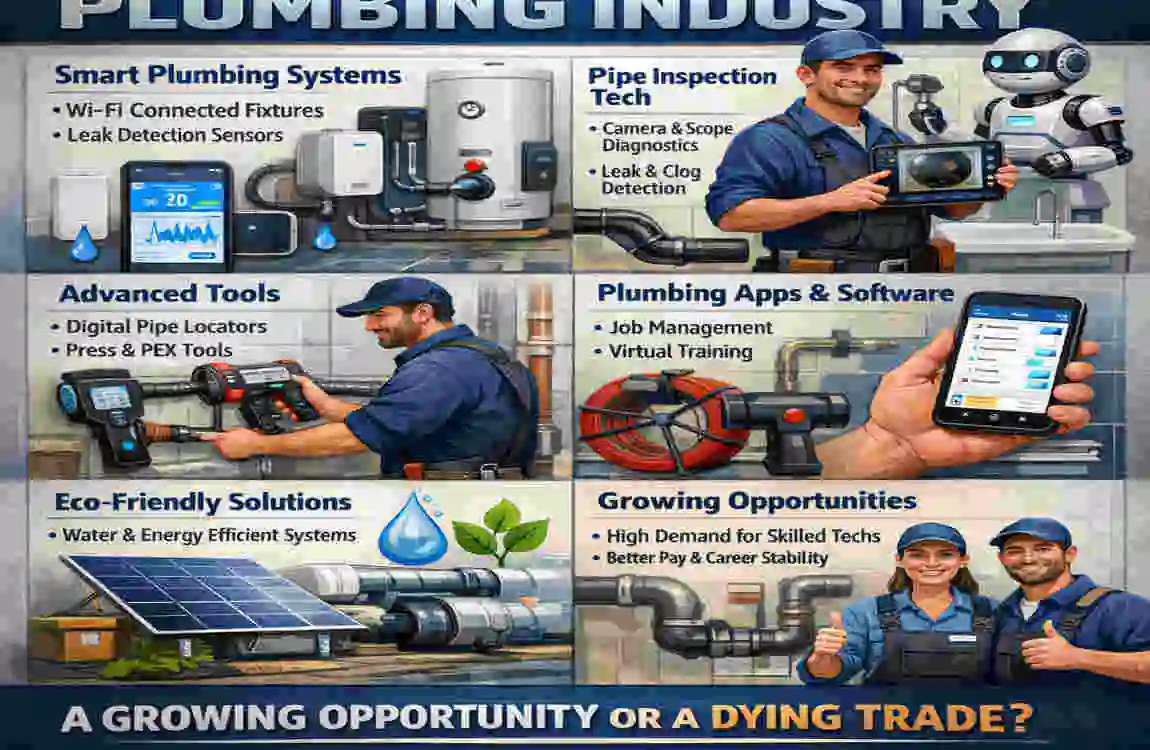
Some people think plumbing is fading, but many signs point the other way. Demand remains strong because homes still need repairs, upgrades, and skilled labor.
Why people worryWhat is actually happening
DIY content makes jobs look simple Many plumbing tasks still need training and experience
Smart devices help with detection They support plumbers, not replace them
Better materials reduce some failures Homes still need repairs, maintenance, and installation
Fewer young workers enter trades Skilled plumbers become even more valuable
Why People Think Plumbing Is Declining
Online tutorials and home repair videos make many jobs look easy. At the same time, new materials and smart systems can make plumbing seem less hands-on.
Why Skilled Plumbers Are Still Needed
Even with better tools, plumbing still requires code knowledge, troubleshooting, and physical repair work. A machine cannot fully replace someone who understands the whole system.
The Impact of Skilled-Trade Shortages
Many areas have fewer trained workers than they need. This creates strong opportunities for people willing to learn the trade and build real experience.
Plumbing as a Long-Term Career
Residential plumbing can lead to many paths, including service work, remodeling, supervision, or running a small business. For the right person, it can be a stable and practical career.
How Technology Is Changing the Home Plumbing Industry
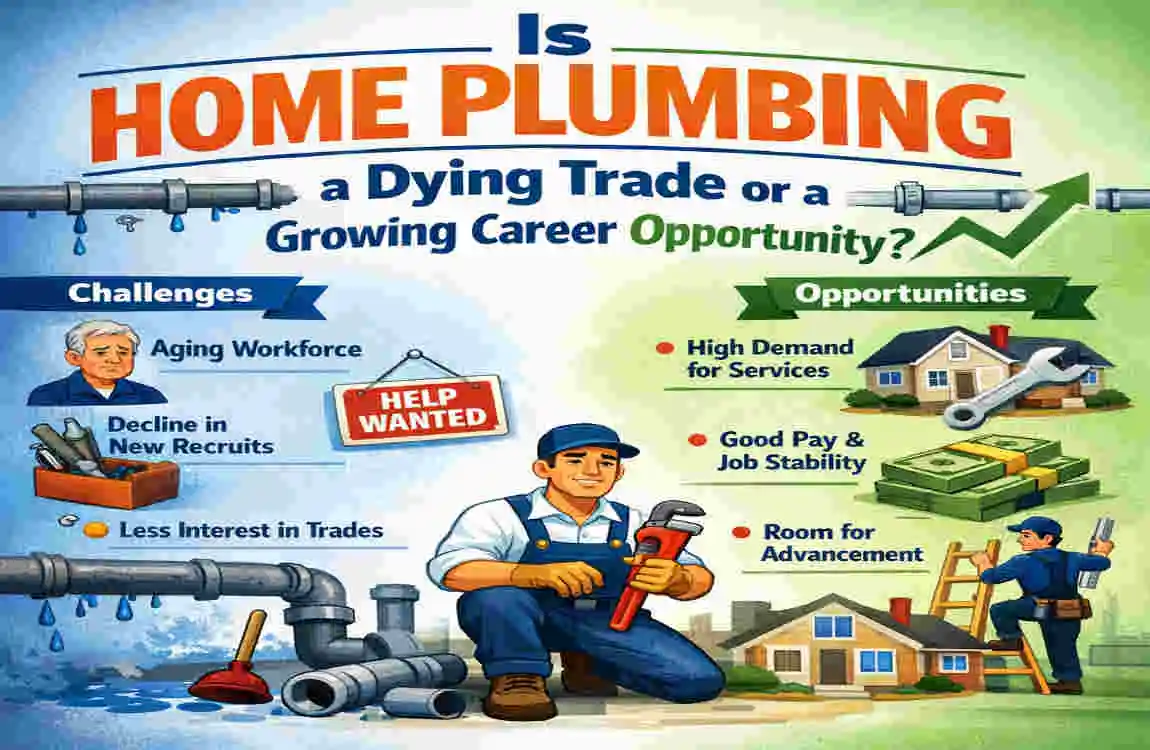
Technology is changing plumbing, but it is not replacing it. It is giving plumbers better ways to find problems, save time, and offer smarter solutions.
Smart Plumbing Systems
Leak detectors, smart water meters, and shutoff devices help protect homes from damage. These tools create new work for plumbers who can install and maintain them.
Modern Plumbing Tools
Today’s plumbers often use cameras and advanced diagnostic tools to find hidden problems faster. This makes the work more accurate and efficient.
Water-Efficient Fixtures and Systems
Low-flow toilets, efficient faucets, and tankless water heaters are becoming more common. These products still need professional installation and service.
Will Automation Replace Plumbers?
Not likely. Technology can support the trade, but it cannot fully replace judgment, hands-on repair, and customer service. A plumber still brings the human skill that homes need.
What Makes Plumbing a Good Trade to Learn?
Plumbing can be a strong career choice for people who like practical work and visible results. It offers real-world skills and steady demand.
Skills You Can Build Over Time
You can learn pipe fitting, repair work, system checks, safety habits, and customer communication. These skills grow with practice and experience.
Apprenticeships and Hands-On Experience
Most plumbers learn by working alongside experienced professionals. That kind of training helps beginners build confidence and learn how real jobs are done.
Earning and Business Opportunities
Plumbing can lead to employment, specialized service work, or independent contracting. With time and licensing, some plumbers even start their own business.
Job Stability and Essential Services
People will always need working water, drains, and repairs. That makes plumbing one of the more dependable home service trades.
Challenges of Becoming a Plumber
It is honest work, but it can be tough. The job may involve physical labor, tight spaces, emergency calls, and ongoing learning to keep up with codes and tools.
The Future of Residential Plumbing
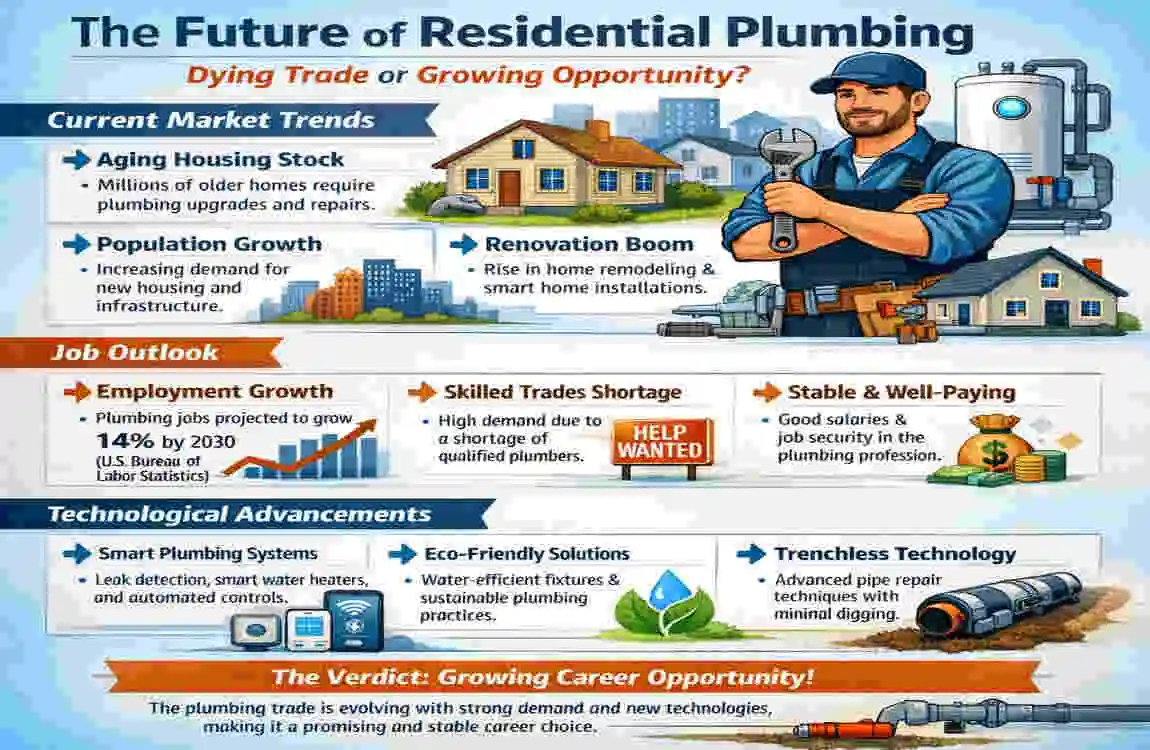
Residential plumbing will likely become more modern, more efficient, and more specialized. That does not mean it is ending. It means it is evolving.
Demand for Repairs and Renovations
Homes will still need maintenance, upgrades, and remodeling. Those jobs keep plumbing work active in both older and newer houses.
Sustainable and Water-Saving Plumbing
Water-saving systems are becoming more important. This creates more work installing, maintaining, and repairing efficient plumbing products.
Smart Homes and Plumbing
As homes become smarter, plumbing will become more connected too. That means new opportunities in monitoring, leak detection, and system control.
Opportunities for Specialized Plumbers
Plumbers who focus on water heaters, leak detection, drains, or remodeling may find strong demand. Special skill can make a plumber more valuable.
The Importance of Continuous Training
The best plumbers keep learning. New tools, new materials, and new codes mean the trade rewards people who stay updated.
FAQ
Is home plumbing a dying trade?
No. Residential plumbing is still needed because homes depend on water systems, repairs, and installations.
Is plumbing still a good career choice?
Yes, especially for people who want practical work, steady demand, and room to grow.
Will AI and technology replace plumbers?
Technology can assist with diagnosis and monitoring, but it cannot fully replace skilled hands-on work.
Is there a future for residential plumbing?
Yes. Repairs, remodeling, smart systems, and water-efficient products all support future demand.
What skills does a modern plumber need?
A modern plumber needs technical skill, troubleshooting ability, safety knowledge, and good communication.