Backflow is a plumbing problem that can allow unwanted or contaminated water to move in the wrong direction through a home’s water system. Since household water is used for drinking, cooking, bathing, and cleaning, preventing this reverse flow is an important part of safe plumbing design.
| Backflow Prevention Method | How It Works | Common Home Application | Main Benefit |
|---|---|---|---|
| Air Gap | Creates a physical space between the water outlet and the receiving fixture, preventing contaminated water from flowing backward. | Kitchen sinks, bathroom fixtures | Provides strong protection against contamination |
| Check Valve | Allows water to flow in one direction and closes when water attempts to reverse direction. | Water lines, appliances, pumps | Helps stop reverse water flow |
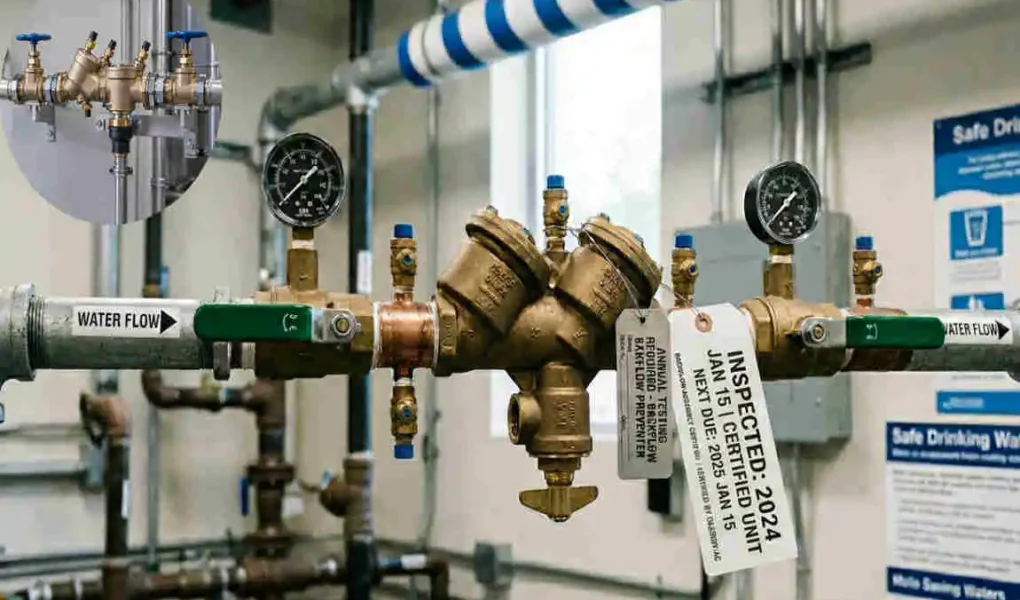
| Backflow Preventer | Uses valves and pressure-control mechanisms to prevent contaminated water from entering the clean-water supply. | Main water lines and higher-risk connections | Protects potable water |
| Proper Pipe Design | Separates drinking-water pipes from potential contamination sources and reduces unsafe cross-connections. | Whole-house plumbing | Reduces backflow risks at the design stage |
| Pressure Control | Helps maintain appropriate water pressure so pressure differences do not force water backward. | Residential water systems | Reduces backpressure-related risks |
A well-designed plumbing system uses several layers of protection. These can include proper pipe layouts, air gaps, check valves, backflow preventers, safe connections, and regular maintenance.
Understanding Backflow in a Home Plumbing System
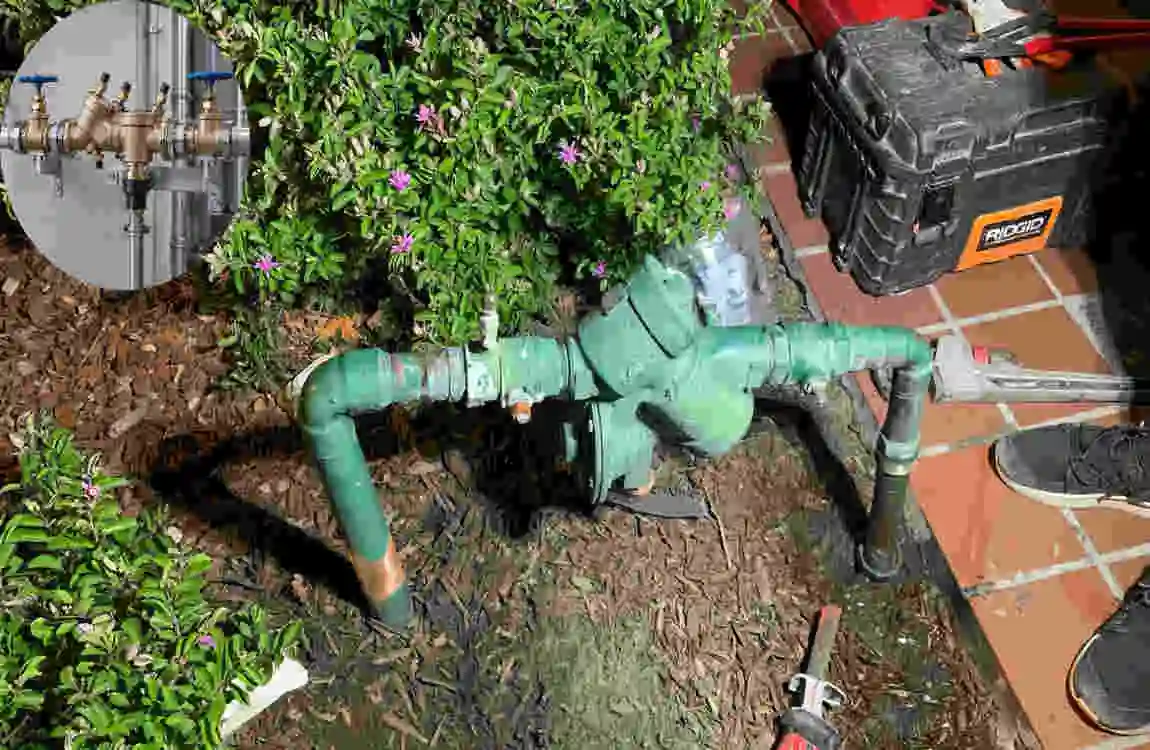
What Is Plumbing Backflow?
In simple terms, backflow happens when water moves backward through a plumbing system instead of continuing in its normal direction.
Normally, clean water travels from the supply line toward household fixtures. Under certain pressure conditions, however, water from another source can be pushed or pulled back into the potable water system.
The unwanted water could contain dirt, chemicals, wastewater, or other contaminants. This is why backflow prevention is an important part of plumbing safety.
Backflow is not always obvious. A homeowner may not notice reverse flow right away, which makes proper plumbing design especially important.
Why Is Backflow Prevention Important?
The main purpose of backflow prevention is to protect the clean-water supply from contamination.
For example, a hose connected to a garden may be placed in a bucket containing cleaning chemicals. If water pressure suddenly changes, contaminated liquid could potentially be drawn toward the home’s drinking-water system.
Backflow protection helps prevent situations like this.
It is especially important around fixtures and equipment where clean water could contact substances that should never enter the potable supply.
What Should Be Designed Into an Operations Plumbing System to Prevent Backflow?
When considering what to design into an operations plumbing system to prevent backflow, the answer is usually not a single device. Effective protection comes from combining good system design with suitable protective equipment.
Proper Pipe Layout and System Design
Design a plumbing system so potable water stays separate from potential sources of contamination.
Pipes should follow an appropriate layout, and connections should be planned carefully. Designers and plumbers also need to consider pressure conditions throughout the system.
A good design reduces unnecessary cross-connections and provides suitable protection wherever a contamination risk exists.
Following applicable plumbing requirements is also important because backflow rules can vary by application and local regulations.
Air Gaps and Physical Separation
An air gap is one of the simplest forms of backflow protection.
It creates a physical space between the water outlet and the receiving fixture or container. Because the water does not have a continuous pipe connection between the two points, contaminated water has a much harder time traveling backward into the clean-water supply.
Air gaps are commonly used around sinks and other plumbing fixtures.
This simple approach demonstrates an important plumbing principle: physical separation can provide strong protection against reverse flow.
Backflow Prevention Devices
Backflow preventers are devices designed to help stop water from traveling backward into a protected water supply.
Different plumbing situations require different levels of protection. A simple check valve may suit some applications. At the same time, a more advanced backflow prevention assembly may be needed where the contamination risk is greater.
Select the right device based on the type of plumbing connection, pressure conditions, and potential hazard.
Common Causes of Backflow in Homes
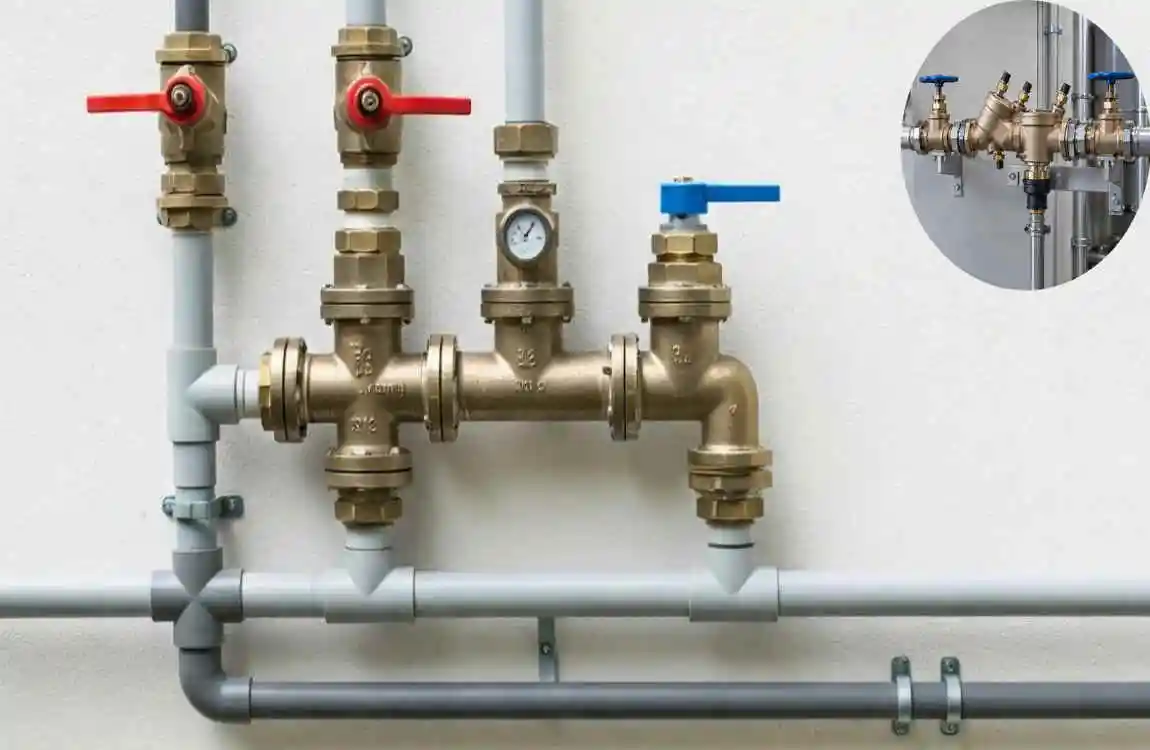
Backflow generally occurs because of pressure changes or because plumbing connections allow unwanted water to enter the potable system.
Backpressure
Backpressure occurs when pressure on the downstream side exceeds the pressure in the clean-water supply.
For example, a closed system containing heated water may develop increased pressure. If the pressure becomes high enough, water can potentially move in the opposite direction through an improperly protected connection.
Good plumbing design and suitable backflow protection help manage this risk.
Backsiphonage
Backsiphonage happens when the pressure in the clean-water supply suddenly drops.
Imagine drinking through a straw. When you create suction, liquid moves toward you. A similar principle can occur in plumbing when a pressure drop creates a siphoning effect.
A broken water main, heavy demand, or another sudden pressure change can create conditions where contaminated water may be pulled toward the potable supply.
Cross-Connections
A cross-connection connects a potable water system to another source that could contain contaminants.
Examples can include improperly connected hoses, equipment, tanks, or plumbing fixtures.
Cross-connections are a major concern because they create a pathway through which unwanted substances can potentially enter clean-water pipes.
How Backflow Prevention Devices Work
Different protection methods work in different ways, but their basic goal is the same: stop contaminated water from moving backward.
Check Valves
A check valve lets water flow in one direction while restricting reverse flow.
When water flows normally, the valve opens. When water attempts to move backward, the valve closes or restricts the flow.
Check valves can be useful components of a plumbing system. However, they are not automatically the correct protection for every situation.
Pressure-Type Backflow Preventers
Some backflow preventers use pressure conditions and internal valves to provide additional protection.
These devices are better suited for applications where the potential hazard or pressure conditions require stronger protection than a basic check valve.
Because different devices provide different levels of protection, professional selection and installation are important.
Air-Gap Protection
Air-gap protection works without relying on a mechanical valve.
Instead, the water outlet remains physically separated from the receiving point. If the connection is open to the atmosphere, contaminated water cannot easily create a continuous reverse-flow pathway.
This makes air gaps a simple, highly effective option when the plumbing design allows it.
How Homeowners Can Reduce Backflow Risks
Homeowners can take several practical steps to reduce the possibility of plumbing backflow.
- Keep hoses and plumbing fixtures properly installed and avoid placing hoses in contaminated liquids.
- Avoid unsafe cross-connections between drinking-water pipes and other water sources.
- Check protective devices when inspection or testing is required.
- Repair leaking or damaged plumbing promptly rather than leaving problems unresolved.
- Use qualified plumbing professionals for complicated installations or systems with significant contamination risks.
Small changes in everyday plumbing practices can make a meaningful difference.
Backflow Prevention and Plumbing Maintenance
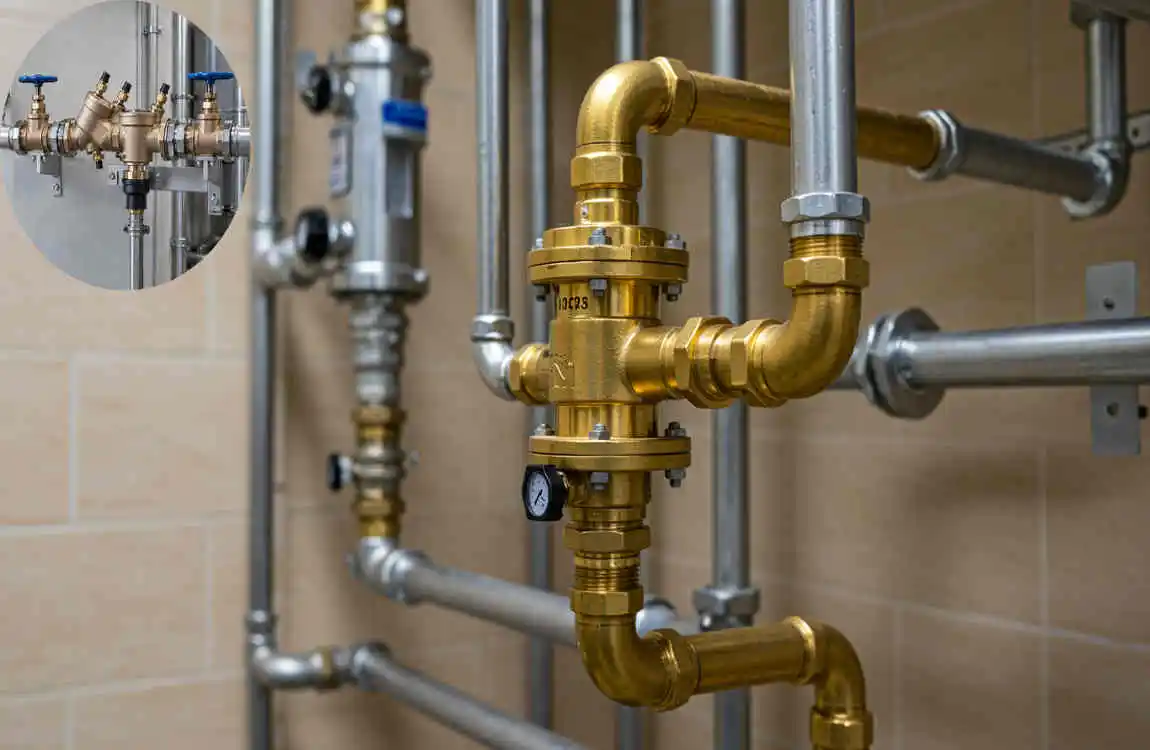
Backflow protection does not end when a plumbing system is installed. Regular maintenance helps ensure that protective components continue to work properly.
Regular Inspections
Backflow prevention devices, valves, connections, and plumbing fixtures can experience wear over time.
Periodic inspection can help identify damaged components, leaks, improper connections, or other conditions that could increase risk.
A professional inspection may be particularly useful for complex plumbing systems.
Testing and Repairs
Some backflow prevention assemblies may require periodic testing by qualified professionals, depending on the application and local requirements.
If a device fails a required test or shows signs of damage, do not ignore it. Prompt repair or replacement can help restore the intended level of protection.
FAQ
What causes backflow in a home plumbing system?
Backflow can occur because of backpressure, backsiphonage, or unsafe cross-connections. Changes in water pressure can push water backward through an inadequately protected plumbing connection.
How does a backflow preventer work?
A backflow preventer helps stop water from moving backward into the potable water supply. Depending on its design, it may use valves, pressure differences, or other protective mechanisms.
What is the difference between backpressure and backsiphonage?
Backpressure occurs when downstream pressure exceeds potable-water pressure. Backsiphonage occurs when a drop in supply pressure creates a siphoning effect that can pull water backward.
Can a check valve prevent backflow?
A check valve can help restrict reverse flow, but it may not provide adequate protection for every plumbing situation. The correct protection depends on the system and potential contamination risk.