When you remove a sink, toilet, appliance, or other plumbing fixture, you may be left with an unused pipe. Leaving that pipe open can cause unnecessary problems, especially if it is connected to a pressurised water supply or a drain system.
| Aspect | Why It Is Important | Key Benefit |
|---|---|---|
| Prevent Water Leaks | Properly capping unused water lines helps stop water from escaping. | Reduces water damage |
| Stop Sewer Odors | Sealing unused drainpipes helps prevent sewer gases and unpleasant smells from entering the home. | Fresher indoor air |
| Protect Pipes | A cap keeps dirt, dust, insects, and debris from entering open plumbing. | Cleaner plumbing system |
| Prevent Water Damage | A secure cap reduces the chance of accidental leaks around walls, floors, and cabinets. | Protects the property |
| Maintain Water Pressure | A properly sealed water line helps keep the plumbing system closed and pressurized. | Better system performance |
| Improve Safety | Sealing unused plumbing openings removes exposed pipe openings and reduces potential hazards. | Safer home |
Capping off home plumbing means securely closing the end of an unused pipe with a suitable cap, plug, or fitting. This simple step can help prevent leaks, unpleasant odors, debris, and moisture damage.
What Does It Mean to Cap Off Home Plumbing?
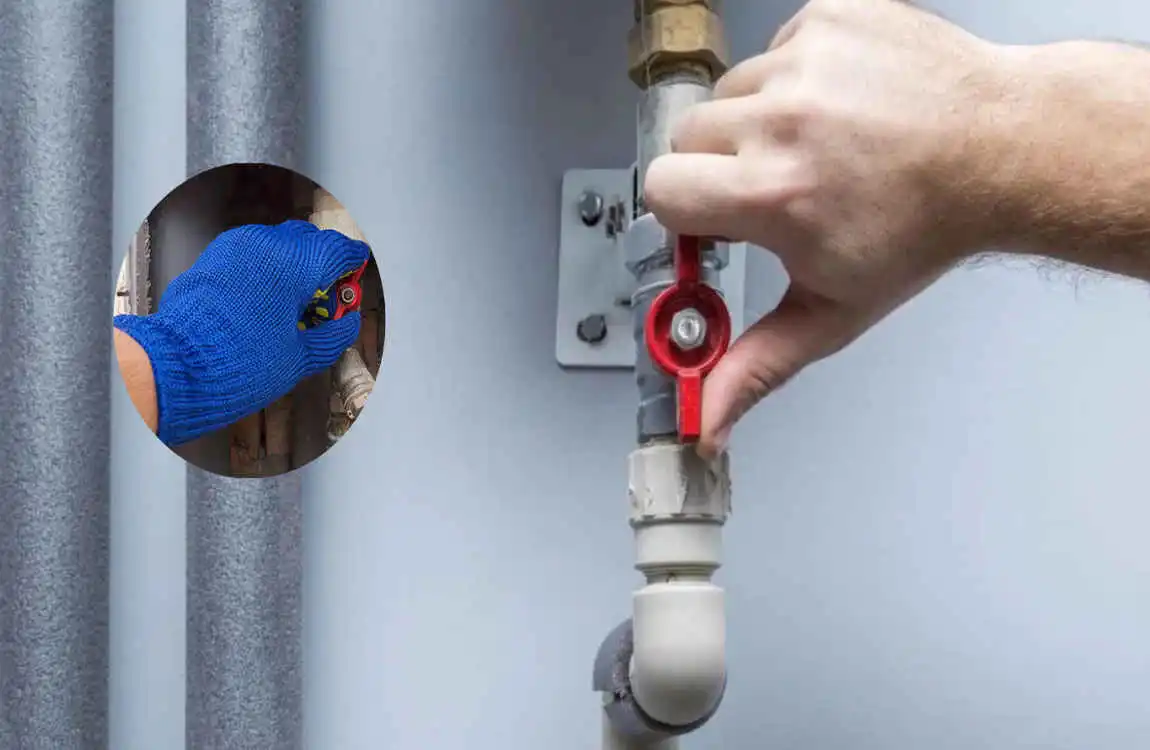
Understanding Plumbing Pipe Caps
A plumbing cap or plug closes the end of a pipe. It creates a barrier that prevents water, air, sewer gases, or debris from moving through an unused opening.
The right fitting depends on the pipe’s type, size, and purpose. A water-supply pipe and a drainpipe do not necessarily use the same type of fitting.
For example, a copper water line may require a compatible copper fitting. At the same time, a plastic pipe may use a fitting designed specifically for that plastic material.
The goal is simple: create a secure and reliable seal without damaging the existing plumbing.
When Should Plumbing Be Capped?
You may need to cap a plumbing line when you remove or replace a fixture. Common examples include removing a bathroom sink, kitchen sink, toilet, dishwasher, washing machine, or other appliance.
Capping can also be useful when a plumbing line is no longer needed after a remodeling project.
Don’t leave an unused line exposed. Even when no water is currently flowing through it, the pipe may still be connected to the home’s plumbing system.
Temporary vs. Permanent Capping
Temporary capping is generally used when you expect to reconnect the pipe later. You can remove the fitting when you reinstall the fixture or appliance.
Use permanent capping when a plumbing branch is no longer required. This type of work needs more attention because the connection may eventually be hidden behind a wall, floor, cabinet, or other finished surface.
For permanent changes, make sure the work follows applicable plumbing requirements.
Why Is It Important to Cap Off Home Plumbing?
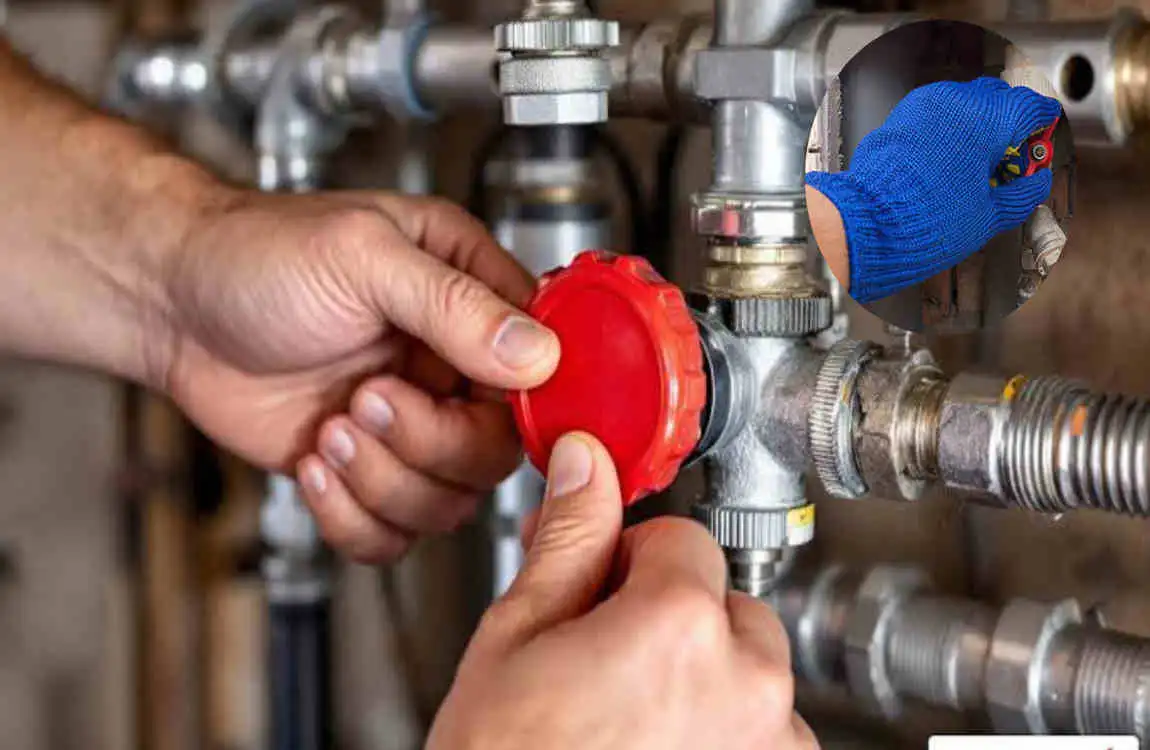
Prevent Water Leaks
One of the biggest reasons to cap an unused water line is to prevent leaks.
Water-supply pipes can contain pressurized water. If an open or poorly sealed pipe stays connected to the supply, water can escape when you turn the system back on.
Even a small leak can gradually damage cabinets, floors, walls, and other building materials.
A properly installed cap provides a closed endpoint and helps keep water where it belongs—inside the plumbing system.
Stop Sewer Gases and Odors
Drainpipes require special attention because they can be connected to the home’s sewer or waste system.
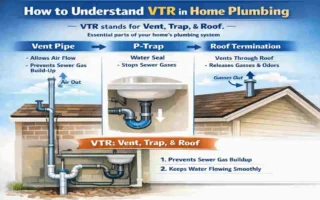
An open drain connection can let unpleasant odours and sewer gases enter indoor areas. This is one reason you should not leave an unused drain opening exposed.
Sealing the opening with an appropriate fitting creates a barrier between the drainage system and your living space.
If you notice a persistent sewer smell after removing a fixture, check whether you sealed the unused drain opening properly.
Protect Pipes From Debris
An uncapped pipe can collect dust, dirt, insects, and other debris.
This may become especially troublesome during construction or remodeling. Building materials and small particles can easily enter exposed openings.
A suitable cap keeps the opening protected until the plumbing is needed again or permanently closed.
Avoid Water Damage
Poorly secured plumbing can contribute to moisture problems. A leak inside a cabinet may seem minor at first. Still, ongoing moisture can damage wood, flooring, drywall, and surrounding materials.
Taking the time to properly seal an unused pipe can reduce the chance of these problems.
In simple terms, a small plumbing task can help prevent a much larger cleanup later.
How to Cap Off House Plumbing Safely
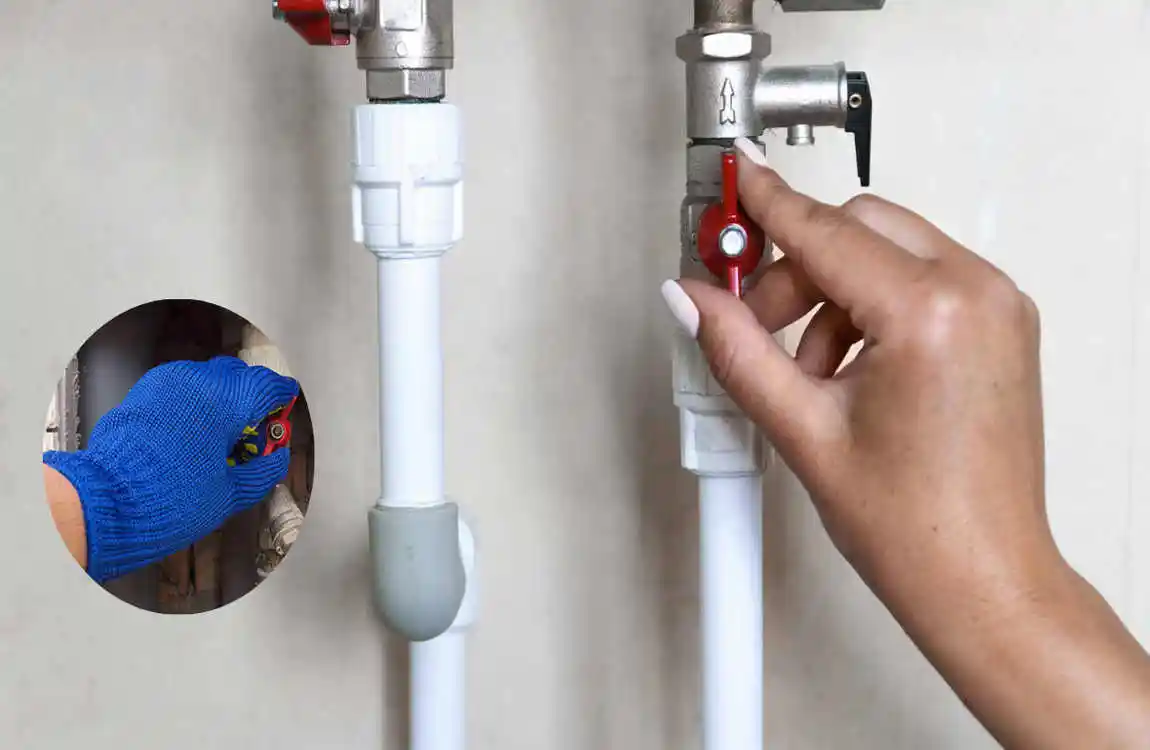
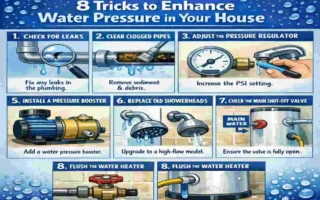
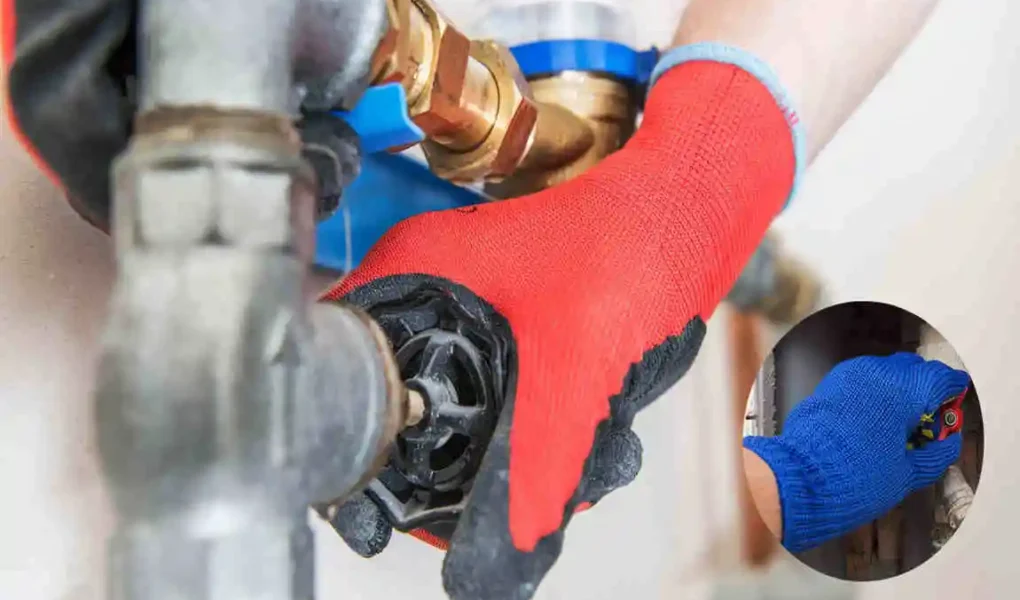
Turn Off the Water Supply
Before working on a water-supply pipe, turn off the appropriate water supply.
For a fixture, a nearby shutoff valve may be available. In other situations, you may need to shut off a larger section of the home’s water system.
Do not assume that closing a fixture valve has stopped all water in the pipe. Check the line carefully before disconnecting anything.
Drain Remaining Water
After shutting off the supply, open an appropriate faucet or connection to release remaining pressure.
Some water may remain inside the pipe. Have a container, towel, or other suitable protection available when disconnecting the line.
Reducing pressure makes the work cleaner and helps prevent an unexpected spray of water.
Identify the Correct Pipe and Cap
Before choosing a fitting, determine the type of pipe youare working with.
Look at the pipe material, diameter, connection type, and whether it is a water or drainage line.
Using a fitting that does not match the pipe can result in a poor seal. Plumbing fittings are designed for specific applications, so compatibility matters.
Secure the Cap Properly
The exact installation method depends on the plumbing material and connection.
Some fittings are attached mechanically, while others use connection methods designed for particular pipe materials. Follow the fitting manufacturer’s instructions and avoid forcing a connection that does not fit correctly.
After installation, inspect the area carefully. If the line is part of a pressurized water system, restore water pressure gradually and check for moisture.
Safety note: Permanent plumbing changes, concealed pipes, gas-related lines, or work subject to local plumbing codes may require a qualified plumber.
Common Methods for Capping Different Plumbing Pipes
Different plumbing materials require different fittings and installation methods. Never assume one type of cap works for every pipe.
Pipe TypeCommon Capping ApproachImportant Consideration
Copper Compatible copper termination fitting Correct size and connection method
PVC Compatible PVC cap or fitting Use fittings intended for PVC
CPVC Compatible CPVC fitting Material compatibility is important
PEX Compatible PEX termination fitting Use the correct PEX connection system
Drain/Waste Pipe Appropriate drain plug or fitting Seal the opening against sewer gases
Copper Pipes
Copper is commonly used for water-supply plumbing. An unused copper line needs a fitting suitable for copper and the connection method being used.
Clean and properly prepare the pipe before installing the fitting.
Because copper water lines can remain pressurized, always make sure the water supply is off and pressure has been released before beginning work.
PVC and CPVC Pipes
PVC and CPVC are plastic plumbing materials, but they are not automatically interchangeable for every application.
When capping either type, select a fitting specifically compatible with the pipe material.
A secure connection should fit correctly without excessive force. Always follow the product instructions for the fitting you’re using.
PEX Plumbing
PEX is flexible plastic tubing commonly used for water distribution.
Terminate an unused PEX line with a compatible PEX fitting rather than a random cap intended for another type of pipe.
The connection must match the PEX system and be installed correctly to remain secure under normal water pressure.
Drain and Waste Pipes
Drainpipes differ from water-supply lines because they must block not only water leakage but also sewer gases and odours.
When you remove a sink, toilet, or appliance, properly seal the remaining drain opening.
An appropriate drain fitting or plug can help prevent gases, odors, and unwanted materials from entering the home.
Common Mistakes to Avoid When Capping Plumbing
Using the wrong size cap: A fitting that doesn’t match the pipe can leak or come loose.
Leaving a drainpipe open: An exposed drain opening can allow unpleasant odors and sewer gases into the room.
Failing to shut off the water: Working on a pressurised water line can cause sudden water discharge and unnecessary damage.
Using incompatible materials: Plumbing components should suit the specific pipe and intended application.
Hiding an improperly capped pipe: Do not immediately cover a new connection with drywall, flooring, cabinets, or other finished materials. Check it first.
Ignoring local plumbing requirements: Local rules and inspection requirements may apply to permanent plumbing modifications.
Taking a few extra minutes to inspect your work can make a significant difference. Secure a pipe before you conceal it or leave it unattended.
FAQ
Can you cap off a plumbing pipe yourself?
Yes, a straightforward exposed pipe may be suitable for a DIY project if you understand the pipe type and use the correct compatible fitting. More complicated or permanent changes may require professional help.
What happens if you leave a plumbing pipe uncapped?
The result depends on the pipe. A water line may leak, while an open drain can allow odors and sewer gases into the home. An exposed pipe can also collect dirt and debris.
How do I cap off an unused water line?
First, shut off the appropriate water supply and release pressure from the line. Identify the pipe material and size, choose a compatible fitting, install it correctly, and check for leaks after restoring water pressure.
Can you permanently cap off a water pipe?
Yes. You can permanently terminate a water pipe when you no longer need it. The appropriate method depends on the pipe material, location, plumbing design, and applicable local requirements.
How do you cap off an unused drain pipe?
Close an unused drain opening with an appropriate drain fitting or plug. Proper sealing helps prevent sewer gases, odors, and debris from entering the home.