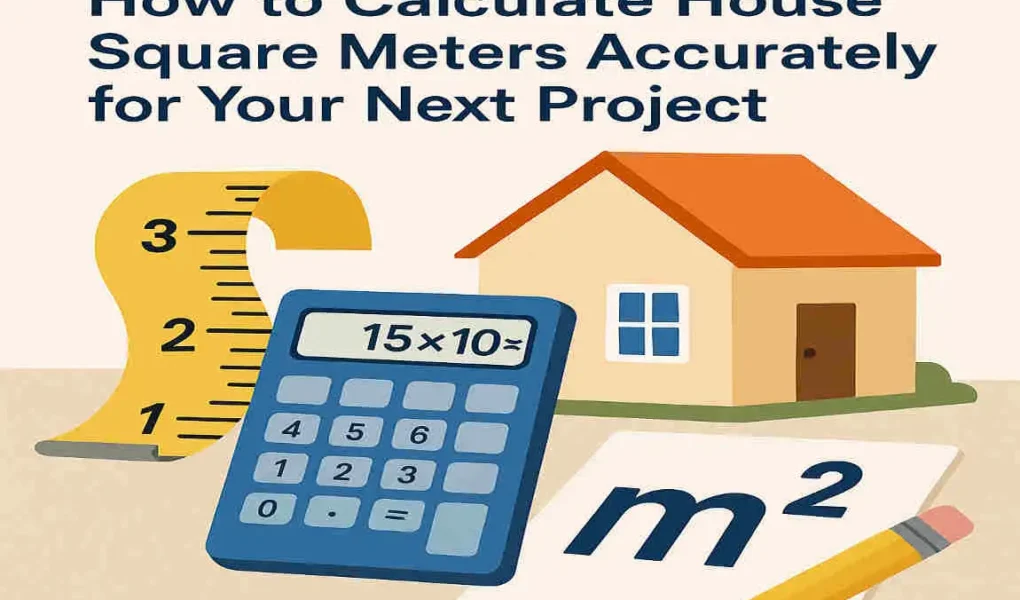
Are you planning your next home project? Whether it’s new construction, a renovation, or just figuring out your house’s value, accurately calculating your house’s square meters is crucial.
Understanding Square Meters in Home Projects
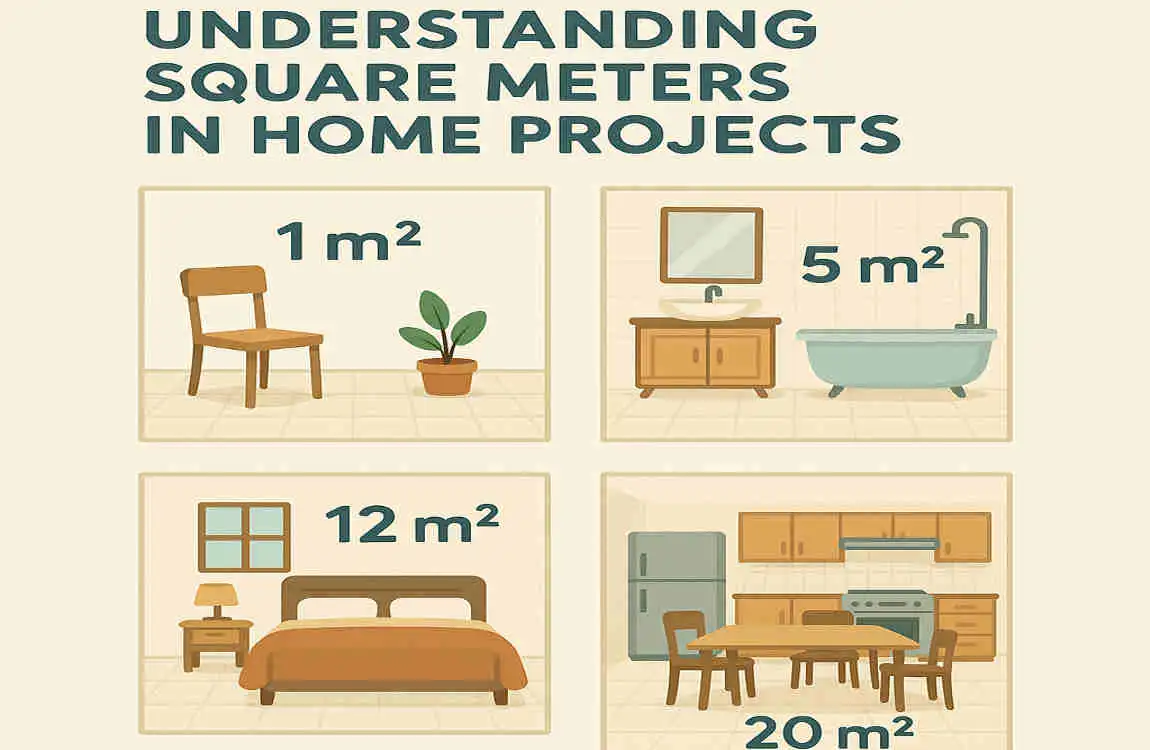
What Are Square Meters?
Before we dive into the house calculations, let’s make sure we’re on the same page. A square meter is a unit of area measurement equal to a square with sides that are 1 meter long. It’s different from square feet, which is another standard unit of area measurement.
Why Use Square Meters?
Square meters are the standard unit of area in many countries because they’re part of the metric system. This system is widely used worldwide, making it easier to communicate and compare measurements across regions.
Common Uses of House Square Meter Calculations
Knowing the exact square meters of your house is essential for various reasons. Here are a few common uses:
- Construction: When building a new home, accurate measurements are crucial for planning and budgeting.
- Renovation: If you’re renovating your existing home, knowing the square meters helps you estimate the amount of materials needed.
- Appraisal: When determining the value of your property, the square meters play a significant role.
Benefits of Knowing Exact Square Meters
By having an accurate measurement of your house’s square meters, you can:
- Plan your budget more effectively: Knowing the exact size of your project helps you estimate costs for materials and labor.
- Design your space more efficiently: With precise measurements, you can create a layout that maximizes your space and meets your needs.
- Comply with local regulations: Many building codes and zoning laws are based on square meter measurements, so accurate calculations are essential for compliance.
Tools Needed to Calculate House Square Meters
To accurately calculate the square meters of your house, you’ll need the right tools. Let’s take a look at the essentials:
Measuring Tape
A measuring tape is a must-have for any home project. When choosing a measuring tape, consider the following:
- Types: There are various types of measuring tapes, such as retractable, open reel, and long tape measures. Choose one that suits your project’s needs.
- Accuracy: Look for a measuring tape with clear, easy-to-read markings and a sturdy construction for accurate measurements.
Laser Distance Measurer
A laser distance measurer is a handy tool that can improve the accuracy and speed of your measurements. Here are the pros and cons:
- Pros: Laser distance measurers are quick, easy to use, and can measure long distances accurately.
- Cons: They can be more expensive than traditional measuring tapes and may not work well in bright sunlight or on reflective surfaces.
Graph Paper and Digital Tools
In addition to physical tools, you’ll also need some materials for recording and calculating your measurements:
- Graph paper: Use graph paper to sketch your house layout and take notes on your measurements.
- Digital tools: There are various apps and software available that can help you calculate the area of your house based on your measurements.
Preparing for Measurements
Before you start measuring, take some time to prepare your space:
- Clear the area: Remove any furniture or obstacles that might get in the way of your measurements.
- Take notes: Keep a notebook or use a digital tool to record your measurements and any important details.
Step-by-Step Guide: How to Calculate House Square Meters Manually
Now that you have the right tools and a prepared workspace, let’s dive into the step-by-step process for manually calculating your house’s square meters.
Divide Your House Layout into Simple Geometric Shapes
The first step is to break down your house layout into simple geometric shapes, such as rectangles, squares, and triangles. This will make it easier to measure and calculate the area of each section.
Measure Length and Width Accurately for Each Section
Using your measuring tape or laser distance measurer, carefully measure the length and width of each section. Be sure to take multiple measurements to ensure accuracy and double-check your work.
Calculate the Area of Each Section Using the Length × Width Formula
Once you have your measurements, use the simple formula of length × width to calculate the area of each section. For example, if a room is 5 meters long and 3 meters wide, its area is 5 × 3 = 15 square meters.
Sum the Areas for Total Square Meters
After calculating the area of each section, add them all up to get the total square meters of your house. For example, if you have three rooms with areas of 15, 20, and 10 square meters, the total would be 15 + 20 + 10 = 45 square meters.
Handling Irregular and Odd Shapes
If your house has irregular or odd-shaped sections, such as triangles or circles, you may need to use more advanced formulas to calculate their areas. For example, the area of a triangle is calculated using the formula (base × height) ÷ 2, while the area of a circle is calculated using the formula π × radius^2.
Tips for Double-Checking Your Measurements
To ensure the accuracy of your calculations, be sure to double-check your measurements and calculations:
- Measure twice: Always take multiple measurements of each section to ensure consistency.
- Use different methods: Try using both a measuring tape and a laser distance measurer to compare your results.
- Check your math: Double-check your calculations to make sure you haven’t made any errors.
Using Technology to Simplify Calculations
While manual calculations can be practical, technology can help simplify the process and improve accuracy. Let’s explore some tech tools for calculating the square meters of a house.
Laser Distance Measurers
As mentioned earlier, laser distance measurers can be a valuable tool for accurate measurements. They work by emitting a laser beam and measuring the time it takes for the beam to bounce back from the target. This allows for quick and precise measurements, even at long distances.
Smartphone Apps
There are various smartphone apps available that can help you calculate the square meters of your house based on your measurements. These apps often let you enter your measurements and automatically calculate the area, saving you time and reducing the risk of errors.
Software for Architects and Builders
For more complex projects, architects and builders may use specialized software to generate floor plans and calculate a house’s area. These programs often have advanced features, such as the ability to create 3D models and automatically calculate the area of irregular shapes.
Advantages and Possible Limitations of Tech Tools
While technology can be a great help, it’s essential to be aware of its limitations:
- Advantages: Tech tools can save time, improve accuracy, and provide more advanced features for complex projects.
- Limitations: Some tools may require a learning curve, and their accuracy can be affected by factors such as lighting conditions or reflective surfaces.
Common Mistakes to Avoid When Calculating Square Meters
Even with the right tools and techniques, it’s easy to make mistakes when calculating a house’s square meters. Here are some common errors to watch out for:
Confusing Square Meters and Linear Meters
One of the most common mistakes is confusing square meters with linear meters. Remember that square meters measure area, while linear meters measure length. Be sure to use the correct units when taking measurements and performing calculations.
Ignoring Wall Thickness and Unusable Space
When measuring your house, don’t forget to account for the thickness of walls and any unusable space, such as closets or storage areas. These can add up and affect your overall square meter calculation.
Forgetting to Convert Units
If you’re measuring in feet or inches, convert your measurements to meters before calculating the area. Failing to do so can result in inaccurate calculations and skewed results.
Not Accounting for Multi-Story Buildings or Split-Level Designs
If your house has multiple stories or a split-level design, be sure to measure and calculate the area of each level separately. Simply multiplying the square meters of a single level by the number of stories can yield inaccurate results.
Tips to Avoid Errors and Ensure Accuracy
To minimize the risk of errors and ensure accurate calculations:
- Double-check your measurements: Always take multiple measurements and compare your results to ensure consistency.
- Use the right tools: Choose the appropriate measuring tools for your project and use them correctly.
- Keep detailed notes: Record your measurements and calculations carefully, and keep track of any assumptions or estimates you make along the way.
How Accurate Calculation Affects Project Budgeting and Planning
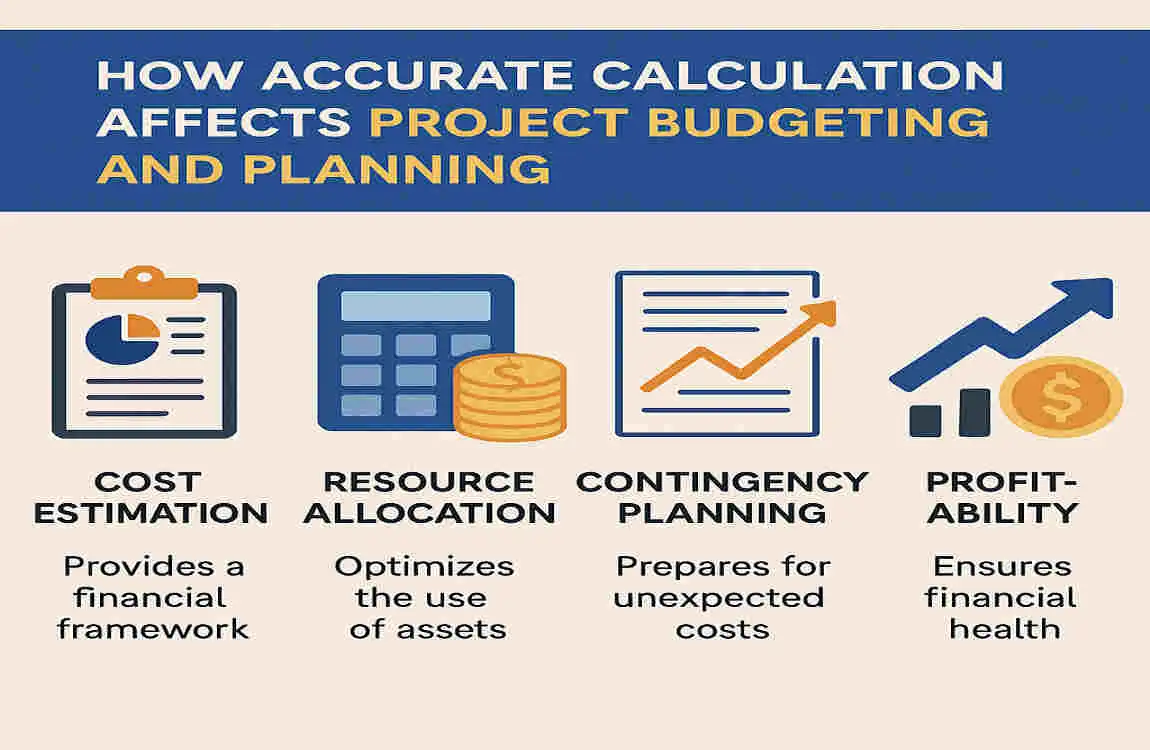
Accurate calculations of your house’s square meters can significantly impact your project’s budget and planning. Let’s explore some of the ways precise measurements can help you stay on track.
Impact on Cost Estimations
When estimating the costs of materials like flooring, paint, and drywall, accurate square meter measurements are essential. Knowing the exact size of your project helps you determine the amount of materials needed and avoid costly overages or shortages.
Influence on Contractor Bids and Quotes
When hiring contractors for your project, accurate square meter measurements can help you get more accurate bids and quotes. Contractors often base their estimates on project size, so providing precise measurements can help ensure you’re getting fair, competitive prices.
Planning HVAC, Electrical, and Plumbing
The size of your house also affects the planning and installation of HVAC, electrical, and plumbing systems. Accurate square meter measurements help you determine the appropriate size and capacity of these systems, ensuring they meet your needs and comply with local codes and regulations.
Avoiding Costly Overruns
One of the most significant benefits of accurate square meter calculations is the ability to avoid costly overruns. Knowing the exact size of your project lets you plan and budget more effectively, reducing the risk of unexpected expenses and delays.
Regional Variations and Standards in Measuring House Square Meters
When calculating house square meters, it’s essential to be aware of regional variations and standards. Different countries and regions may use other methods to measure and report square meters, which can affect your calculations and compliance with local regulations.
Differences in Measurement Standards
In some countries, square meters may be calculated differently than in others. For example, some regions may include balconies, garages, or basements in their square meter calculations, while others may exclude these areas.
What Areas Are Included and Excluded
When measuring your house’s square meters, be sure to check local standards and regulations to determine which areas should be included or excluded. This can vary widely depending on your location and the specific requirements of your project.
Ensuring Compliance with Local Building Codes and Regulations
To ensure compliance with local building codes and regulations, it’s essential to use the correct measurement standards and include or exclude the appropriate areas. Failing to do so can result in delays, fines, or even the need to redo your calculations and plans.
Case Study: Calculating Square Meters for a Sample House Layout
To help illustrate the process of calculating house square meters, let’s walk through a sample case study. Imagine you have a house with the following layout and dimensions:
Room Length (m)Width (m)Area (m²)
Living Room 6 4 24
Kitchen 3 3 9
Bedroom 1 4 3 12
Bedroom 2 3 3 9
Bathroom 2 2 4
To calculate the total square meters of this house, you would add up the areas of each room:
24 + 9 + 12 + 9 + 4 = 58 square meters
Based on these calculations, you can now estimate the amount of house materials needed for your project and plan your budget accordingly. For example, if you’re planning to install new flooring, you would need 58 square meters of flooring material.