
To clean out house plumbing pipes, remove visible debris, flush with very hot tap water, plunge, clean the P-trap, then use a drain snake for deeper clogs. Avoid harsh chemical openers, keep grease out of drains, and call a plumber if several fixtures back up at the same time.
Why do house plumbing pipes clog?
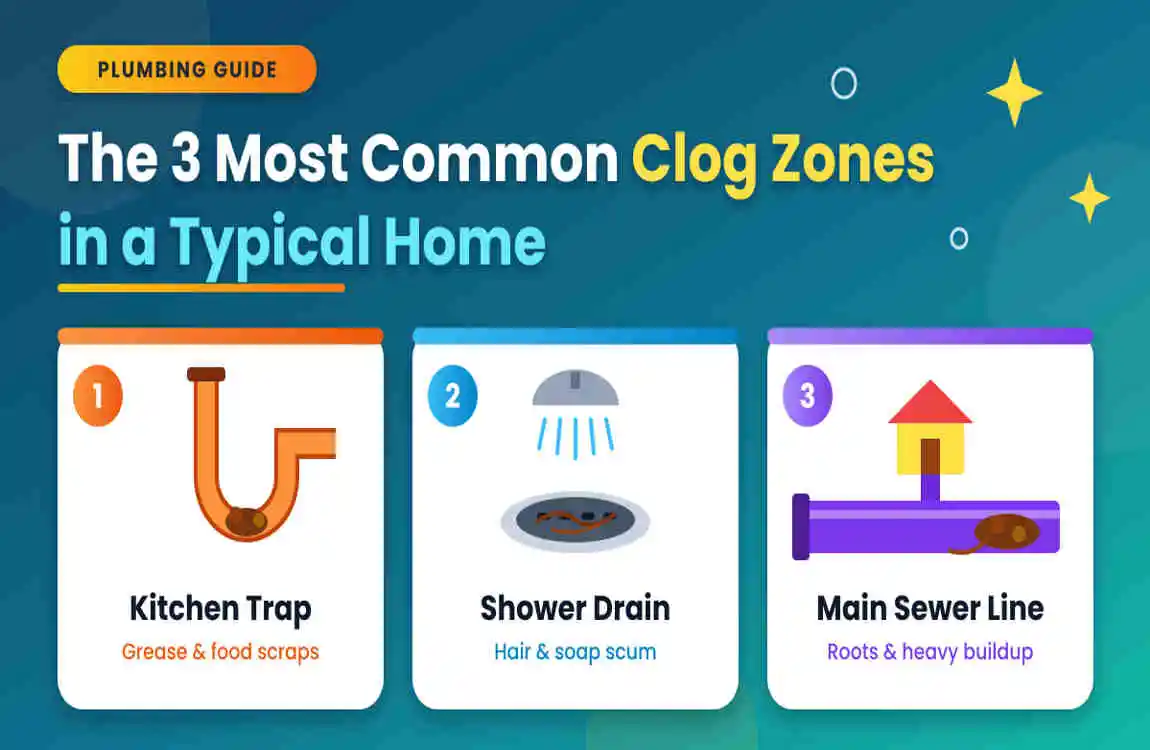
House plumbing pipes clog when waste sticks to the pipe walls and gradually narrows the path for water. The biggest culprit is fats, oils and grease, usually shortened to FOG. The City of Calgary explains that FOG poured down the sink clings to pipe walls and, over time, leads to blocked pipes and sewer backups, and that even small amounts add up.
Other common causes include:
- Hair and soap scum in bathroom sinks and showers.
- Wipes, including ones labeled flushable. Pittsburgh Water warns that wipes do not break down like toilet paper and can combine with grease to form large blockages known as fatbergs.
- Food scraps and coffee grounds that settle in kitchen lines.
- Small objects such as cotton swabs and dental floss that catch in the trap and trap other debris.
Warning signs your plumbing pipes need cleaning
Catch problems early and you can often fix them in minutes. Watch for these signals:
- Water draining slowly in a sink, tub or shower.
- Gurgling sounds after flushing or running water.
- Recurring bad smells from a drain.
- Water pooling around a shower or tub floor drain.
- More than one fixture backing up at the same time, which suggests a blockage deeper in the system.
How to clean out house plumbing pipes, step by step
Work from the gentlest method to the strongest. Stop as soon as water flows normally.
What you will need
Rubber gloves, safety glasses, a bucket, a sink plunger, adjustable pliers, a drain snake (also called an auger) and old towels.
Remove visible debris
Pull out the stopper or strainer and clear any hair and gunk by hand. Many bathroom clogs start right here, and a small plastic drain catcher can do this job for you later.
Try very hot water on a slow drain
The EPA suggests boiling water or a drain snake instead of chemical openers for a clogged drain. As a precaution, many homeowners choose very hot tap water rather than boiling water if the drain has plastic pipes or older joints, and you should never pour boiling water into a toilet because it can crack porcelain. Pour slowly in two or three rounds and give it a minute between each.
Plunge the drain
Fill the sink with a few inches of water, cover the overflow opening with a wet cloth, seal the plunger over the drain and use firm, steady strokes. Plunging pushes and pulls the blockage without introducing chemicals.
Clean the P-trap
If plunging fails, the clog is often in the curved pipe under the sink. The Family Handyman advises taking the P-trap apart and cleaning it by hand if plunging has no effect, since debris or congealed grease is often lodged there.
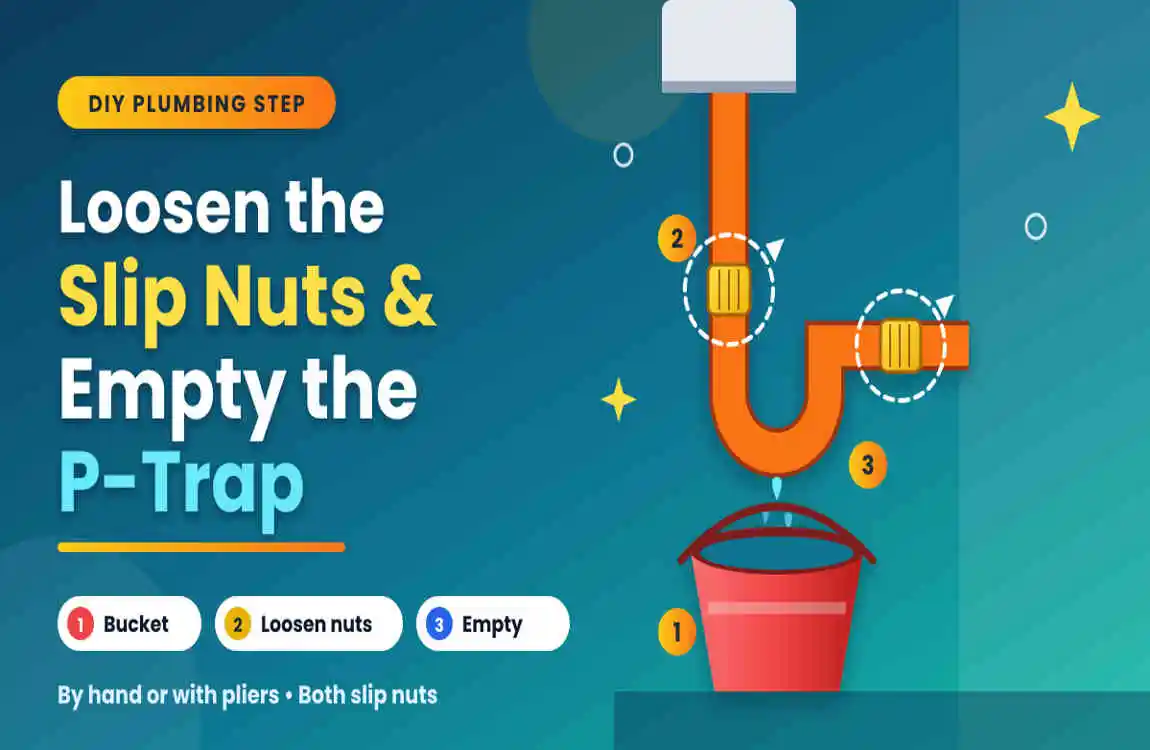
- Set a bucket under the trap and put on gloves.
- Loosen the slip nuts at both ends of the trap and lower it away.
- Empty and rinse the trap in a utility sink or outdoors, then check the pipe stubs for buildup.
- Reassemble snugly, run water and look for leaks.
Snake the drain
A drain snake reaches beyond the trap. This Old House describes feeding the snake slowly into the drain while turning the handle clockwise until you feel resistance, then working it back and forth to break up the clog pipe.

Do not force it. Bob Vila cautions against pounding at a blockage with the auger because that can damage trap connectors or pipes.
Flush and test
Run water for a minute or two, check that the drain flows freely and look under the sink for leaks. If it still drains slowly, repeat once, then move on to the professional options below.
Does baking soda and vinegar really clean pipes?
It is popular, but it is better as light freshening than as a clog remover. Tasting Table notes that the combination mostly produces carbon dioxide, water and a little salt, and the fizzing is the gas escaping. In practice, use it for odors and routine maintenance, then rinse with water. Do not expect it to dissolve a compacted hair or grease clog.
Why to be careful with chemical drain cleaners
Safety first: Poison Control states that many drain cleaners contain highly concentrated corrosive chemicals and must be used with great caution. Never mix cleaning products. Poison Control also warns against combining bleach with ammonia or acids because it can release toxic gas.
- Burn risk: The CDC’s ToxFAQs on sodium hydroxide (lye) say exposure to the solid or concentrated liquid can cause severe burns to the eyes, skin and digestive tract.
- Splashback risk: The Family Handyman advises not to plunge or snake a drain after pouring in a drain cleaner, because the chemicals can burn skin if they splash.
- Septic systems: The EPA tells septic owners to avoid chemical drain openers and says toxins poured down drains can harm the living organisms that treat household waste.
If you have used a chemical cleaner and it did not work, tell your plumber before they start so they can protect themselves.
Drain cleaning methods compared
| Method | Best for | Limits |
|---|---|---|
| Hand removal of debris | Hair and gunk at the drain opening | Only reaches the surface |
| Plunger | Soft, nearby blockages | Weak against compacted or distant clogs |
| P-trap cleaning | Trap-level clogs, dropped objects | Messy; needs a bucket and basic tools |
| Drain snake (auger) | Hair and clogs past the trap | Takes care to avoid scratching or damaging pipes |
| Enzyme cleaners | Slow monthly maintenance | Work gradually, not an emergency fix |
| Professional snaking or hydro jetting | Main line clogs, recurring buildup | Cost; pipes should be inspected first |
| Chemical openers | Rarely recommended | Burn and fume hazards; avoid with septic systems |
How to keep your plumbing pipes clean
Prevention is the cheapest way to avoid cleaning out pipes at all.
- Put grease in the bin, not the sink. Pittsburgh Water recommends wiping FOG off dishes with paper towels and pouring cooled oil into a sealable container for the trash.
- Rinse greasy pans with cold water first. The City of Melbourne, Florida explains that hot water melts grease off dishes, and it can cool and clog pipes farther down.
- Flush only toilet paper and human waste. UC Berkeley’s EHS flyer says products marketed as flushable should still never be flushed.
- Use strainers in kitchen sinks, showers and tubs.
- Do not use sinks as trash cans, especially for coffee grounds and food scraps.
Special note for septic systems
According to the EPA’s SepticSmart guidance, a typical septic system should be inspected at least every three years by a licensed contractor, with the tank generally pumped every three to five years as the inspector recommends.
When to call a plumber
Hand tools have limits. Call a licensed plumber when:
- Multiple drains are slow or backing up at once.
- The clog returns within days of snaking.
- You smell sewage or see water backing up in a floor drain.
- You have used a chemical cleaner without success.
The Family Handyman notes that clogs in a main sewer or waste line usually affect more than one fixture and are often too deep for conventional augers. Plumbers may use a camera inspection and hydro jetting. Angi reports that snaking is often chosen for older homes or weakened pipes because it applies less pressure than hydro jetting, and that a camera inspection costs far less than replacing a sewer line.
Frequently asked questions
How do you clean out house plumbing pipes?
Start by removing visible debris, then try very hot tap water, a plunger, a cleaned P-trap and finally a drain snake. Use enzyme or gentle maintenance cleaners afterward and call a plumber for main line problems.
How often should you clean your plumbing pipes?
Empty strainers weekly, clean stoppers monthly, and do a deeper maintenance clean each quarter. If you have a septic system, follow the EPA’s inspection guidance of at least every three years.
Is it safe to use chemical drain cleaners?
They carry real hazards. Poison Control calls many of them highly concentrated corrosive products, and the EPA recommends septic owners avoid them. Try mechanical methods first and never mix products.
Does baking soda and vinegar really clean pipes?
It can freshen a drain, but it will not clear a real clog because the reaction produces mostly carbon dioxide, water and a little salt.
Can I use boiling water to clean pipes?
The EPA lists boiling water as an alternative to chemical drain openers. Use caution with plastic pipes, older joints and toilets, and prefer very hot tap water if you are unsure.
What should never go down the drain?
Fats, oils and grease, wipes (including flushable ones), coffee grounds, dental floss, cotton swabs and paint or solvents should stay out of your drains.
Sources
- U.S. EPA: How to Care for Your Septic System
- U.S. EPA: SepticSmart Brochure
- Poison Control: Cleaning Products
- Poison Control: Chlorine Gas, What Happens If You Mix Bleach and Other Cleaners
- CDC ATSDR: ToxFAQs for Sodium Hydroxide
- This Old House: How to Snake a Clogged Drain
- The Family Handyman: How to Clear Clogged Drains
- The Family Handyman: How to Clean and Unclog a Kitchen Sink Drain
- Bob Vila: The Dos and Don’ts of Clearing a Clogged Sink
- City of Calgary: Protect Your Pipes
- Pittsburgh Water: Defend Your Drains
- City of Melbourne, Florida: Protect Your Pipes
- UC Berkeley EHS: Sewer Protection Outreach Flyer
- Angi: What Is Hydro Jetting and When Do You Need It?
- Tasting Table: Pouring Vinegar Down Drains May Not Prevent Future Problems