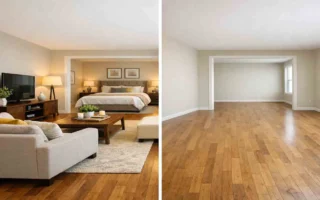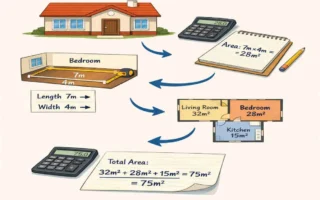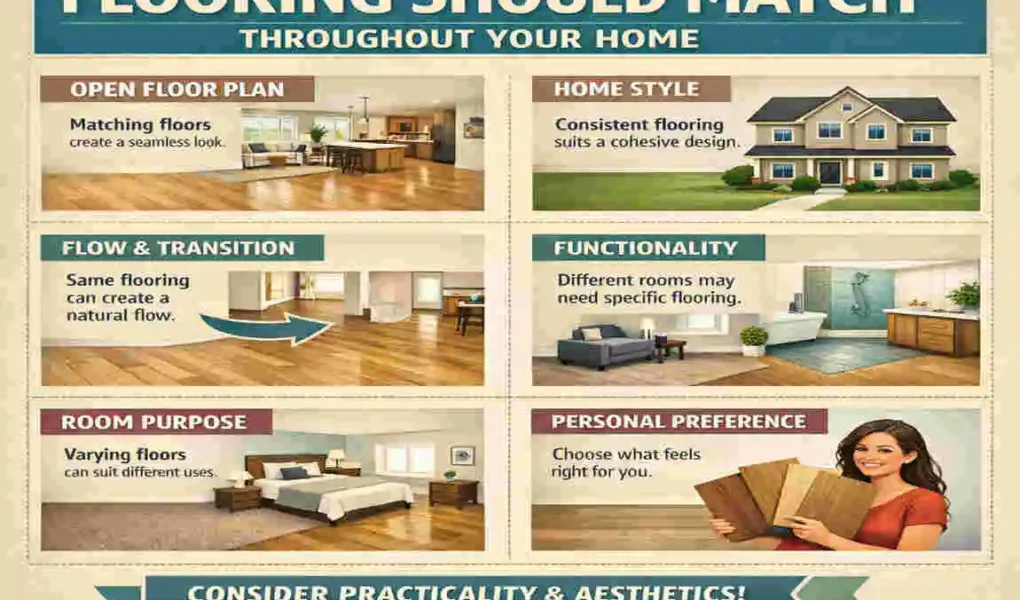
When you walk from one room to the next, the floor beneath your feet can either blend seamlessly or create a clear visual break. Deciding whether flooring should match throughout the house isn’t a one‑size‑fits‑all answer—it depends on each space’s layout, style, and everyday needs.
| Factor | Recommended Approach |
|---|---|
| Open Floor Plan | Use matching or coordinating flooring |
| Small Home | Consistent flooring can make rooms feel larger |
| Bedrooms | Choose comfortable flooring that fits your style |
| Kitchen | Prioritize durable, easy-to-clean flooring |
| Bathrooms | Use moisture-resistant flooring |
| High-Traffic Areas | Select strong, durable materials |
| Different Flooring | Keep colors and styles coordinated |
| Overall Design | Match flooring with walls, furniture, and décor |
Understanding Whether Flooring Should Match Throughout the House
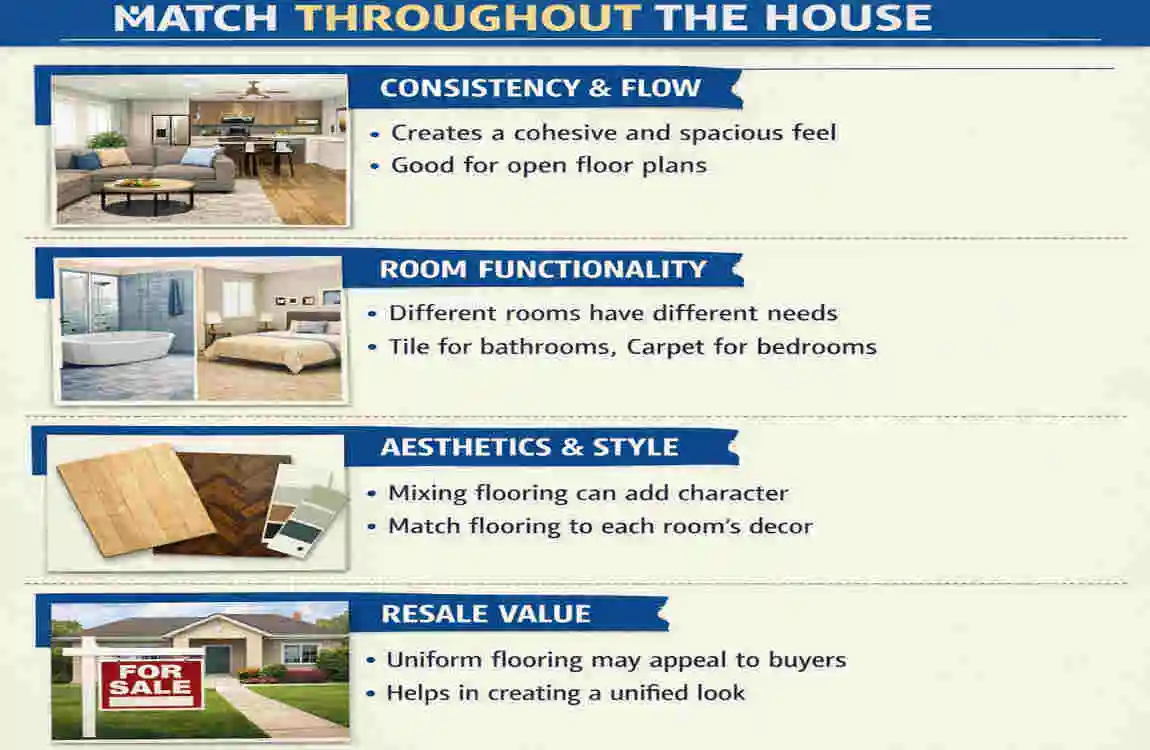
Most homeowners assume that a single flooring material will automatically look better, but that’s not always the case. Consistent flooring can create a smooth, connected appearance, while mixing materials can define rooms and meet specific functional needs.
Why Consistent Flooring Can Look Better
- Visual flow – A continuous floor guides the eye, making spaces feel linked.
- Illusion of size – Uninterrupted surfaces can make smaller rooms appear larger.
- Design cohesion – Matching materials help the whole interior feel unified.
When Different Flooring Makes Sense
- Moisture‑prone rooms like bathrooms and kitchens need water‑resistant options.
- Bedrooms often benefit from softer, warmer surfaces such as carpet or engineered wood.
- Functional variety – High‑traffic entryways, quiet study nooks, or playrooms may each need a distinct level of durability.
Should Flooring Match Throughout House? Key Factors to Consider

Before you pick a single material, weigh these considerations.
Home Layout and Room Connections
Open‑concept layouts thrive on continuous flooring because fewer walls separate zones. In homes with clearly defined rooms, you have more freedom to switch materials without disrupting flow.
Interior Design Style
Your floor should work well with wall colours, furniture, cabinets, and trim. A modern minimalist home might stick to sleek, uniform planks, while a farmhouse feel could mix reclaimed wood with cozy rugs.
Room Function and Practicality
- Living rooms & hallways – durability and easy maintenance.
- Bedrooms – comfort and warmth.
- Kitchens – slip‑resistance and water resistance.
- Bathrooms – waterproof or watertight surfaces.
Benefits of Using the Same Flooring Throughout Your Home
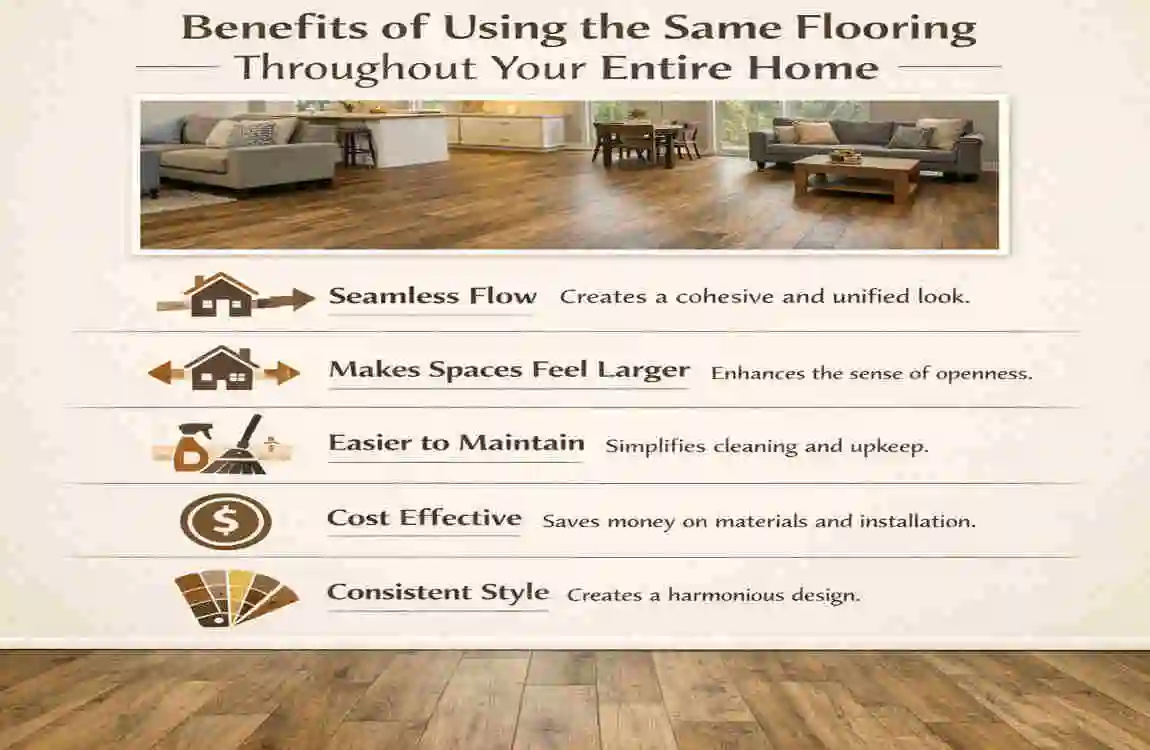
Keeping one primary flooring type offers several advantages.
Creates a Cohesive Look
A unified floor ties together disparate design elements, making the overall interior feel thoughtfully designed.
Makes Spaces Feel Larger
When your eye isn’t interrupted by a change in material, rooms appear more spacious and inviting.
Simplifies Design Decisions
Choosing one material means fewer worries about matching colours, textures, or patterns across rooms.
Can Improve Home Resale Appeal
Buyers often appreciate a polished, cohesive aesthetic, though personal taste varies. A well‑executed, consistent floor can be a selling point.
When You Should Use Different Flooring in Different Rooms
Mixing flooring isn’t a mistake when it serves a purpose.
Wet Areas
Bathrooms, laundry rooms, and mudrooms benefit from water‑resistant vinyl, tile, or waterproof engineered wood.
Bedrooms and Comfortable Spaces
Carpet, plush rugs, or softer hardwood can add warmth and a quiet feel that’s perfect for rest.
High‑Traffic Areas
Entrances, hallways, and kitchens need durable materials like ceramic tile, luxury vinyl, or high‑grade laminate.
Creating Visual Zones
A change in flooring can define a dining area, office nook, or play space without adding a wall.
How to Mix Different Flooring Without Making Your Home Look Disconnected
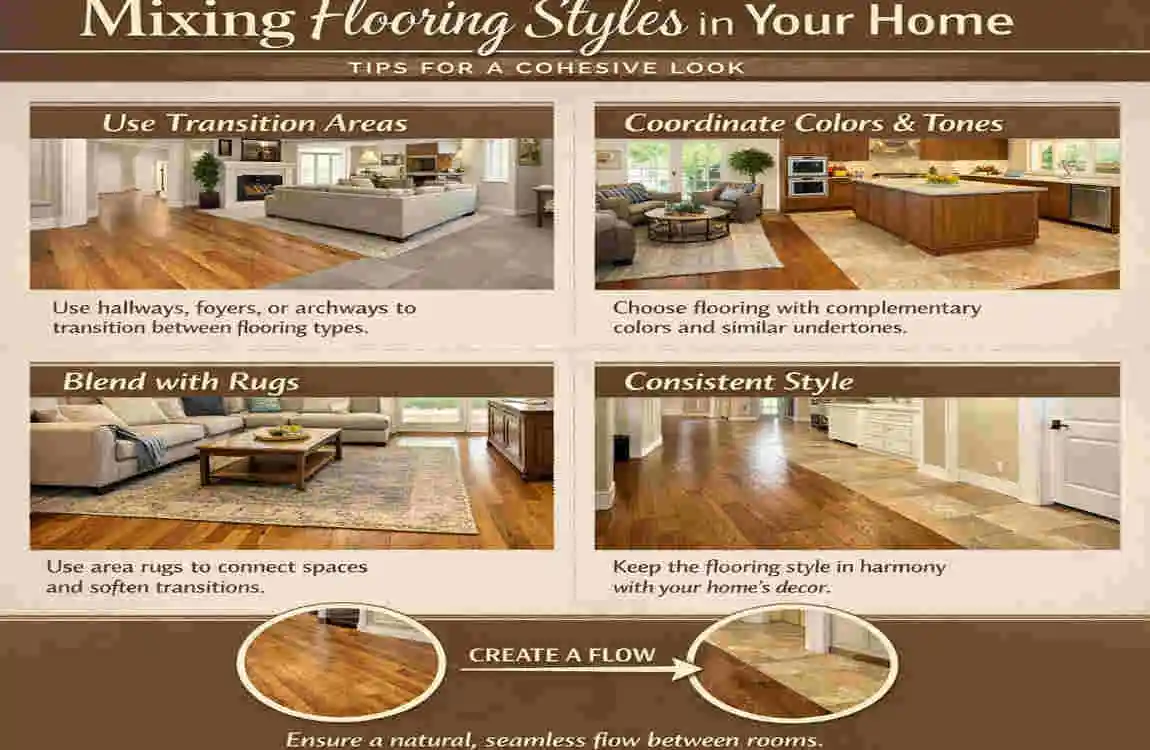
Even with multiple materials, you can keep a harmonious look.
Keep Colours and Undertones Compatible
Choose floors that share similar undertones—for example, warm honey‑toned oak in the living area paired with a slightly lighter oak in the bedroom.
Use Transitions Carefully
Simple transition strips or threshold mouldings soften the visual break and guide foot traffic.
Limit the Number of Flooring Styles
Stick to two or three complementary materials to avoid a cluttered feel.
Repeat Flooring for Better Flow
Re‑using a single material in key connecting spaces (like the hallway and kitchen) helps maintain continuity.
Frequently Asked Questions
Should flooring match throughout house?
No. It’s not mandatory, but coordinating colours, materials, and styles helps create a cohesive feel.
Is it better to have the same flooring throughout the house?
Using the same flooring can make a home feel more connected and spacious, yet different flooring may be more practical for certain rooms.
Can you mix different types of flooring in a house?
Yes. When the choices complement each other in colour, texture, and overall design, mixing works beautifully.
Should kitchen and living room flooring match?
In an open‑plan layout, matching or closely coordinated flooring creates a seamless transition between these spaces.
Should bedrooms have the same flooring as the living room?
Not necessarily. Bedrooms can use softer or warmer flooring to enhance comfort and create a distinct vibe.