Toilet paper is designed to be flushed, but not every type performs the same way. Some varieties are thin and break apart quickly, while others are thick, soft, and highly layered.
| Factor | What to Look For | Why It Matters |
|---|---|---|
| Dissolving Speed | Toilet paper that breaks down quickly in water | Helps reduce the risk of clogs |
| Ply | 1-ply or 2-ply options that dissolve easily | Very thick paper may be harder for some systems to handle |
| Septic-Safe Label | Look for “septic safe” when you have a septic system | Indicates the product is designed with septic systems in mind |
| Strength | Adequate strength without being excessively thick | Balances comfort with easy breakdown |
| Material | Recycled or readily biodegradable paper | Often designed to break down efficiently |
| Fragrance & Additives | Simple, minimally treated toilet paper | Fewer unnecessary additives can be preferable for septic systems |
| House Plumbing Age | Thinner, quick-dissolving paper for older plumbing | Older pipes may be more vulnerable to blockages |
| Flushing Amount | Use a reasonable amount per flush | Excessive toilet paper can cause blockages even when the paper is plumbing-safe |
| Flush Performance | Paper should clear the bowl without repeated flushing | Helps prevent unnecessary strain on the toilet and drain |
| Best Overall Choice | Soft, durable, fast-dissolving toilet paper | Provides a practical balance for most household plumbing systems |
| Avoid Flushing | Paper towels, facial tissues, and wipes | These products may not break down like toilet paper and can contribute to clogs |
Your plumbing type also matters. A standard household toilet may handle ordinary two-ply paper without difficulty. At the same time, an older plumbing system or septic tank may benefit from faster-dissolving paper.
What Makes Toilet Paper Safe for House Plumbing?
Quick Dissolving Toilet Paper
Toilet paper that breaks down quickly in water is generally easier for your toilet and drain pipes to handle. When the paper separates into smaller pieces, it can move through the plumbing more easily.
Very thick paper may take longer to break apart. If you flush large amounts together, the material can contribute to a blockage.
This does not mean that all thick toilet paper is unsafe. The key factors are how quickly it breaks down and how much you flush at once.
Septic-Safe and Plumbing-Safe Labels
You may see terms such as “septic safe,” “septic-friendly,” or “rapid dissolving” on toilet paper packaging.
These labels can help you identify products designed to break down more easily. However, the label should not be your only consideration.
Your toilet’s flushing power, pipe condition, drain design, and usage habits also affect how well toilet paper moves through the system.
Softness vs. Strength
Soft, thick toilet paper can feel comfortable, but extra layers can mean more material enters the plumbing with each flush.
Thinner toilet paper often breaks apart quickly, which can help with older pipes, sensitive plumbing, or homes that experience frequent toilet clogs.
The goal is not necessarily to choose the thinnest paper available. Instead, choose a product that balances comfort, strength, and easy breakdown.
What Is the Best Toilet Paper for House Plumbing?
Single-Ply vs. Multi-Ply Toilet Paper
Single-ply toilet paper has one layer and generally uses less material per sheet. Two-ply has two layers and is a common choice for everyday household use.
Three-ply and thicker varieties can provide greater softness and strength. Still, they may put more paper into the plumbing when used in large quantities.
For many homes, good-quality two-ply toilet paper that breaks down readily can be a practical middle ground.
Recycled Toilet Paper
Recycled toilet paper can be a useful option for homeowners who want paper designed to break down without being excessively thick.
However, recycled products vary by brand. Rather than choosing based only on the word “recycled,” check whether the product is intended for septic and household plumbing use and consider how easily it breaks apart.
Rapid-Dissolving Toilet Paper
Rapid-dissolving toilet paper is specifically useful when easy breakdown is a priority.
It can be especially practical for homes with septic systems, older plumbing, low-flow toilets, or recurring concerns about toilet blockages.
If your home frequently struggles with clogs, choosing paper that breaks apart easily can be one simple step toward reducing the amount of material moving through the pipes.
How to Test if Toilet Paper Is Plumbing-Friendly
The Water Dissolving Test
You can perform a simple test at home. Place a small amount of toilet paper in a clear container of water and gently stir.
Watch how the paper behaves. Paper that separates and breaks apart relatively quickly is generally better for moving through plumbing than paper that stays a large, intact sheet.
This test is only a basic comparison and does not perfectly reproduce what happens inside your toilet or drain pipes.
Check Your Toilet’s Flushing Performance
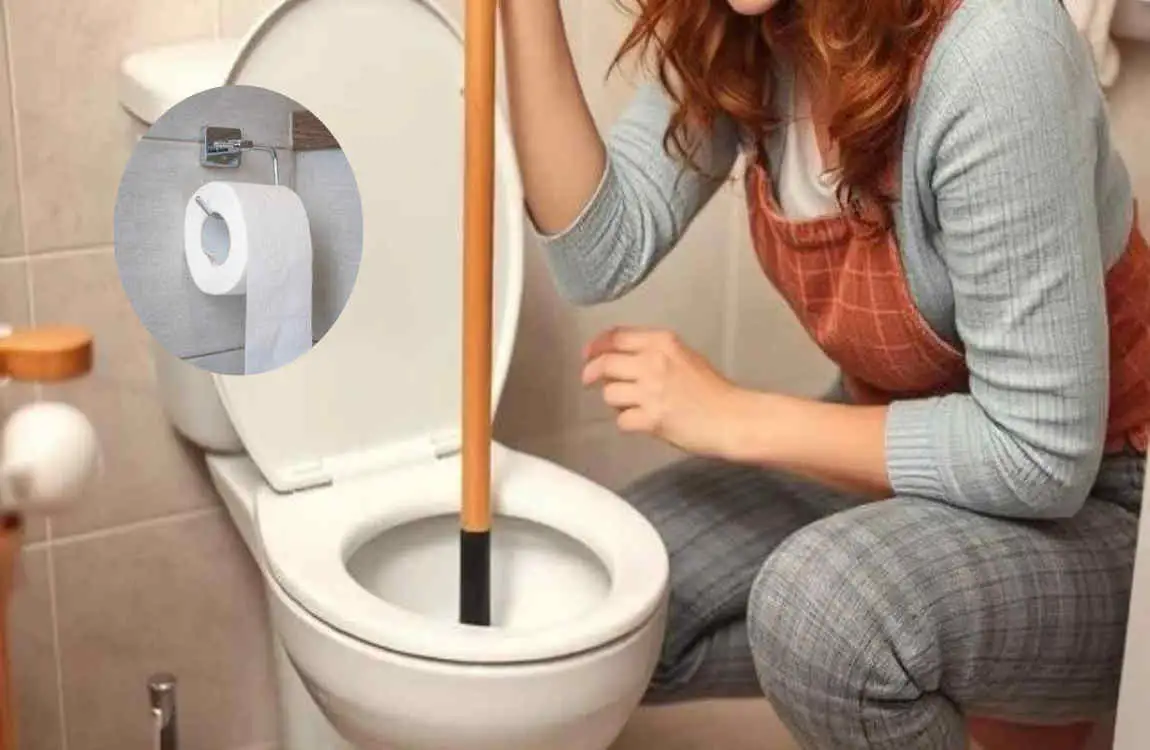
Your toilet can also provide useful clues. Watch for slow flushes, unusually high water levels, or repeated blockages.
If these problems happen regularly, do not automatically blame the toilet paper. A partial blockage, weak flush, poor venting, or plumbing problem may be responsible.
Toilet Paper Types That May Cause Plumbing Problems
Some products can create more problems than ordinary toilet paper, particularly when used in large amounts.
Be cautious with:
- Extremely thick or heavily layered toilet paper
- Large amounts of toilet paper flushed at once
- Flushable wipes, which may not break down as readily as ordinary toilet paper
- Paper towels, tissues, and other products not designed to be flushed
Even products advertised as flushable can cause problems in certain plumbing systems. If your household regularly experiences clogs, it is safer to avoid flushing anything other than ordinary toilet paper and human waste.
Choosing Toilet Paper for Different Plumbing Systems
Plumbing System Suitable Toilet Paper Features
Standard household plumbing Easily dissolving, normal-weight toilet paper
Septic system Septic-safe and quick-dissolving toilet paper
Older plumbing Thin or rapidly dissolving paper
Frequently clogged toilet Fast-breakdown toilet paper and moderate usage
Low-flow toilet Paper that breaks apart easily and does not require excessive flushing
The best toilet paper for house plumbing depends on your specific system. A product that works perfectly in a newer home may not be the best choice for an older system with narrow or deteriorating pipes.
Tips for Preventing Toilet Paper Clogs
Good flushing habits matter as much as choosing the right paper. Use a reasonable amount and avoid sending unsuitable materials down the toilet.
Also watch for warning signs such as slow flushing, rising water, bubbling sounds, or repeated clogs.
If the same toilet keeps blocking even after you change the toilet paper, the underlying plumbing may need attention. Repeatedly clearing the same blockage without finding the cause can allow a bigger problem to develop.
Frequently Asked Questions
What is the best toilet paper for house plumbing?
The best choice is generally toilet paper that breaks down easily in water, works with your particular plumbing system, and is used in reasonable quantities. For many households, a readily dissolving two-ply product is a practical option.
Is two-ply toilet paper safe for plumbing?
Yes. Two-ply toilet paper can generally be safe when it breaks down properly and is used in reasonable amounts. Ply count alone does not determine whether toilet paper will cause a clog.
Is recycled toilet paper better for plumbing?
Many recycled toilet papers are designed to break down readily, making them a practical choice for some plumbing systems. However, individual products differ, so look at the product’s dissolving characteristics rather than relying only on the recycled label.
What toilet paper is best for septic systems?
For a septic system, choose toilet paper labelled septic-safe and designed to break down readily. Using reasonable amounts also matters because even suitable paper can cause problems when you flush excessive quantities.
Can thick toilet paper clog a toilet?
It can contribute to a clog, particularly when large amounts of slow-dissolving paper are flushed together. However, recurring clogs can also indicate a plumbing or toilet problem, so changing toilet paper may not solve the underlying issue.