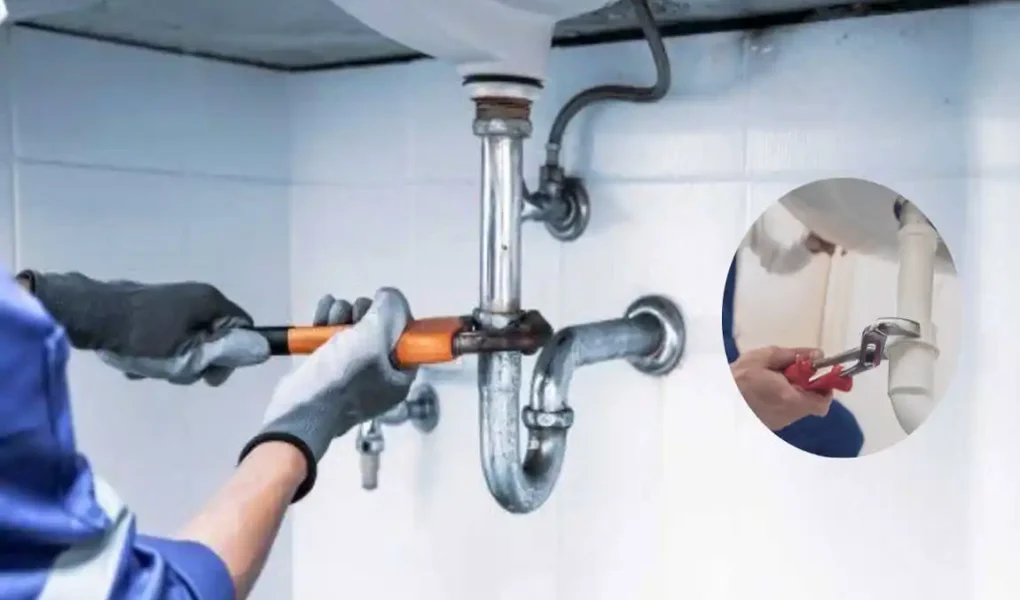
If you are working on a home drainage system, you may come across a fitting called a santee or sanitary tee. It looks like a regular tee fitting, but its shape and intended use differ.
| Step | What to Do | Important Tip |
|---|---|---|
| Prepare the Area | Turn off the water supply and clear the plumbing work area. | Keep the area dry and accessible. |
| Choose the Santee | Select a sanitary tee that matches the existing pipe size and material. | Check compatibility before installation. |
| Measure the Pipe | Measure where the santee will be installed and mark the cutting points. | Measure twice to avoid cutting too much pipe. |
| Cut the Pipe | Use an appropriate pipe cutter or saw to make clean cuts. | Remove burrs and smooth the pipe edges. |
| Check Orientation | Position the santee correctly within the drainage system. | Proper orientation helps maintain suitable wastewater flow. |
| Dry-Fit Parts | Assemble the santee and connecting pipes without adhesive first. | Confirm alignment and fit before permanently joining them. |
| Join the Fitting | Apply the appropriate primer and cement if required for PVC/ABS plumbing. | Follow the product manufacturer’s instructions |
A sanitary tee is a tee-shaped plumbing fitting used to connect a branch drain to a main or vertical drainage pipe in appropriate plumbing configurations. Its curved interior helps wastewater move smoothly through the drainage system.
What Is a Santee in Home Plumbing?
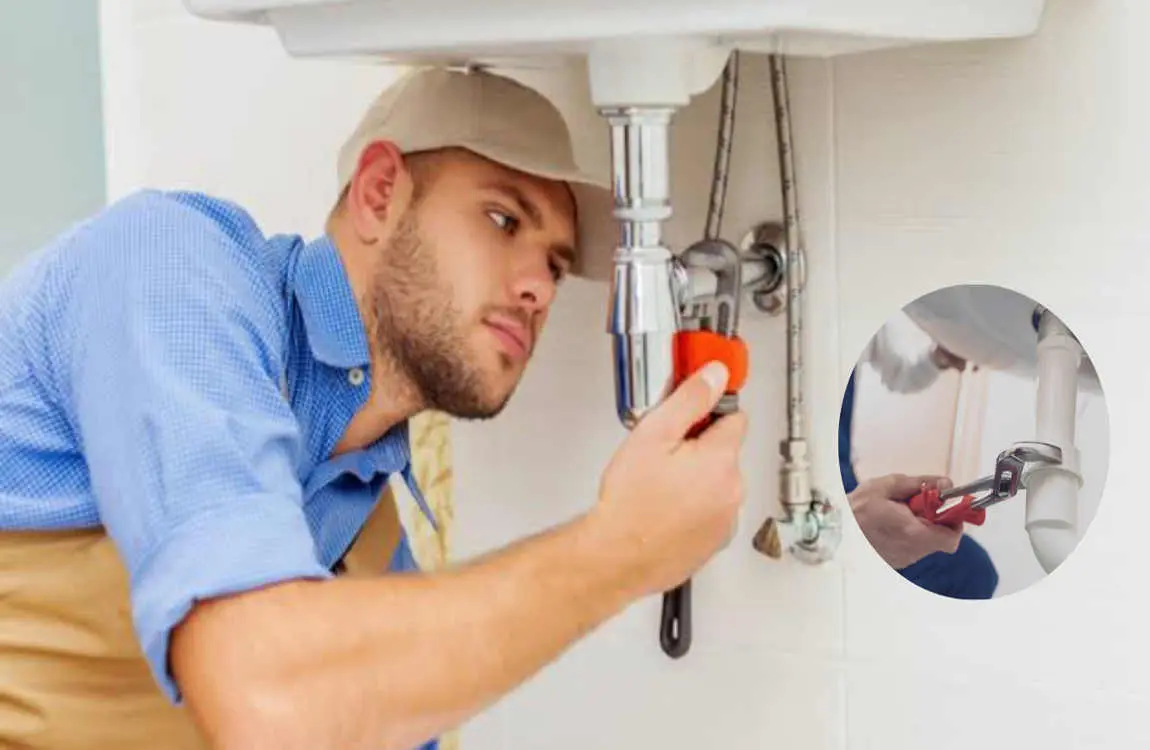
A sanitary tee, commonly called a santee, has three openings. Two openings continue along the main pipe, while the third connects to another drain or plumbing line.
The fitting is commonly used in residential drainage systems where a fixture needs to connect to a larger drainage pipe.
Unlike a simple tee used for some water-supply applications, a sanitary tee has an internal curved design. This shape helps direct wastewater into the drainage path rather than creating an abrupt transition.
The name can be confusing because a sanitary tee is not simply a regular tee with a different name. Drainage fittings are designed around the way wastewater and solids move through pipes.
For example, a sink drain may need to connect to a vertical drainage pipe. In the right configuration, a sanitary tee can provide that branch connection while maintaining the intended flow direction.
The exact application matters, though. A sanitary tee should not automatically be used wherever a tee-shaped fitting is needed. Plumbing codes distinguish between different fittings and their permitted orientations.
Where Is a Santee Used in Home Plumbing?
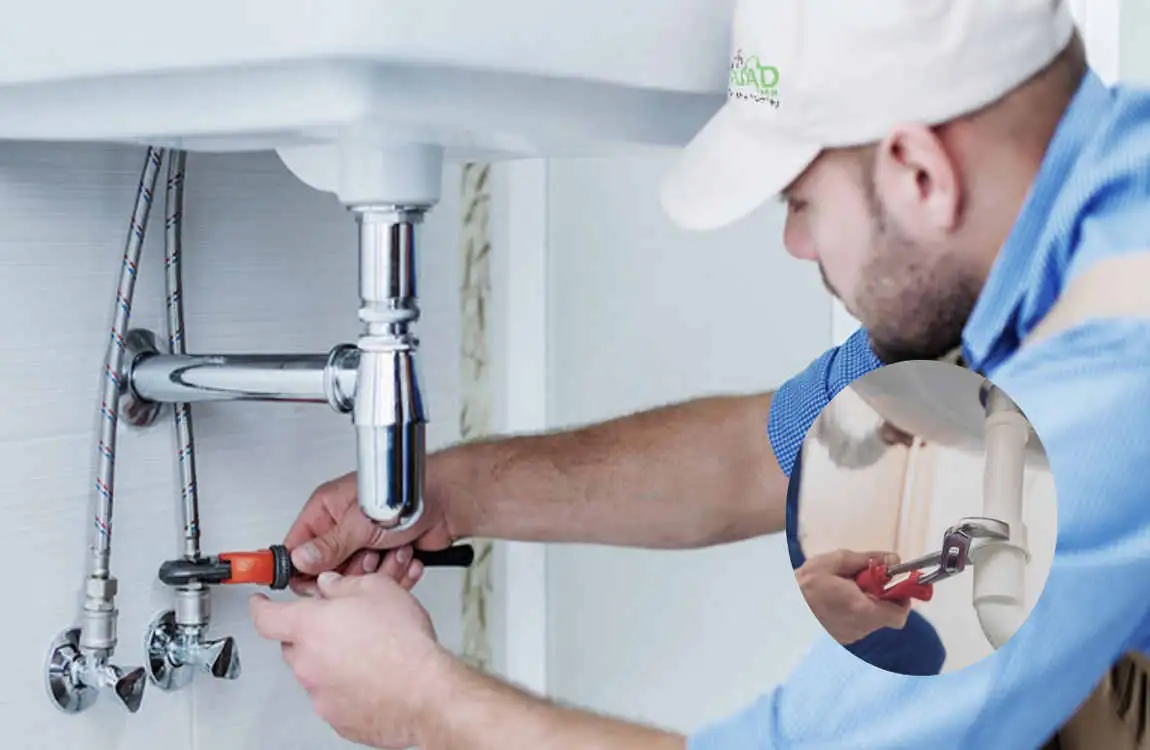
Santees are commonly found in residential drain and waste plumbing systems. They are particularly useful when one drainage line needs to connect with another pipe while maintaining an appropriate flow path.
One familiar application is a sink or lavatory drain connecting to a vertical drainage pipe. The branch opening provides a connection point for the fixture drain. In contrast, the other openings connect with the drainage and vent arrangement when permitted.
Santees may also appear in branch drain configurations and certain vent-related plumbing arrangements.
The important point is that pipe direction, fitting orientation, drainage flow, and local plumbing requirements all matter. A fitting that looks correct physically may not be correct for a particular plumbing configuration.
Common Plumbing Applications
- Sink and lavatory drain connections where the configuration permits a sanitary tee
- Branch drain connections between fixture drainage and larger piping
- Vertical drainage systems where the fitting is installed in the appropriate orientation
- Vent-related configurations when allowed by applicable plumbing requirements
Before cutting an existing pipe, take time to understand how the entire drainage system is arranged. This can help you avoid a connection that looks convenient but doesn’t work correctly.
Tools and Materials Needed to Install a Santee
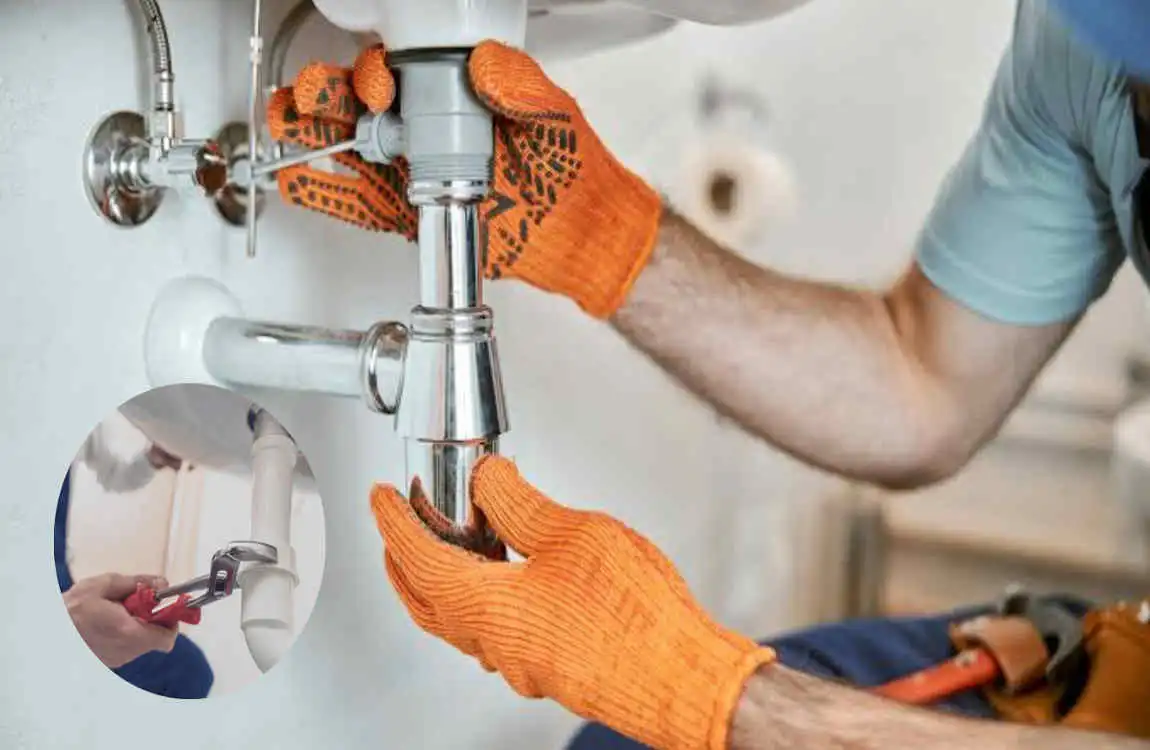
Before starting, gather the necessary materials and tools. Having everything ready makes the project easier and reduces mistakes.
The most important consideration is choosing a santee that matches the existing pipe material and size.
For example, PVC drainage pipe generally requires compatible PVC fittings and joining products. ABS systems use compatible ABS components and joining methods. Mixing materials without the appropriate transition fitting or joining method can result in a poor connection.
Basic Materials
You may need:
- Correct-size sanitary tee
- Compatible drain pipe
- Appropriate couplings
- PVC or ABS primer and cement, when applicable
- Pipe supports or hangers
Check the manufacturer’s instructions for the specific products you are using. Different materials and joining products can have different preparation and curing requirements.
Also check applicable local plumbing requirements before modifying an existing drainage system. Rules can vary depending on the type and location of the plumbing work.
Basic Tools
Common tools include:
- Measuring tape
- Pipe cutter or saw
- Deburring tool or sandpaper
- Marker
- Safety glasses and gloves
A clean work area is also important. Dirt, moisture, or debris around a pipe joint can make proper preparation more difficult.
How To Install a Santee in Home Plumbing
Installing a santee is not simply a matter of cutting a pipe and attaching a fitting. Correct measurement, orientation, pipe preparation, and connection are all important.
If the plumbing is accessible and the modification is straightforward, an experienced DIYer may be able to handle some work. However, drainage modifications can quickly become complicated, especially when existing pipes are concealed or connected to a larger sewer system.
Turn Off Water and Prepare the Work Area
Start by preventing unnecessary water from entering the plumbing system.
For work near a sink, avoid using the fixture while you modify the pipe. If necessary, close the appropriate water supply and make sure the drainage area is accessible.
Open the work area enough to see the pipes clearly. Identify the main drainage line and where the branch connection needs to go.
Keep towels or a container nearby, because drain pipes can contain residual water even when a fixture is not in use.
The pipe should be as dry and clean as practical before making a permanent connection.
Measure and Cut the Pipe
Accurate measurement is one of the most important parts of the installation.
Measure the available space and determine where the santee will sit. Remember that the fitting takes up space, so don’t measure only the exposed pipe length.
Mark the cutting points clearly. When cutting plastic drainage pipe, aim for a straight, clean cut.
After cutting, inspect the pipe ends. Rough edges or burrs can interfere with the fitting and may prevent a smooth connection.
Use a suitable deburring tool or sandpaper to clean the edges.
Take your time at this stage. A slightly off measurement can cause alignment problems later.
Check the Santee Orientation
Orientation is one of the most important considerations when installing a sanitary tee.
The branch opening needs to face the direction required by the drainage configuration. Position the fitting so wastewater can enter and move through the drainage system as intended.
Do not assume that simply rotating the fitting will produce an acceptable installation.
Drainage fittings have specific purposes, and plumbing codes can restrict how particular fittings are installed. A sanitary tee that is suitable for one configuration may not be appropriate for another.
If you are unsure whether a santee is permitted in your arrangement, consult a qualified plumber or check the applicable plumbing requirements.
Dry-Fit the Components
Before applying primer or cement, dry-fit the components.
Place the santee and connecting pipe sections without permanently joining them. This lets you check:
- Overall measurements
- Pipe alignment
- Fitting orientation
- Available space
- Connection depth
- Position of the branch opening
Dry-fitting is a simple step, but it can prevent a major mistake.
Once a solvent-welded plastic connection has been properly joined, correcting its position usually requires cutting it apart and installing additional fittings.
Make sure everything lines up before moving to the permanent connection.
Connect and Secure the Santee
For compatible plastic drainage systems, connections are generally made using the manufacturer-recommended primer and cement.
Follow the instructions for the specific products. Apply the products as directed and assemble the components carefully.
Ensure the fitting is fully seated and correctly positioned.
Once connected, avoid moving the joint unnecessarily while it cures. Curing time depends on the product, pipe size, temperature, and other conditions, so follow the product instructions rather than relying on a general estimate.
The pipe should also be properly supported.
Unsupported or poorly supported drainage pipes can shift over time, stressing connections and potentially causing leaks.
Test the Installation
After the connection has cured as required, test the plumbing carefully.
Run water through the connected fixture and watch the new joints.
Look for:
- Drips or moisture around the connections
- Slow drainage
- Unusual gurgling
- Persistent odors
- Water backing up
A properly functioning drainage connection should let water move away without obvious leaks or drainage problems.
If you notice a leak, do not simply cover the joint with sealant and assume the problem is solved. The underlying issue could involve poor pipe preparation, an incorrectly fitted connection, pipe movement, or another installation problem.
Common Santee Installation Mistakes and When To Call a Plumber
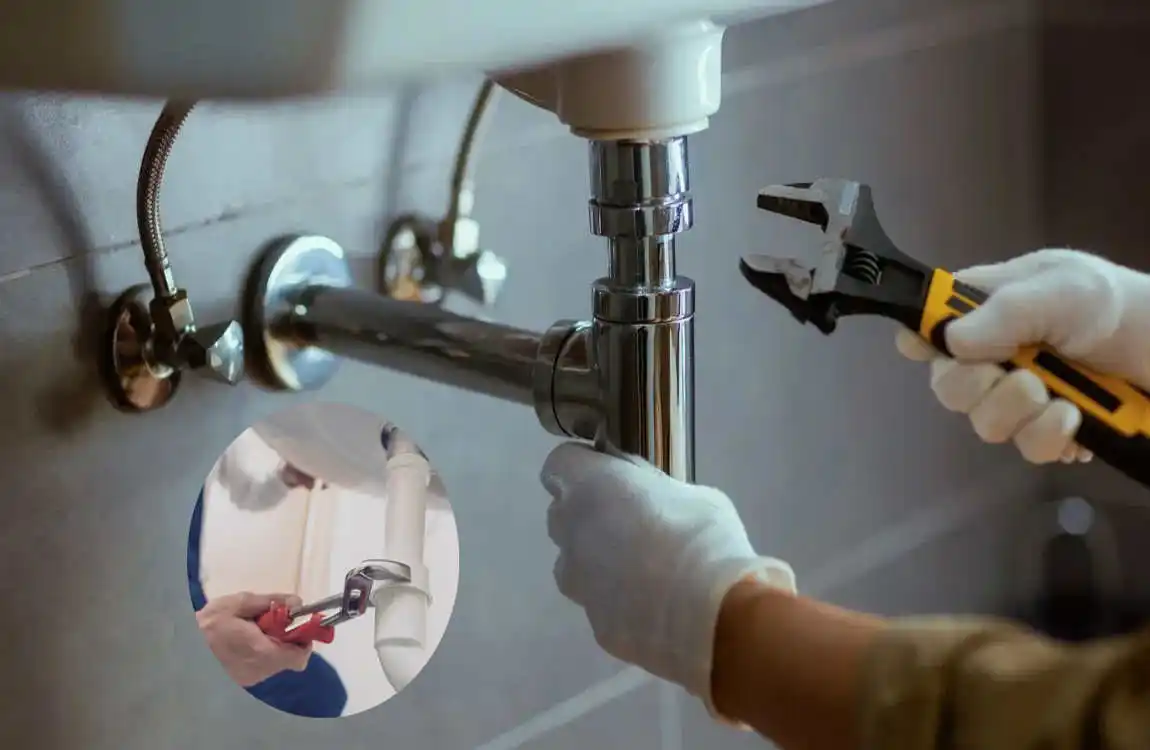
A sanitary tee can look like a simple fitting, but drainage systems require careful planning.
One of the most common mistakes is installing the fitting in an incorrect orientation. Another is cutting the existing pipe without first confirming the measurements.
Other problems can include:
- Using the wrong size or type of fitting
- Combining incompatible pipe materials incorrectly
- Making inaccurate cuts
- Failing to prepare pipe ends properly
- Leaving pipes unsupported
- Creating connections that are not properly seated
- Ignoring applicable plumbing requirements
Drainage problems may not always appear immediately. A poorly designed connection might seem to work at first but later contribute to slow drainage, recurring blockages, leaks, or unpleasant odours.
Local plumbing requirements are also important. Drainage and vent systems are regulated because improper configurations can affect the safe operation of a home’s plumbing system.
When Professional Help Is Appropriate
Consider a licensed plumber when the work involves hidden pipes, major drain-line modifications, sewer connections, or complex drainage layouts.
Professional assistance is also useful when you cannot determine whether a sanitary tee is permitted in your particular configuration.
If your home already has repeated blockages, sewer odours, or drainage backups, adding a fitting may not address the real problem.
A plumber can inspect the existing arrangement and determine whether the issue involves the fitting, pipe slope, blockage, venting, or another part of the drainage system.
For a small, accessible repair, a knowledgeable homeowner may be comfortable doing the work. But when the modification affects a larger drainage system, getting the configuration right matters more than trying to finish quickly.
Frequently Asked Questions About Santees in Home Plumbing
What is a santee in home plumbing?
A santee, or sanitary tee, is a tee-shaped drainage fitting used to connect a branch drain to a drainage pipe in certain plumbing configurations.
Its curved internal design helps guide wastewater through the drainage system. It is commonly associated with drain and waste piping rather than ordinary water-supply plumbing.
Can you use a sanitary tee for a horizontal drain?
It depends on the specific plumbing configuration and applicable code requirements.
A sanitary tee should not automatically replace every type of drainage tee. Consider the flow direction, pipe orientation, and purpose of the connection.
If the connection is horizontal, check the applicable plumbing requirements or ask a qualified plumber before installation.
What is the difference between a sanitary tee and a regular tee?
Both fittings have a basic tee shape, but they serve different purposes.
A sanitary tee has an internal shape intended for appropriate drainage applications, helping direct wastewater through the connection.
A regular tee may be designed for other plumbing applications and may have different flow characteristics.
Because they can look similar, choosing a fitting based only on appearance can lead to problems.
Can I install a santee myself?
A simple and accessible drainage modification may be manageable for an experienced DIYer.
However, you need to understand the existing pipe arrangement, select compatible materials, install the fitting correctly, and follow applicable plumbing requirements.
If the work involves concealed pipes, sewer lines, complex venting, or substantial changes to the drainage system, professional assistance is a safer choice.
Does a santee need to be installed in a specific direction?
Yes. Orientation matters.
Sanitary tees are designed for particular drainage configurations, and the branch opening must be positioned correctly for the intended flow.
Installing the fitting incorrectly can interfere with drainage and may violate local plumbing requirements.
Why is my newly installed santee leaking?
A leaking santee can have several possible causes.
The pipe may not have been cut or prepared correctly, the joint may not have been properly connected, or the materials may not be compatible. Movement or stress on the pipe can also affect a connection.