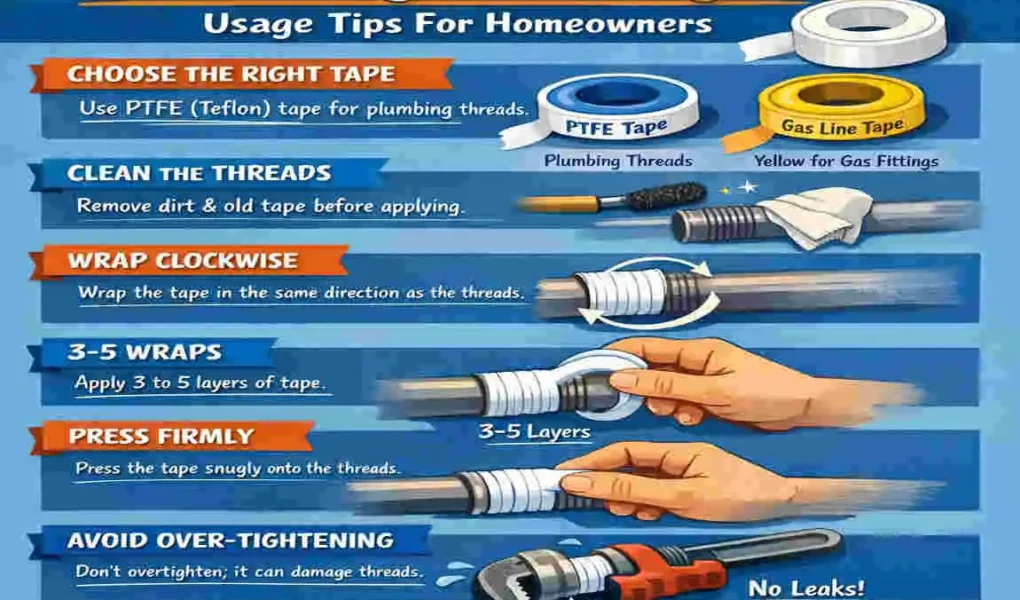
If you have ever tightened a faucet, felt confident, and then seen a slow drip show up later, you already know how frustrating a small plumbing mistake can be. Many DIY repairs fail not because the part was bad, but because the sealing step was done wrong. In fact, a large share of home plumbing leaks start with poor thread sealing, and that is where plumbing tape makes a big difference.
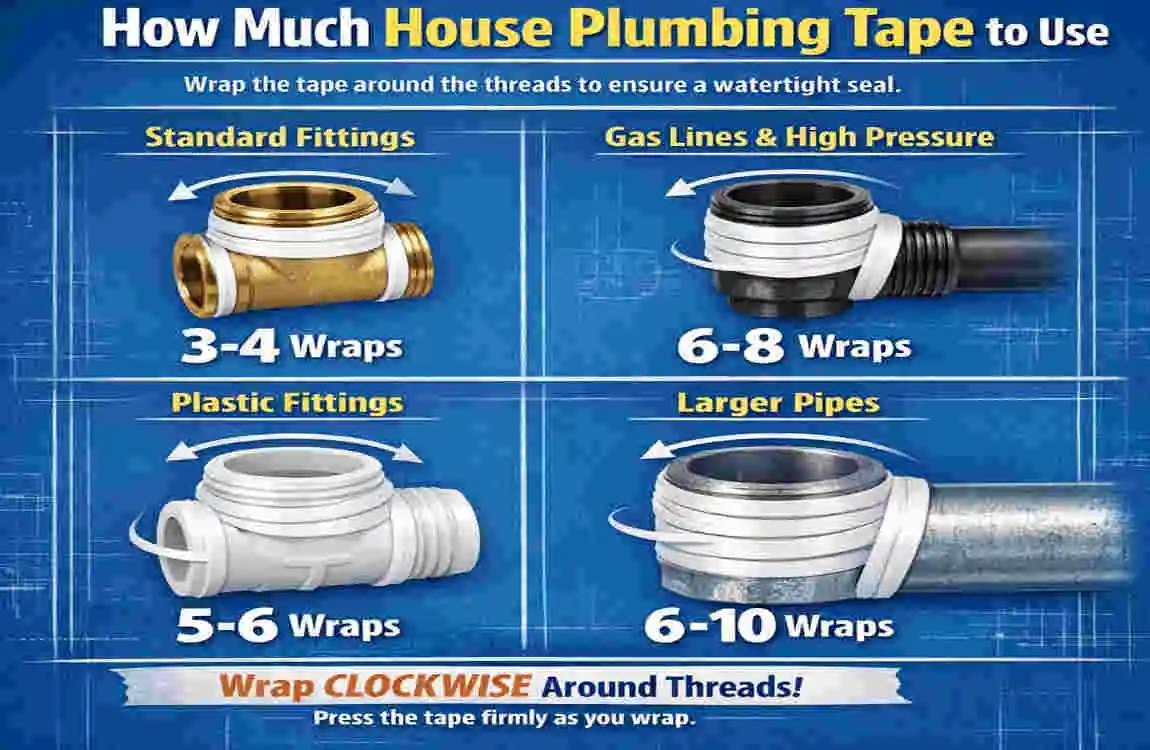
For most standard home repairs, the answer is 3 to 6 wraps on the threaded section. For a typical 1/2-inch pipe, 3 to 5 wraps is usually the sweet spot. That amount gives you a good seal without making the threads too bulky to tighten properly.
| Pipe/Fitting Type | Recommended Wraps | Key Tips |
|---|---|---|
| Standard Threaded Pipes (1/2″–3/4″) | 3–6 wraps | Wrap clockwise from pipe base; overlap by half tape width; avoid over-wrapping to prevent bunching. |
| Larger Pipes (1″+) | 4–8 wraps | Use wider tape (3/4″–1″); stretch slightly for better seal on deeper threads. |
| Gas Lines | 6–10 wraps (yellow tape) | Apply tighter; ensure full thread coverage for safety. |
| Compression Fittings | None | Tape unnecessary; can cause blockages. |
What Is Plumbing Tape and Why Use It?

A Simple Meaning of PTFE Tape
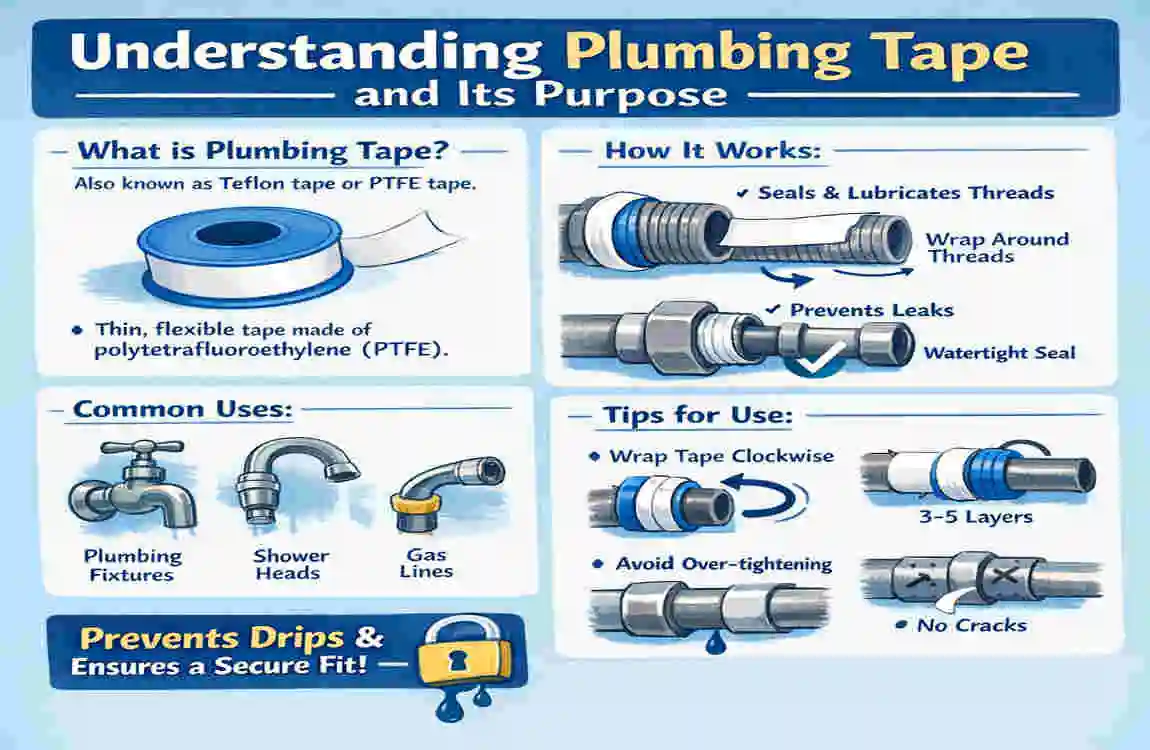
Plumbing tape is also called Teflon tape or PTFE tape. It is a thin, soft tape that wraps around pipe threads before you screw fittings together. Its job is not to glue the joint. Instead, it helps the threads seal better by filling tiny gaps.
The tape also makes the fitting easier to tighten. That matters because metal or plastic threads are never perfectly smooth. Even if they look clean, they still have tiny spaces where water or gas can escape.
That is why people ask how much house plumbing tape to use before starting a repair. The amount matters just as much as the tape itself.
Why It Is So Useful in Home Repairs
Plumbing tape is popular because it is simple, cheap, and effective.
Here are the main benefits:
- It helps stop leaks in threaded connections.
- It makes tightening smoother and easier.
- It works on many common home fixtures.
- It is inexpensive, so you do not spend much to prevent a bigger problem later.
For most household jobs, one roll can last a long time. That makes it a smart item to keep in your toolbox.
Different Tape Types You May See
Not all plumbing tapes are the same. The color usually gives you a clue about the job.
White tape for water fittings
White PTFE tape is the most common type. It is used for everyday household plumbing like sinks, faucets, and shower heads. For this type, the number of wraps of house plumbing tape to use is usually around 3 to 5.
Yellow tape for gas fittings
Yellow tape is made for gas lines. It is denser and usually stronger. It is not the same as white tape, and you should not mix them up. For gas work, the amount often increases to 5 to 7 wraps, depending on the fitting and the product instructions.
Pink or green specialty tape
Some specialty tapes are made for specific jobs, such as oxygen lines or industrial fittings. These are less common in regular home repairs, but they matter if you are working on a system that needs a special seal.
A Common Myth to Avoid
A lot of people think tape can fix any plumbing problem. It cannot.
If a pipe is cracked, stripped, or badly damaged, no amount of tape will solve it. That is why understanding how much house plumbing tape to use matters only for threaded joints, not broken pipes.
Factors Affecting How Much House Plumbing Tape to Use
Pipe Size Changes the Amount
One of the biggest factors is pipe size. A small faucet thread does not need the same amount as a larger shower line or main connection.
Here is a simple rule:
- 1/2-inch pipes: usually 3 to 5 wraps
- 3/4-inch pipes: usually 4 to 6 wraps
- 1-inch or larger pipes: usually 4 to 8 wraps
The bigger the thread area, the more tape you may need to fill the space properly. That is why the amount of house plumbing tape to use depends heavily on the size of the fitting.
The Condition of the Threads Matters
Old threads can be worn, rough, or slightly damaged. In that case, you may need a little more tape to help seal the joint.
But do not overdo it. If the threads are badly damaged, tape will not fully solve the problem. You may need to replace the fitting.
A good rule is this: slightly worn threads may need 1 to 2 extra wraps, but badly worn threads need repair, not just more tape.
Water Pressure Can Change the Need
Higher pressure means more force pushing against the seal. That means the joint needs a stronger, cleaner wrap.
For low-pressure household use, the basic amount is often enough. For higher-pressure lines, you may want to use a denser tape or one extra wrap.
This is why the answer to how much house plumbing tape to use is not always the same. Pressure changes the job.
Tape Density Makes a Difference
Standard white tape is thinner. High-density tape is thicker and more durable. Because it is thicker, you usually need fewer wraps than you would with thin tape.
So if you use standard tape, you may need a few more wraps. If you use high-density tape, fewer wraps may do the job.
Thread Type Also Plays a Role
Some threads bite together tightly. Others are looser or shallower. Fittings with finer threads may need careful wrapping because too much tape can make assembly difficult.
That is why the real answer to how much house plumbing tape to use is not just a number. It is a balance between pipe size, thread condition, pressure, and tape type.
Tape Amounts by Common Scenario
Pipe Size Tape Type Recommended Wraps Maximum Wraps Notes
1/2-inch Standard white 3–5 6 Best for faucets and sinks
3/4-inch Standard white 4–6 7 Common for showers
1-inch or larger High-density 4–6 8 Good for main lines
Gas lines Yellow 5–7 8 Use only where approved
Important: More tape is not always better. Over-wrapping can make the joint harder to tighten and may cause leaks later.
Image Placeholder: A chart showing wrap counts by pipe size.
Step-by-Step: How Much House Plumbing Tape to Use the Right Way

Start With Clean Threads
Before you even open the tape, look at the threads.
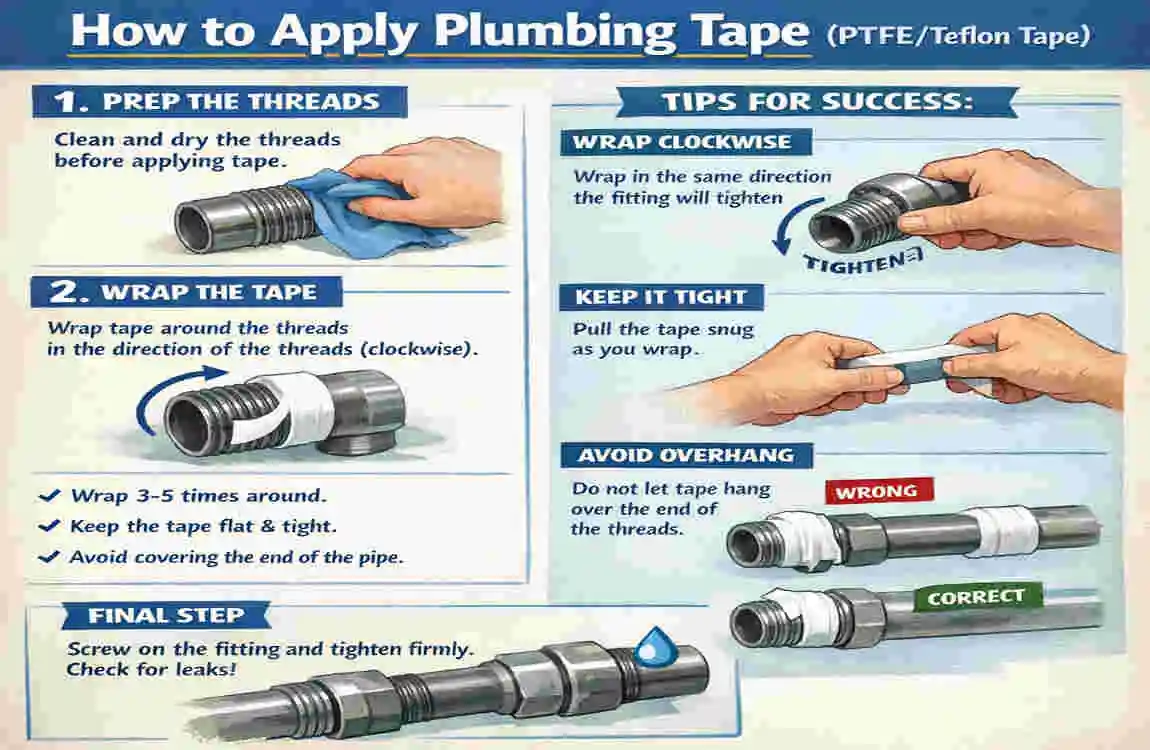
They should be clean, dry, and free of oil, dust, rust, and old tape. If the threads are dirty, the tape may slip or bunch up instead of sealing properly.
Use a small wire brush or a dry cloth to clean the surface. If there is old tape, peel it off fully. If the fitting is greasy, wipe it down and let it dry.
This part matters more than many people think. Even when you know how much house plumbing tape to use, dirty threads can still ruin the seal.
Hold the Tape at the Start of the Threads
Place the tape at the base of the threaded area. Do not start too far back. You want the tape to cover the threads that will actually make contact inside the fitting.
Pull out a short section, usually about 4 to 6 inches, and hold it in place with your thumb.
At this point, many beginners ask again: how much house plumbing tape to use on the first pass? The answer is simple—start light and build evenly.
Wrap in the Tightening Direction
This is one of the most important rules.
You should wrap the tape in the same direction that the fitting will tighten. For most right-hand threaded fittings, that means clockwise.
Why? Because if you wrap in the wrong direction, the tape may unwind as you tighten the fitting. That causes bunching, tearing, and weak sealing.
So if you are unsure about how much house plumbing tape to use, remember this, too: direction matters just as much as amount.
Stretch the Tape Slightly
As you wrap, keep the tape snug. Do not pull so hard that it tears, but do stretch it a little so it molds into the thread grooves.
A small amount of stretch helps the tape sit tightly against the fitting. That gives you a better seal.
The goal is not to wrap like you are bandaging an injury. The goal is to let the tape sink into the threads and stay there.
Overlap Each Wrap Slightly
Each wrap should overlap the previous one by about half.
This keeps the seal even and prevents gaps. If you leave open spaces, water can find its way through the empty spots.
For most jobs, this means:
- Start with 3 wraps minimum
- Build to 4 to 6 wraps total
- Stop before the tape becomes bulky
That is the easiest way to judge how much house plumbing tape to use without overthinking it.
Finish Cleanly
When you finish, tear the tape or snap it off. Then smooth the end down with your fingers so it does not stick out.
A neat finish helps the tape stay in place when you screw the fitting together.
Now assemble the joint right away. Do not let the tape sit exposed for too long, especially in dusty or humid conditions.
Tighten the Fitting Carefully
Once the tape is on, screw the fitting together by hand first. Then use a wrench if needed.
Do not force it too hard. If the fitting feels like it is fighting you, stop and check the tape amount. Too much tape may be making the joint too thick.
If you keep asking how much house plumbing tape to use, the answer should always lead you back to this idea: enough to seal, but not so much that the joint cannot close properly.
If It Leaks, redo the Joint
If a leak shows up after assembly, do not just add more tape on top of the old tape.
Take the fitting apart. Remove the old tape. Clean the threads. Then re-wrap with the correct amount.
If needed, add one extra wrap the second time. Do not keep stacking layers unthinkingly.
Image Placeholder: Numbered diagram showing 1, 2, 3, 4 wraps on a threaded pipe.
Common Mistakes: Too Much or Too Little Plumbing Tape
Using Too Much Tape
This is one of the most common DIY mistakes.
If you use too much tape, the threads can become too thick. The fitting may not close properly, or it may tighten unevenly. In some cases, the tape bunches up and peels inside the joint.
That is why the answer to how much house plumbing tape to use should never be “as much as possible.” More tape is not a stronger seal if it prevents proper tightening.
A good standard is often 3 to 5 wraps for regular household jobs. You can go higher on larger or rougher threads, but only within reason.
Using Too Little Tape
Too little tape is also a problem.
If you only use 1 or 2 wraps, the tape may not fill the gaps between the threads. Under pressure, water can pass through those small spaces and create a slow drip.
A tiny drip may not look serious at first, but over time it can stain walls, damage cabinets, and waste water.
So when you think about how much house plumbing tape to use, remember that under-wrapping is just as risky as over-wrapping.
Wrapping in the Wrong Direction
This mistake causes many leaks.
If you wrap counterclockwise on a standard right-hand thread, the tape can unwind while you tighten the fitting. That makes the seal weak and messy.
Always check the direction before you start.
Working on Dirty Threads
Dust, rust, old tape, and grease all interfere with sealing.
Even if you know how much house plumbing tape to use, dirty threads can keep the tape from sitting properly. A clean joint is always better than an extra-thick wrap on a dirty one.
Mixing Up Gas and Water Tape
This one is important.
Yellow tape is for gas. White tape is for water. If you use the wrong type, you may create a poor seal or even break code requirements.
For safety, always match the tape to the job.
Mistakes vs. Fixes
MistakeSymptomFixPrevention
Over-wrap Hard to tighten, bulky joint Remove and re-wrap with fewer layers Count your wraps before assembly
Under-wrap, slow drip, or seepage. Re-do with 1–2 extra wraps. Use the correct wrap range
Wrong direction, Tape shreds or loosens. Re-wrap clockwise. Check the tightening direction first
Dirty threads, tape slips, or seals poorly. Clean threads and start over. Wipe and dry the fitting.
Wrong tape type, Weak seal or code issue, Use the right tape for the line, Match tape color to the application.
Lahore Tip: Humid Weather Can Affect Storage
If you live in Lahore, store your tape in a dry place. High humidity can make rolls dusty or sticky over time.
That does not change how much house plumbing tape to use, but it can affect how well the tape handles when you apply it.
How Much Plumbing Tape for Specific Home Repairs
Faucets and Sink Connections
For faucets and sink fittings, the most common choice is white PTFE tape.
A good range is 3 to 5 wraps. If the threads are older or slightly worn, you may need one more wrap.
These are small fittings, so do not overload them. Many people think small parts need lots of tape, but that is not true. On smaller connections, too much tape can actually stop the fitting from tightening correctly.
So, for this job, how much house plumbing tape to use usually means just enough to cover the threads evenly.
Shower Heads and Bathroom Fixtures
Shower heads often need a little more tape than a faucet because they are used more often and may face more water movement.
A practical range is 4 to 6 wraps, depending on thread size and condition.
If the shower head still leaks after proper taping, check the washer and the fitting itself. The problem may not be the tape alone.
Toilets and Tank Fittings
Some toilet connections use threaded parts that benefit from tape, while others use washers or seals instead.
If you are working on a threaded toilet fitting, 4 to 5 wraps is usually a safe starting point.
Always check the connection type first. Not every toilet part needs tape.
Outdoor Hoses and Garden Fixtures
Outdoor fittings face weather, vibration, and seasonal changes.
A stronger wrap may help here, so 4 to 6 wraps are often suitable. If the fitting is exposed to heat and sun, make sure the tape is in good condition before use.
For outdoor use, the question of how much house plumbing tape to use often depends on how much wear the joint will face over time.
Gas Stove Connections
Gas work needs extra care.
Only use tape that is approved for gas lines, and only if you are allowed to handle that connection. Many homeowners should call a licensed professional for gas fittings.
If approved tape is used, the range may be 5 to 7 wraps, depending on the fitting and local rules.
Never guess with gas. Safety should come first.
A Simple Wrap Formula
If you want an easy rule, use this:
Number of threads visible x 1.5 = approximate wraps
For example, if a fitting has 3 visible thread turns, you may need around 4 to 5 wraps.
This is not a perfect science, but it gives you a fast estimate when deciding how much house plumbing tape to use.
Tools and Tape Recommendations for Lahore Homes

What You Need in Your Toolkit
A basic plumbing tape job does not need many tools, but a few items make the work easier.
Helpful tools
- A clean rag or dry cloth
- A small wire brush
- An adjustable wrench
- A good roll of PTFE tape
- A flashlight for checking threads
These simple tools help you prepare the fitting properly before you decide how much house plumbing tape to use.
Which Tape Should You Buy?
For most homes, a standard white PTFE tape is enough for water fittings. If you do more repairs, it is smart to keep one roll of higher-density tape as well.
Choose a tape that feels strong, clean, and easy to unwind. Cheap tape can tear or stretch too thin.
Local Buying Tip
If you are shopping in Lahore, look for plumbing tape in hardware shops, plumbing supply stores, and local markets. The tape itself is low-cost, so quality matters more than brand names.
What About Pipe Dope?
Pipe dope, also called thread seal paste, is another sealing product.
It can be useful on older threads or larger fittings. In some cases, people use it together with tape, but only when the fitting and product instructions allow it.
If you are unsure, start with tape alone. For most standard repairs, once you know how much house plumbing tape to use, you will already solve many leaks without needing extra sealant.
How to Judge the Right Amount Without Guessing
Start Small, Then Build
The easiest approach is to begin with 3 wraps and judge from there.
If the threads are standard and clean, that may already be enough. If the joint feels loose or the threads are worn, add one or two more wraps.
This is the best practical answer to how much house plumbing tape to use for everyday home repairs.
Watch the Feel of the Joint
When you screw the fitting together, pay attention to how it feels.
- If it goes on too easily and feels loose, you may need a little more tape.
- If it feels too tight right away, you probably used too much tape.
- If it tightens smoothly and firmly, you likely did it right.
Test for Leaks Properly
After assembly, turn the water on slowly and watch the joint.
Check for a drip, a damp ring, or moisture around the connection. Give it a few minutes. Some leaks show up only under pressure.
If you find a leak, do not panic. Recheck the wrap direction, wrap count, and thread cleanliness.
When to Stop Adding Tape
If you have already used around 5 or 6 wraps and the fitting still leaks, the problem may not be the amount of tape.
The threads may be damaged, the fitting may be mismatched, or the seal may need another kind of repair.
Frequently Asked Questions
How much house plumbing tape to use on a 1/2-inch pipe?
For a 1/2-inch pipe, use 3 to 5 wraps in most home repairs. If the threads are worn, you may need one extra wrap, but do not overdo it.
Should I use standard or high-density tape?
Use standard white tape for most water jobs. Use high-density tape if the threads are larger, rougher, or need a stronger seal. For gas, use the approved yellow tape made for that purpose.
Can I reuse a fitting that already has tape on it?
You can reuse the fitting, but you should remove the old tape and apply fresh tape every time. Old tape can tear or seal unevenly.
What if the joint still leaks after taping?
If it leaks after taping, take it apart, clean the threads, and re-wrap the fitting. Often, the fix is simply using the correct amount of tape. In some cases, the fitting itself may be damaged.
Can I use plumbing tape on every connection?
No. Plumbing tape is for threaded fittings only. It is not for compression joints, glued joints, or cracked pipes.
Is more tape always better?
No. Too much tape can make the fitting too thick and hard to tighten. That can create leaks instead of preventing them.
What is the best quick rule to remember?
A very simple rule is this: start with 3 wraps, and use 4 to 6 wraps for most household fittings. That is the easiest practical answer to how much house plumbing tape to use.