A rental property’s plumbing system includes toilets, sinks, faucets, drains, water pipes, sewer connections, and other fixtures. Problems can range from a small dripping faucet to a serious pipe leak.
Tenants are generally expected to use plumbing fixtures properly and care for them reasonably. They should also report problems as soon as they notice them.
Landlords, on the other hand, commonly handle major repairs and maintenance related to the property’s plumbing system. This can include ageing pipes, serious leaks, or problems not caused by the tenant.
| Plumbing Issue or Duty | Tenant Responsibility | Landlord Responsibility | What the Tenant Should Do |
|---|---|---|---|
| Minor drain clog | May be responsible if caused by misuse | May handle recurring or system-related blockages | Try basic maintenance and report persistent problems |
| Clogged toilet | Usually responsible if caused by improper items or misuse | May be responsible for a defective or damaged toilet | Report the issue and avoid flushing unsuitable materials |
| Leaking faucet | May need to report it promptly | Often handles repairs from normal wear and tear | Notify the landlord as soon as possible |
| Burst or damaged pipe | Generally not responsible unless tenant-caused | Usually handles major pipe repairs | Contact the landlord or emergency maintenance immediately |
| Sewer-line problem | Usually not a routine tenant duty | Generally handled by the property owner | Report sewage backups immediately |
| Water heater problem | Responsible for reporting the issue | Usually handles repair or replacement | Stop using it if unsafe and contact maintenance |
| Low water pressure | Should report the problem | May investigate and repair system issues | Report unusual or sudden pressure changes |
Are Tenants Responsible for Home Plumbing?
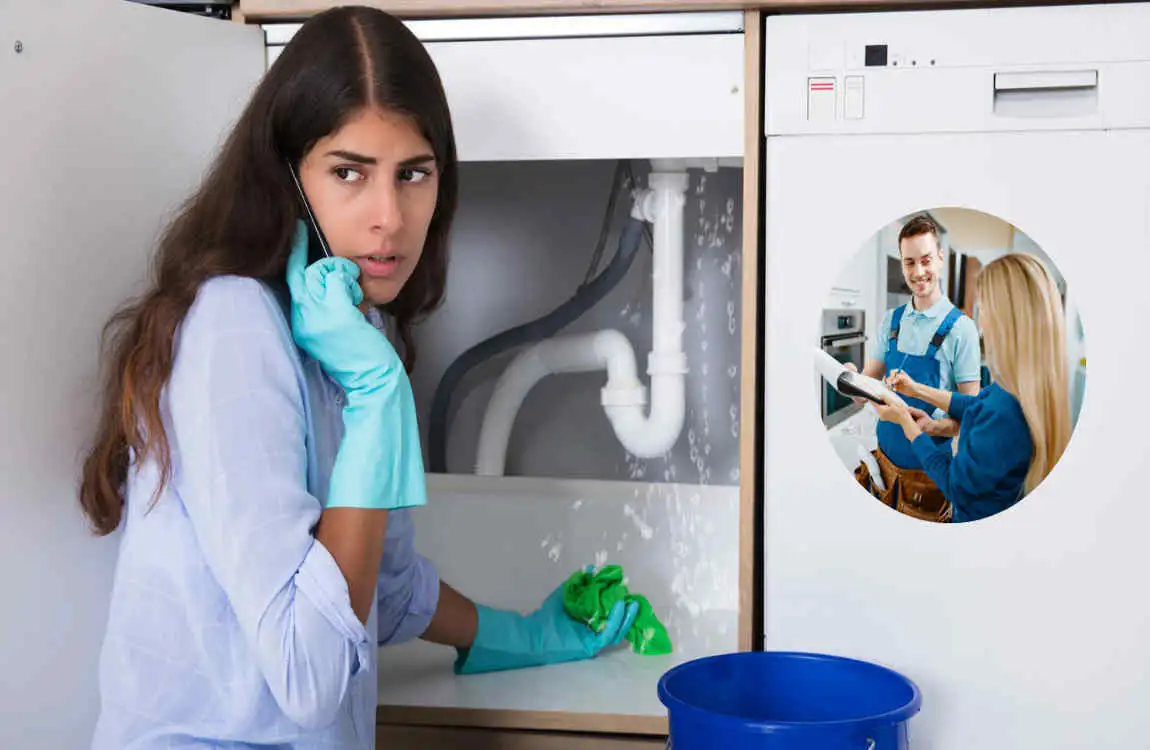
So, are tenants responsible for home plumbing? Tenants are not automatically responsible for every plumbing repair.
A useful way to understand the issue is to separate normal care from repair responsibility. A tenant may be expected to keep the home clean, use fixtures correctly, and report problems. That does not necessarily mean the tenant must pay for every plumbing repair.
For example, if a toilet becomes clogged because unsuitable materials were flushed, the tenant could potentially be responsible for the resulting repair. However, if an old pipe suddenly leaks due to deterioration, the landlord may generally be responsible for addressing the underlying problem.
Tenants should follow the property’s maintenance instructions and avoid attempting complicated plumbing work without permission.
Common tenant responsibilities may include:
- Keeping drains reasonably clear and using plumbing fixtures properly.
- Promptly reporting leaks, unusual noises, slow drains, or other problems.
- Avoiding flushing inappropriate objects or materials.
- Taking reasonable care to prevent avoidable plumbing damage.
The cause of the problem often matters. A plumbing issue caused by normal ageing differs from one caused by careless use.
Plumbing Problems Tenants May Be Responsible For
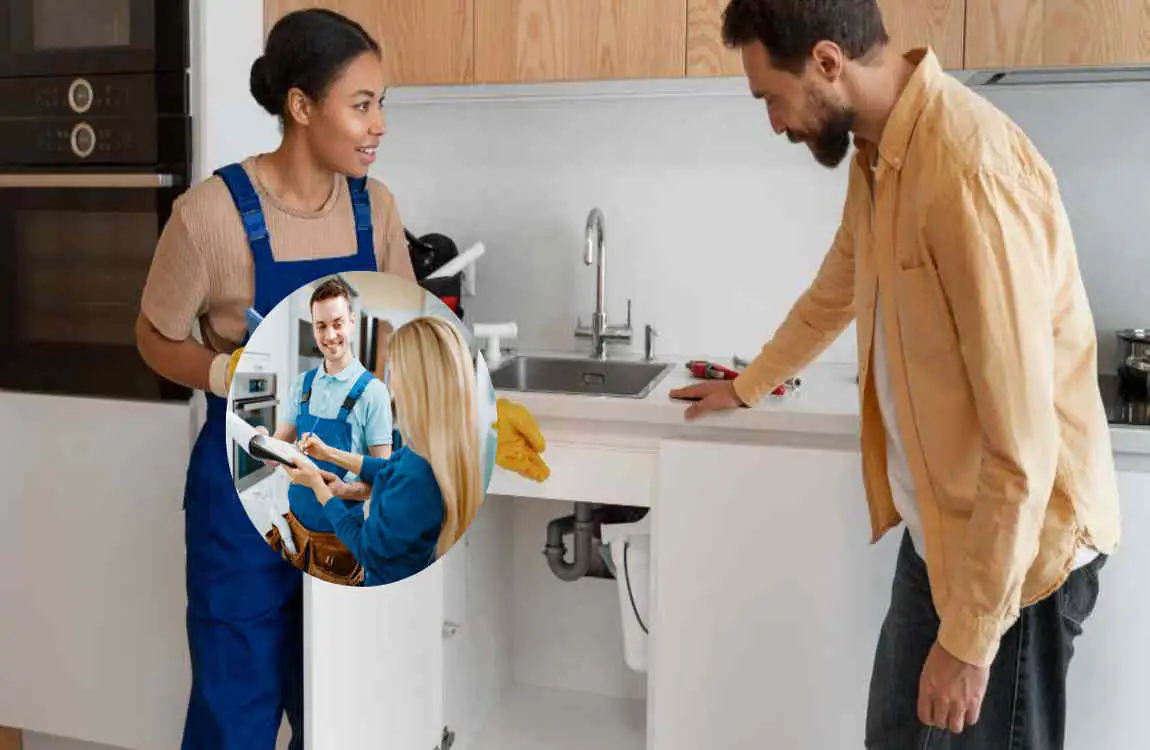
A tenant may potentially be responsible when a plumbing problem results from misuse, negligence, or avoidable damage.
One common example is a clogged toilet. Toilets are designed for normal waste and toilet paper, not for objects or materials that can block the drain. If inappropriate items cause a blockage, the tenant may be charged for the repair depending on the lease and applicable rules.
Damaged fixtures can create another issue. If a tenant accidentally breaks a faucet, toilet component, sink, or other plumbing fixture, the tenant may be responsible.
Failing to report a known problem can also complicate the situation. Imagine that a tenant notices a small leak under a sink but ignores it for several weeks. The leak could eventually damage cabinets, flooring, or walls. Depending on the circumstances, the tenant could be responsible for damage that resulted from failing to report the issue.
This does not mean every plumbing problem found during a tenancy is automatically the tenant’s fault. Evidence and circumstances matter.
Plumbing Repairs Usually Handled by Landlords
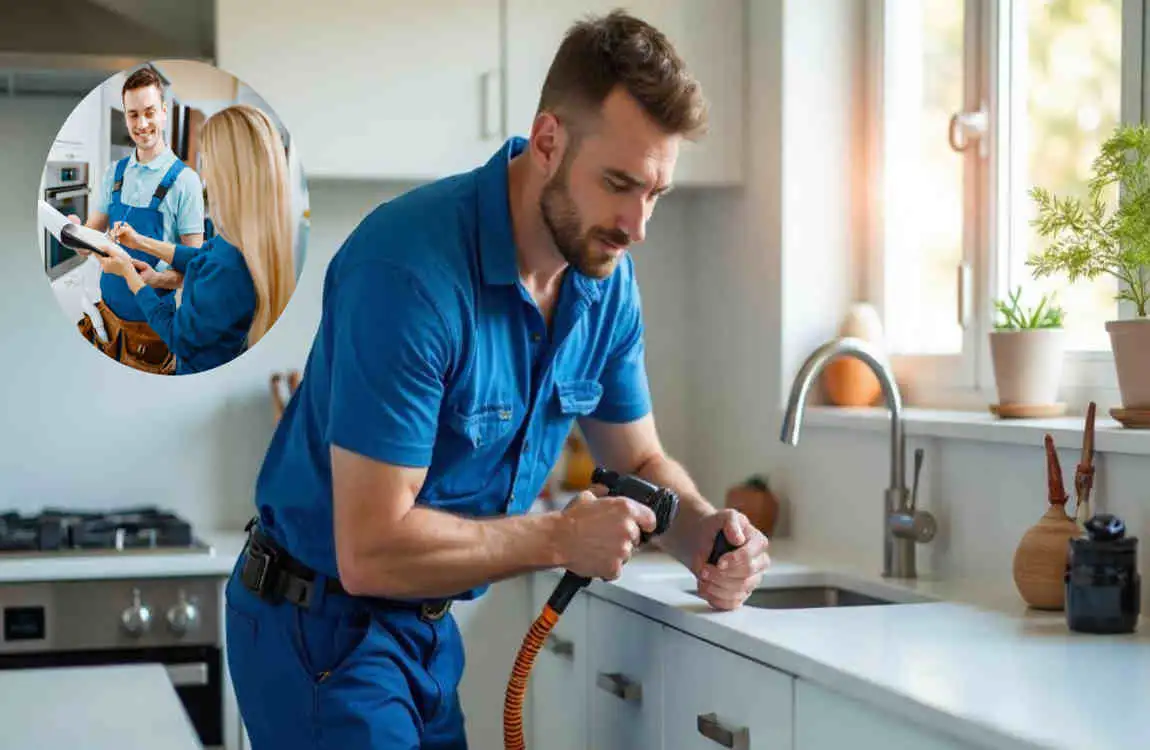
Landlords commonly handle major plumbing maintenance, particularly when a problem comes from normal deterioration, defective equipment, or the property’s existing plumbing system.
For example, an old water pipe can eventually corrode or develop a leak. A tenant may have done nothing wrong in such a situation. The repair may therefore fall under the landlord’s property-maintenance responsibilities, depending on local requirements and the lease.
Major plumbing concerns can include:
- Significant pipe leaks or burst pipes.
- Aging or damaged plumbing pipes.
- Serious sewer-line problems.
- Defective plumbing installations.
- Major water leaks and resulting property damage.
- Problems caused by ordinary deterioration.
Tenants should not assume they need to repair these problems themselves. Attempting a major plumbing repair without the right experience can make the situation worse.
Instead, contact the landlord, property manager, or emergency maintenance service as quickly as possible.
Quick communication matters most when water is actively leaking. Even a small delay can let water damage floors, walls, cabinets, or personal belongings.
How Tenants Can Prevent Plumbing Problems
Good plumbing habits can protect both the tenant and the property. You do not need to be a professional plumber to take basic preventive steps.
Start by being careful about what goes down your drains. Grease, unsuitable materials, and objects that do not belong in drains can cause blockages.
Using a sink strainer can also help catch food particles and other debris before they enter the drain.
Pay attention to small warning signs. A slow drain, dripping faucet, unusual water pressure, unpleasant sewer smell, or recurring toilet blockage may indicate a developing problem.
Tenants should also report problems instead of hiding them. Early reporting can prevent a minor plumbing issue from becoming expensive property damage.
If your rental provides access to an emergency water shutoff, learn where it is located. Knowing how to turn off the water can help during a serious leak, as long as you can do it safely.
Regularly checking your plumbing system is one of the simplest ways to reduce avoidable problems.
What to Do When a Plumbing Problem Happens
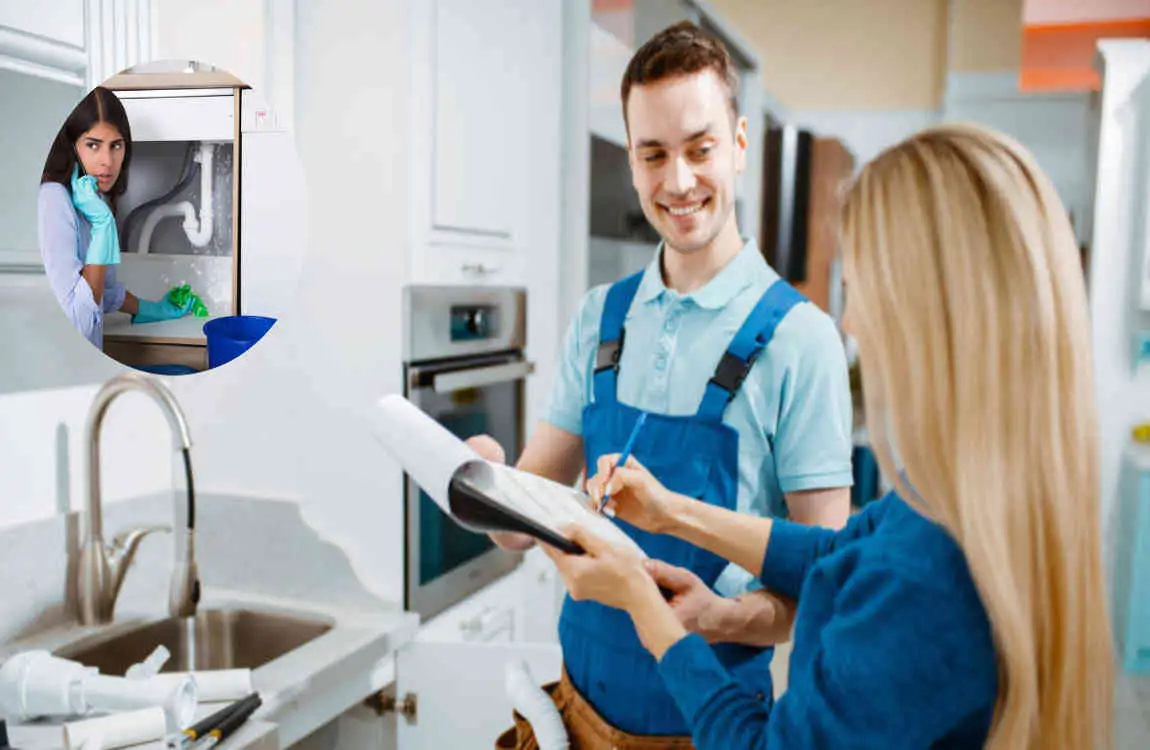
When you discover a plumbing problem, stay calm and take reasonable steps to prevent additional damage.
First, determine whether the situation is an emergency. A small dripping faucet differs from a burst pipe or a rapidly overflowing toilet.
If water is actively flowing and you can safely close an accessible shutoff, shutting off the water may help limit damage. Then contact the landlord or property manager immediately.
It is also useful to document the problem. Take photographs or videos when appropriate, particularly if there is visible water damage.
Follow the maintenance procedure described in your lease. Some rental agreements require tenants to call a particular maintenance number, submit an online request, or contact the property manager.
Keep records of important communication, including:
- Maintenance requests and messages.
- Photographs of the plumbing problem.
- Dates when the problem was reported.
- Information about repair visits.
Good records make it easier to establish when you discovered and reported a problem.
Most importantly, don’t automatically assume you are financially responsible for a plumbing problem just because it occurred while you were renting the property. Responsibility can depend on the cause, lease terms, and applicable local law.
Frequently Asked Questions
Are tenants responsible for home plumbing?
Tenants may be responsible for routine care, proper use, and damage they cause. Landlords often handle major repairs and problems related to normal wear and deterioration. The exact responsibility depends on the lease and applicable local law.
Who pays for a clogged drain in a rental home?
It depends on the cause of the clog and the rental agreement. A blockage caused by tenant misuse may potentially be charged to the tenant. In contrast, the landlord may handle a problem caused by an underlying plumbing defect.
Are tenants responsible for leaking pipes?
Not necessarily. Tenants should report leaking pipes promptly, but the landlord may be responsible for repairs when the leak results from ageing, deterioration, or a property-related plumbing defect.
What plumbing problems should tenants report immediately?
Tenants should promptly report burst pipes, major leaks, overflowing toilets, sewage problems, water damage, unusually low water pressure, and recurring plumbing failures.
Can a landlord charge a tenant for plumbing repairs?
A landlord may potentially charge a tenant when the tenant caused the damage or failed to take reasonable care, subject to the lease and applicable rental laws. A tenant is not necessarily responsible for repairs simply because the problem occurred during the tenancy.